|

The next piece of the puzzle
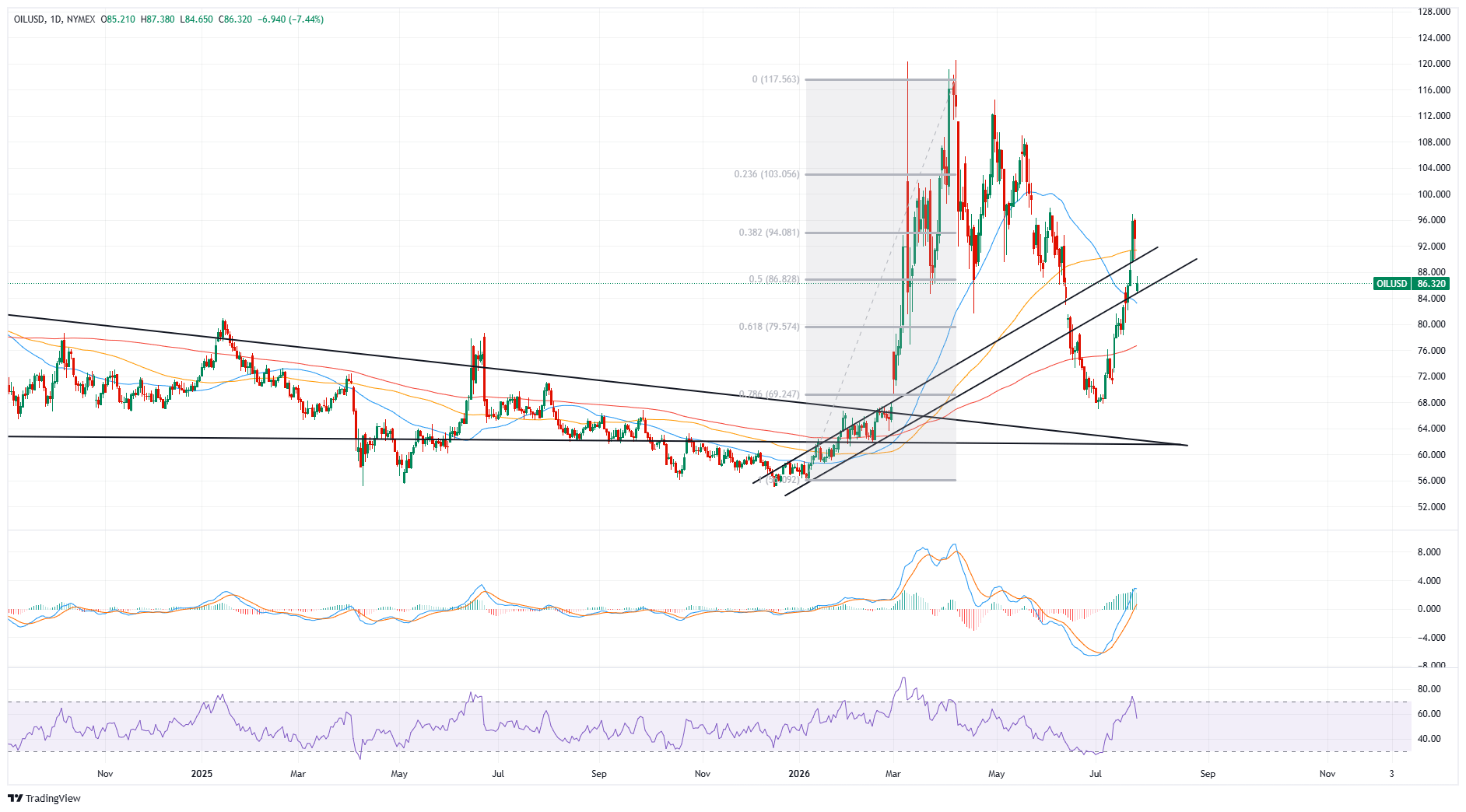
The week starts with a surprise development in the Middle East – or rather, the lack thereof. The US has halted its attacks on Iran since Friday without explaining why, and Iran has said it won't retaliate further. US crude kicked off the week with a more than 8% retreat, though it has pared a small part of those losses as traffic through the Strait of Hormuz remains near a standstill and Yemeni Houthis reportedly targeted Saudi Aramco's facilities.
Chart

The geopolitical situation remains highly uncertain and risks are still tilted to the upside for oil prices. But the calmer weekend and the pullback in energy prices this Monday are supporting bond demand in the early hours of the week. The Japanese 10-year yield is back below 2.80%, while the US 2-year yield, which reflects Federal Reserve (Fed) rate expectations, is down 5bp in Asia.

The Fed will meet this week and is expected to leave rates unchanged. Activity in Fed funds futures assigns around a two-thirds probability to that scenario. But because the Fed is changing its communication and guidance strategy under the new Chair, Kevin Warsh, a surprise 25bp hike this Wednesday wouldn't come as a huge surprise. The fact that the latest inflation figures came in softer than expected could encourage the Fed to kick the can down the road until September. But the fact that energy prices have been rising again, with no easy resolution in either the Middle East or Ukraine, suggests that the Fed will deliver that rate hike sooner rather than later. I still think September is the better time for action – the summer months tend to see thinner liquidity and amplified market reactions. But whatever the Fed does, the accompanying statement will likely remain cautious, hinting at multiple possible scenarios that will depend on macroeconomic and geopolitical developments, as well as incoming economic data.


Read the full article here.

Author

Ipek Ozkardeskaya

Ipek Ozkardeskaya began her financial career in 2010 in the structured products desk of the Swiss Banque Cantonale Vaudoise. She worked in HSBC Private Bank in Geneva in relation to high and ultra-high-net-worth clients.


More from Ipek Ozkardeskaya
Share:

Editor's Picks

GBP/USD stays firm near 1.3350 amid easing Mideast tensions

GBP/USD builds on Friday's modest bounce from a three-week low and gains strong follow-through positive traction at the start of a new week on Monday. This marks the second straight day of gains, with the major trading near 1.3350 in European trading amid a pause in the Middle East conflict and a broadly weaker US Dollar. Traders brace for the Fed and BoE policy announcements later in the week.

EUR/USD holds gains near 1.1400 as USD slips on Iran diplomacy hopes

EUR/USD holds sizeable gains near the 1.1400 mark in the European session on Monday. The intraday strength is sponsored by a broadly weaker US Dollar, weighed down by renewed optimism over a diplomatic resolution to end a five-month-old US-Iran war.

Gold stands firm on US-Iran diplomacy hopes, reduced Fed hike bets; bulls lack conviction
Gold (XAU/USD) continues with its struggle to capitalize on a modest gap-up opening beyond the $4,100 mark through the early European session on Monday as bulls seem hesitant ahead of the crucial FOMC meeting this week. Heading into the key central bank event, reviving hopes for a diplomatic resolution to end a five-month-old US-Iran war led to a steep fall in crude oil prices.
Cardano: Under pressure as bearish derivatives cap recovery

Cardano remains under pressure, trading lower at $0.165 on Monday after mild losses in the previous week. Weakening derivatives metrics and subdued momentum indicators suggest that ADA's upside move remains limited, keeping downside risks in focus. Derivatives data for Cardano shows bearish sentiment among traders.

Australian Dollar outlook: Chances of another rally won’t be decided in Canberra, but in Washington

The Australian Dollar rode a rollercoaster in the first half of the year, hitting a four-year high and then correcting. The currency enters the second half with an outlook full of uncertainty due to renewed hostilities in the Middle East, which clouds the inflation outlook and interest rates.

US Dollar mid-year outlook: Exceptional currency, exceptional risks?
The US Dollar enters the second half of 2026 in a markedly different position from a year ago. The King currency has recovered, reflecting persistent US inflation, changing expectations for Fed policy, geopolitical tensions and renewed demand for defensive assets.