Thanks for your service, Mr. Chair Powell
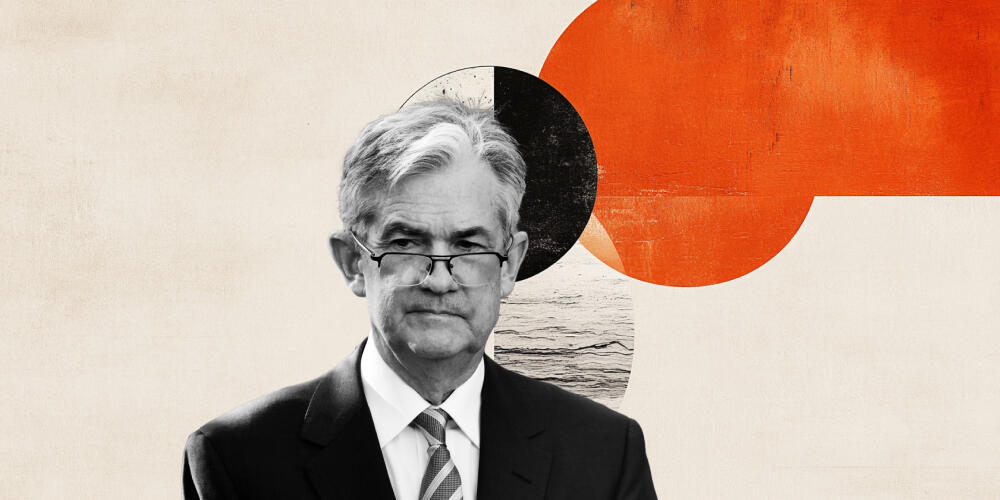
Powell’s departure is probably the most troublesome end of a Federal Reserve (Fed) Chair, despite being the most resolute leader a central bank could have. Indeed, Powell could be labeled as conservative. You may love him or hate him, but what is not under discussion is his professionalism: he had a task, and he did it with excellence.
Jerome “Jay” Powell has just led his last Federal Open Market Committee (FOMC) monetary policy decision. His term as Chairman of the most powerful central bank ends mid-May, and Kevin Warsh is expected to replace him.
Jerome Powell has dealt with some tough realities in the US economy. Maybe the most notorious one was the Coronavirus pandemic and its widespread consequences. The unprecedented situation led to some tough decisions that indeed took their toll on the American economy. But that’s something we can see now: at the time being, uncertainty was too high for any governmental institution to take the “right” decision.
As for the Fed, Powell implemented massive stimulus, aiming for a soft landing rather than a recession. He succeeded on that. Dealing with inflation in the aftermath of the pandemic did not go that well. Powell asked for “patience,” over-stretching the decision to finally take action and hike interest rates.
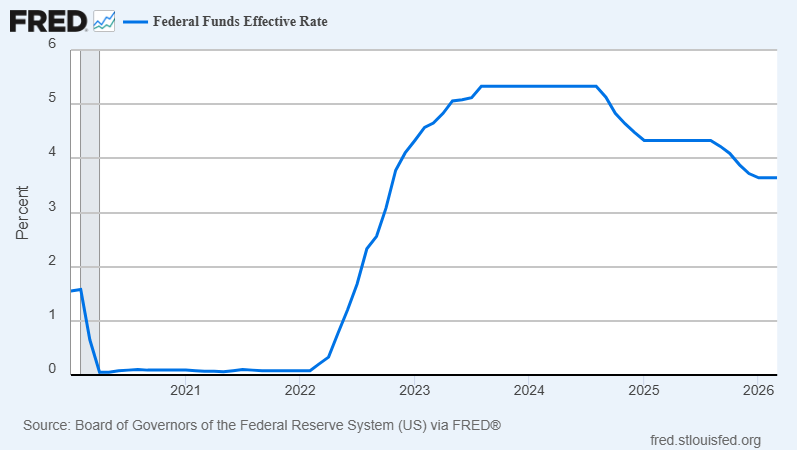
Reducing the Fed’s monstrous Balance Sheet was another task Powell led with dignity.
Powell also succeeded in defending the Fed’s independence to his last breath, fighting political pressure to maintain the focus on the central bank’s mandate: maximum employment and price stability.
And while leading the Fed, Powell sacrificed any chance of getting a political future in favor of achieving what he was asked to. That’s not something we could say about the majority of central banks’ leaders.
What happened between Trump and Powell?
Funny enough, Powell was sworn in as Fed Chair in February 2018 after being nominated by United States President Donald Trump in his first term at the White House. “I am confident that Jay has the wisdom and leadership to guide our economy through any challenges,” President Trump said when announcing Powell’s nomination, adding he commanded the respect of both parties and urged swift Senate confirmation.
However, the love faded. Ever since taking office for his second term, President Trump has demanded that the Fed lower interest rates, calling Powell incompetent, among other things. Lower borrowing costs would help reduce the US government's massive borrowing costs while helping households to get cheaper loans and mortgages.
As the gentleman he is, Powell refused to act other than based on macroeconomic data, strictly following the Fed’s mandate. That led not only to insults but also to varying levels of threats from Trump, including launching a criminal investigation into Powell over cost overruns related to the renovation of the Fed’s Washington headquarters.
Powell does not chicken out
Not only did Powell clearly acknowledge that the investigation was yet another tool to put pressure on him to cut interest rates. He also declared that he will remain in the Fed as governor as long as the investigation remains open. The Department of Justice (DoJ) dropped the criminal investigation, but the Fed’s Office of the Inspector General (OIG) is conducting an internal review of the matter.
President Trump added one more threat and said he would fire him.
Prior to becoming Chair, Powell was appointed to the Federal Reserve Board in 2012. Given that Fed members are nominated and confirmed for 14-year terms, Powell can remain as governor until 2028, once his Chair term ends.
Yet again, Powell does not chicken out. In his final press conference as Fed Chair, he reiterated, “I will continue to serve as a governor for a period of time to be determined,” adding that he plans to keep a low profile as governor. But also that he's staying because of the administration's actions, leaving him no other choice.
A true gentleman takes accountability. And that’s what Powell is doing, until the very end.
Author

Valeria Bednarik
FXStreet
Valeria Bednarik was born and lives in Buenos Aires, Argentina. Her passion for math and numbers pushed her into studying economics in her younger years.

















