Sterling is the star currency of the week
- Sterling soars on positive economic performance, Brexit agreement and Bank of England
- Euro sinking in response to poor economic data
- The US Dollar bears the brunt of a bearish Trump
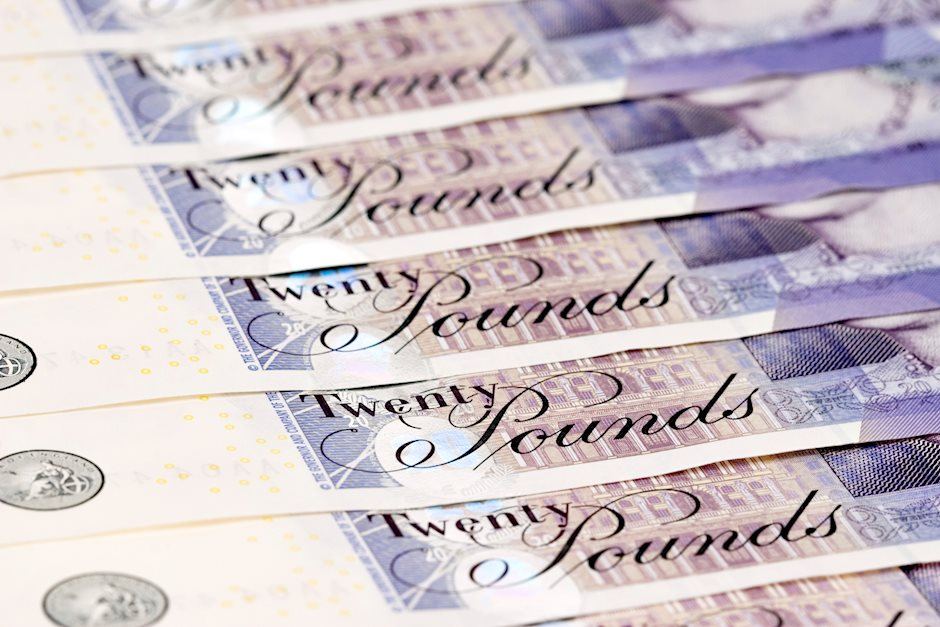

Sterling soars on positive economic performance , Brexit agreement and Bank of England
UK retail sales data was a marked improvement on the previous month’s disappointment. Combined with an agreement on a Brexit transition and the Bank of England’s more aggressive hints of an interest rate increase in May, this means a much stronger Pound and happier investors. There has been a spate of buying Sterling in this current scenario, so it’s a good time to make any exchanges from the Pound into Euros and US Dollars right now.
Euro sinking in response to poor economic data
Confidence in European business has dropped to a near-one-year low, as manufacturing and industry data from the EU’s major producers, such as Germany, falls short of expectations. With Eurozone Purchasing Managers’ Indices (PMI) showing slower results for two months in a row and political uncertainty across Germany, Italy and other areas of Europe, the Eurozone has a lot on its plate. Add in the trade tensions being felt worldwide, and it’s a more gloomy picture than the Eurozone has seen for some time. Brexit discussions continue; and while significant progress is being made, any Brexit commentary from either side has the ability to knock the European and British currencies for six.
For now, at least, the Euro is losing out to its close companion, the British Pound, in a reversal of fortunes that many will welcome – although not the UK’s exporters, who have been flying high on a weaker Pound.
The US Dollar bears the brunt of a bearish Trump
Trade fears across the globe are weakening the US Dollar, as the trading tensions between the USA and China escalate. Even the Federal Reserve raising interest rates didn’t help the USD – or global share prices – as China retaliated in response to Trump’s $50 billion of trade tariffs and war on intellectual property theft. While China’s response was muted in comparison, the situation has set markets and investors on edge.
Also this week, Middle East tensions pushed up oil prices – a further factor that weakened the US Dollar. Gross Domestic Product (GDP) estimates for the US were also downgraded, painting a fairly flat picture for the US economy and its currency.
A stronger Canadian Dollar?
Nearby, the Canadian Dollar fared much better on the release of Canadian retail and inflation data, which showed inflation rose above Canada’s 2% target, hitting 2.2% annually. Retail sales increased from their previous lows, but remain around market expectations, which is currently below where they would like to be.
Antipodean central bank activities help boost the Pound
Other central banks who were busy this week include the Reserve Bank of Australia (RBA) and Reserve Bank of New Zealand (RBNZ). The Australian Dollar fell to its lowest exchange rate with the Pound since before the Brexit vote earlier this week, offering a surprise boost for anyone in the UK wanting to make AUD currency transfers.
The Reserve Bank of New Zealand has not said anything ground breaking in terms of monetary policy, but is being watched closely for any hints that could move the currency markets, particularly as the current low interest rates appeal to investors, but discourage NZ exporters.
What to watch out for next week
In the run up to the Easter Bank Holidays in the UK next week, there’s still plenty of news ahead that could knock the currency markets.
Some key economic data is due from Australia, New Zealand and Japan, including business and consumer confidence, as well as commodities updates, so Asian markets will be worth a close watch. There is also the potential to affect the other commodity currencies, the US and Canadian Dollars, in light of oil pricing and export/import relationships.
Consumer confidence data from the US will be interesting in light of the US currency’s current weakness and considerable political activity, alongside the US Gross Domestic Product figures, which could make or break the US Dollar.
The UK expects high street lending figures, while the EU has a series of important importing and consumer data releases coming out. How will the ailing Euro fare?
Commentary from the Halo Financial Team. Need a trusted FX broker? Register today for more insights and strategies.
Author
Halo Financial Team
Halo Financial

















