Should US interest rates be even higher? This rule says yes
A simple rule suggests US interest rates should be higher than they are today. Yet the Federal Reserve is standing still. That gap between theory and reality is becoming one of the more interesting tensions in global markets and one that could shape the next move in the US Dollar.
The Taylor Rule: Built for moments like this
The Taylor Rule is one of the most widely known guides to monetary policy. At its core, it is straightforward:
When inflation runs above target and the economy is strong, interest rates should be higher. When inflation is low and growth weakens, rates should fall.
It offers a clean, intuitive benchmark for where policy should be, based on the state of the economy.
What the rule tells us about current policy
By most standard inputs, the message is clear.
Inflation in the United States (US) remains above the Fed’s 2% target, while growth and the labour market continue to show resilience. That combination typically points to a policy rate that is higher than current levels of 3.50%-3.75%.
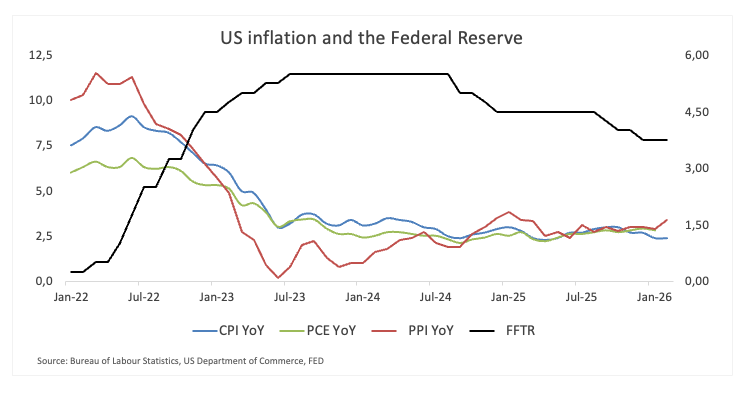
In other words, the rule is not calling for patience. It is calling for restraint to be maintained, or even tightened further.
So, why is the Fed not moving?
This is where things start to get a bit more nuanced.
The Fed is not ignoring the data, far from it, but it is clearly putting more weight on uncertainty. That said, Fed officials are mindful of the lagged effects of past tightening, the potential drag from global risks, and the still evolving impact of trade tensions and geopolitics.
There is also a growing sense that rigidly sticking to a rule does not quite fit the current environment. Shocks are less predictable, and the way they feed through the economy is more complex than in the past.
So, in a way, the Fed is choosing flexibility over formula.
FX implications: The Dollar sits in the middle
For FX markets, this gap really matters.
If the Fed were following something like the Taylor Rule more closely, the message would be straightforward: higher rates, wider differentials, and a stronger US Dollar.
But that is not quite what is happening. By holding back, the Fed creates a more balanced setup. The Dollar still finds support from relatively high yields, but that support is not unlimited, as markets continue to question how far policy will actually go.
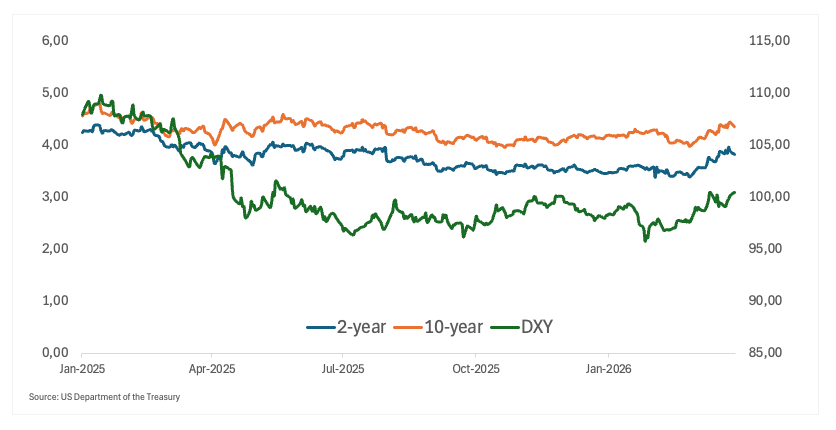
In other words, the Dollar is no longer trading off just models; it is trading off how willing the Fed is to deviate from them.
What to watch next
The key question now is whether the gap between the rule and the current Fed stance starts to close or widens.
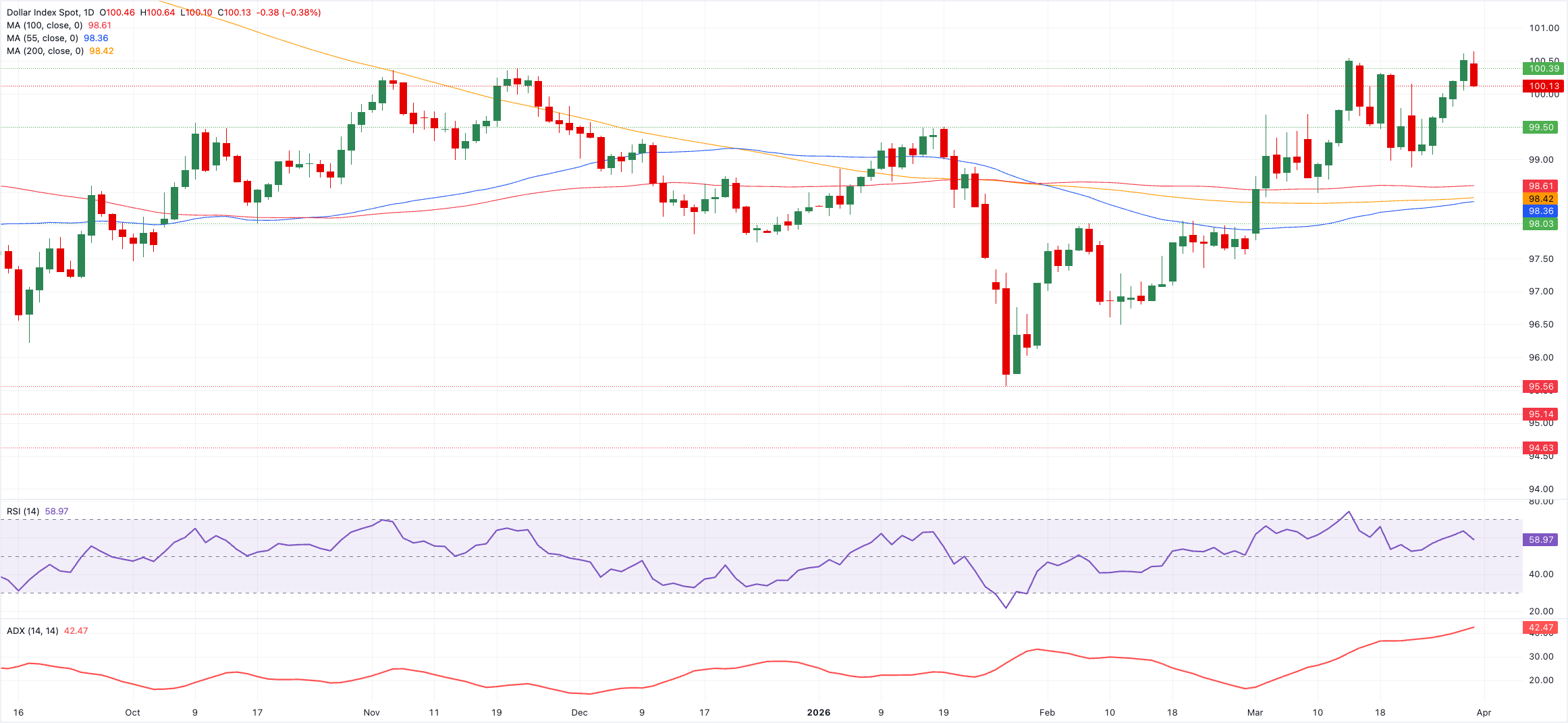
If inflation picks up again or activity remains strong, expectations could shift back towards a more rule-based outcome, which would likely support the Dollar.
On the flip side, if growth starts to cool or inflation shows clearer signs of easing, that would validate the Fed’s cautious approach and could put a lid on further USD upside.
Bottom line
The Taylor Rule still offers a useful lens, but it is no longer a roadmap.
Right now, the real story is not where the rule points but why the Fed is choosing not to follow it, and that tension is likely to remain a key driver for the US Dollar in the weeks ahead.
Author

Pablo Piovano
FXStreet
Born and bred in Argentina, Pablo has been carrying on with his passion for FX markets and trading since his first college years.

















