RBNZ holds OCR steady. Dual mandate expected to be introduced
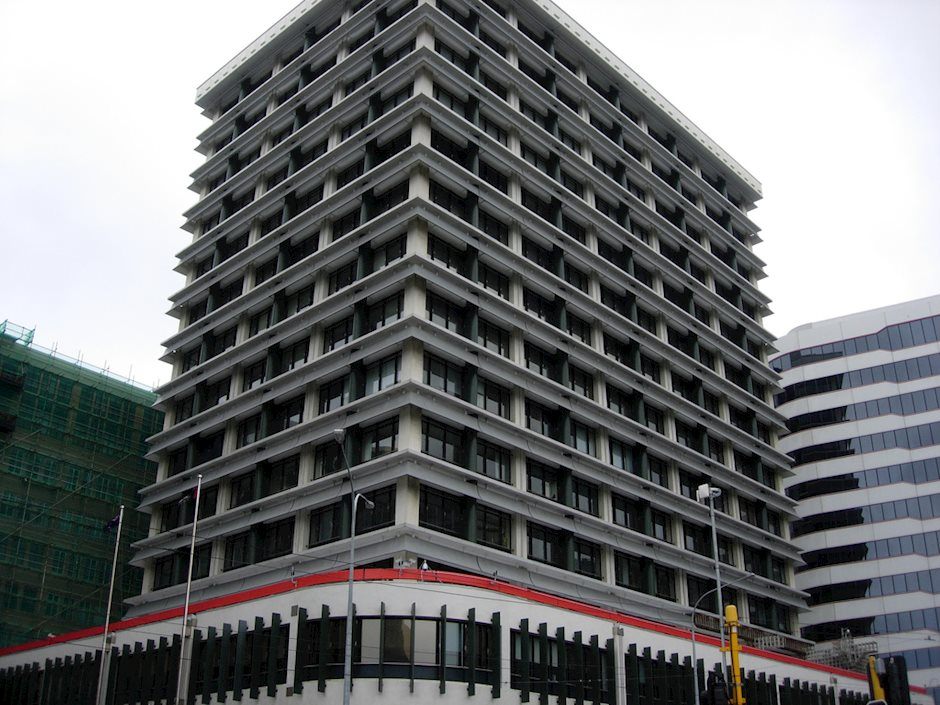

The Reserve Bank of New Zealand's monetary policy meeting released last week showed at the central bank kept the overnight cash rate unchanged at 1.75% as widely expected. Although there were expectations for the central bank to maintain a dovish outlook, it was widely regarded as neutral.
The central bank's decision to leave monetary policy unchanged comes ahead of potential changes to the RBNZ's mandate. The newly formed labor government proposed the idea to also include full employment. This would bring about the dual mandate for the RBNZ similar to that of the central banks among the G7 economies.
While keeping the forward guidance steady, the RBNZ's monetary policy statement kept its wording from the previous statement. "Monetary policy will remain accommodative for a considerable period. Numerous uncertainties remain, and policy may need to adjust accordingly," the central bank's statement showed.
On the positive side, the central bank said that inflationary pressured remained low. However, it projected that the economy's gross domestic product would settle around 2% annual growth rate.
The central bank was optimistic for the year ahead. It argued that the impact of weaker housing prices and construction activity was offset by low interest rates. The optimistic view also gained support by the new government initiatives to stoke growth.
For 2018, the RBNZ expects GDP to average around 3.6% on an annual basis although various economists predict that growth could average just 2.5% next year. This is slightly higher than the forecasts of 2% GDP growth this year.
RBNZ's terms of reference
Last week also saw the finance ministry under the new government issuing the terms of reference. The ministry explained how the review of the central bank would proceed.
According to the initial reports, a two-phase review has been planned. The first part was similar to the manifesto released by the Labor party. The RBNZ is mostly likely to be given an additional mandate of employment.
It also proposes that a new committee would be introduced to make monetary policy decisions which put it on par with other central banks such as the ECB's governing council, the MPC from the Bank of England the Fed's FOMC.
Uncertainties still remain about further changes to the central banks although the ministry ruled out further changes to its terms of reference.
The phase two of the terms of reference was void of many details. However, the state Treasury and the RBNZ are expected to prepare a list of functions that could also include macro-prudential policy matters.
Contrary to the campaign trail talk about the preference for the central bank to intervene in the currency markets, there was no mention of this. It helped to improve the sentiment in the New Zealand dollar as a result.
The Kiwi dollar was hit since the September elections in New Zealand saw the conservative alliance of the Labor party and the Populist Party, NZ First forming a government. Investors sold off the New Zealand dollar following the strong rhetoric from the parties which included curbing migration and preference for a weaker exchange rate.
The RBNZ is currently headed by Grant Spencer who is the acting governor. Spencer stepped up following the end of the former RBNZ Governor Wheeler’s five year term in September. Spencer is expected to remain the acting governor for a period of six-months.
Following the conclusion of the RBNZ's meeting, the OIS markets were little changed. The central bank is not expected to hike rates next year although the markets expect to see the RBNZ move on rate hikes by 2019. The lack of any references towards stronger currency intervention also helped to soothe investor concerns.
The kiwi dollar managed to bounce on the back of the data, although the overall sentiment in NZDUSD remains biased to the downside.
Author
Orbex Team
Orbex

















