|

No junk debt is too risky: Thank you fed

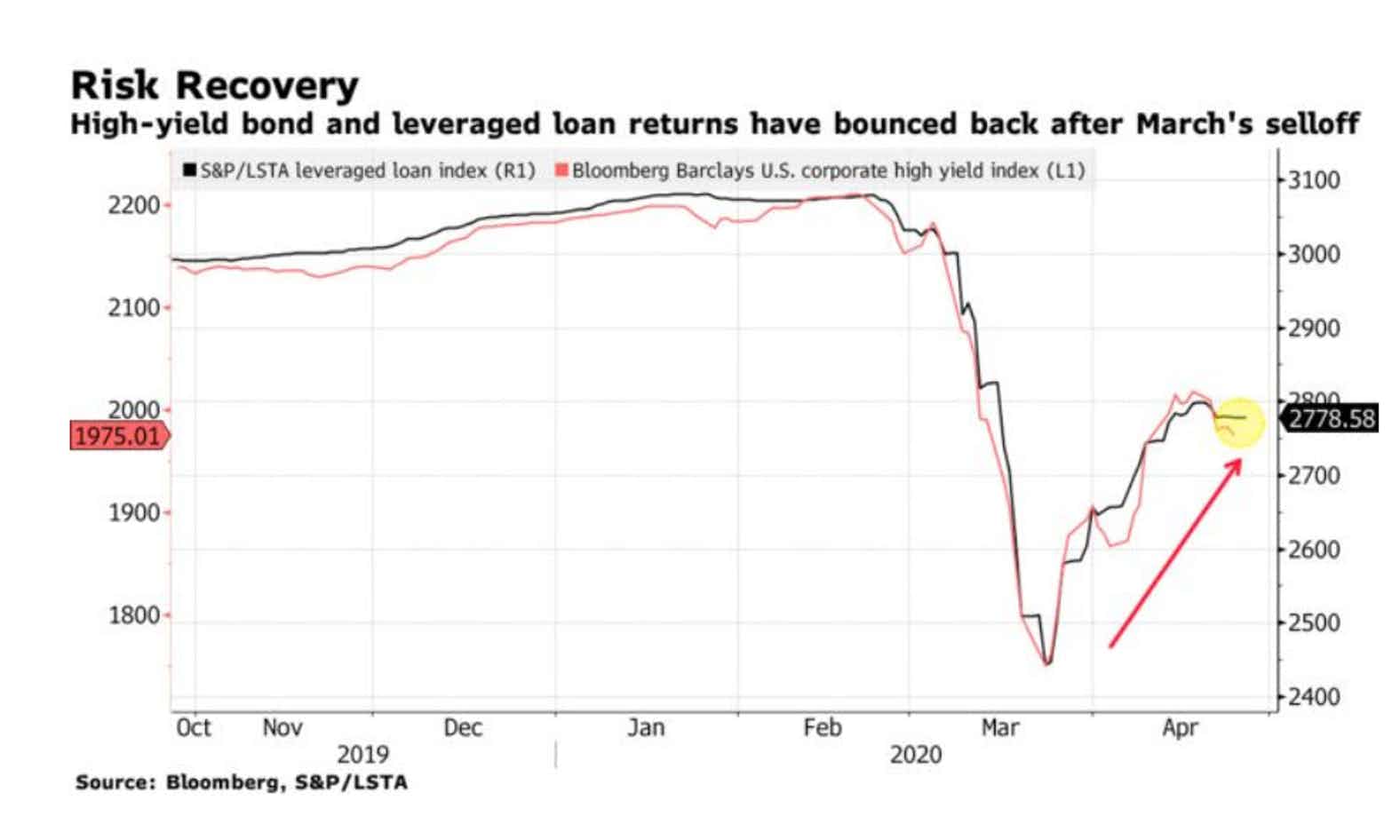
The Fed hasn’t even started buying corporate bonds. Yet the mere perception of Fed backing helps risky firms borrow anew. Please consider How Fed’s Bailout Changed Everything.

This was no secret on Wall Street. Surgery Partners’s majority owner, the buyout firm Bain Capital, had loaded so much debt onto the company’s books that when it went to the market last year to refinance maturing bonds, investors demanded a 10% interest rate to compensate them for the risk. The debt was rated CCC -- eight levels below investment grade.

So by late March, with the economic effects of the outbreak in full force, frantic investors braced for default, pushing the price of those bonds below 55 cents on the dollar.

But then the Federal Reserve did something it had never done before. It pledged to buy risky corporate debt as part of its emergency financing package for the economy. The move was so aggressive and sparked a rally that was so powerful and broad-based that today those bonds are all the way back up near par value, and Surgery Partners was able to raise another $120 million from loan investors earlier this month.

Moral Hazard 

This is yet another example of Fed-sponsored moral hazards. 

The Fed encourages extremely risky behavior then bails out the risk takers.

Carnival Deemed Too Big to Fail, Rescued by the Fed

As noted in Carnival Deemed Too Big to Fail, Rescued by the Fed, What constitutes "too big to fail" keeps getting smaller and smaller. 

Third Major Transfer From the Middle Class to the Wealthy

Meanwhile, this moral hazard bailout is the Third Major Transfer From the Middle Class to the Wealthy in 20 years.

50% of the US Says Their Financial Situation is Getting Worse
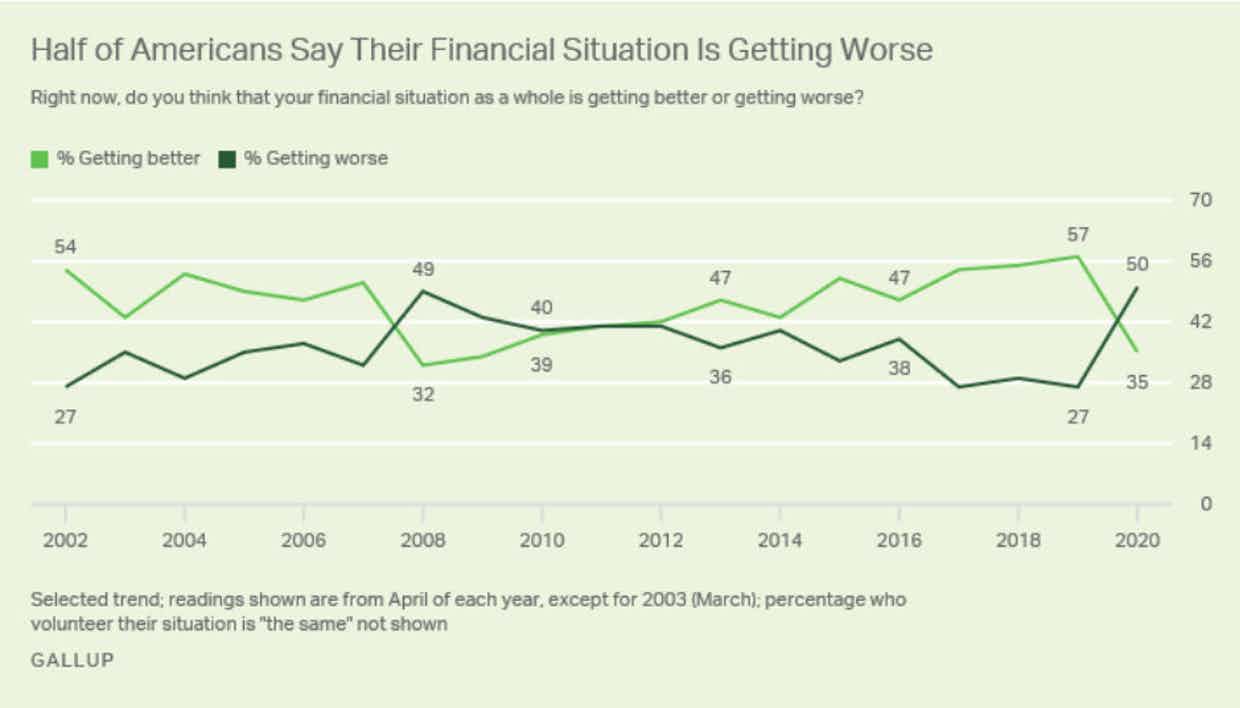
That 50% of the US Says Their Financial Situation is Getting Worse is shocking in only one sense. Why is the number so low? 

Millennials finally caught an upswing. And for the second time in 12 years had the rug yanked from under them.

The boomers, those with assets and not in the poor house, get bailed out by the Fed again. 

Thank You Fed

Mish

Author

Mike “Mish” Shedlock's

Mike “Mish” Shedlock's

Sitka Pacific Capital Management,Llc

Mike “Mish” Shedlock is a registered investment advisor for SitkaPacific Capital Management.

More from Mike “Mish” Shedlock's
Share:

Editor's Picks

AUD/USD extends decline to fresh monthly lows below 0.7100

AUD/USD trades south of 0.7100 early in the Asian session on Thursday, as the US Dollar soared following the Federal Reserve's monetary policy announcement. The Fed delivered a 25 bps rate hike as expected, while policymakers expressed concerns about inflation leading to bets of additional hikes before year-end.

USD/JPY flirts with 156.00 after Fed's hawkish hike

USD/JPY trades at fresh weekly highs around 156.00 early on Thursday, as the US Dollar soared following the Federal Reserve's monetary policy announcement. The US central bank hiked the benchmark rate by 25 bps as expected, while Chair Kevin Warsh delivered quite hawkish comments in the press conference that followed the decision.

Gold dips towards $4,250 in the Fed's aftermath

Gold erased intraday gains and turned negative following the Federal Reserve's decision to hike rates by 25 bps as expected. The XAU/USD pair briefly surpassed the $4,360 level, now accelerating its slide towards the $4,250 price zone. Hawkish words from Chair Kevin Warsh fueled bets for additional hikes before year-end.

Fed raises 2026 interest rate forecast to 4.1%, lifts PCE inflation projections
The Federal Reserve's (Fed) latest dot plot projections, released by the Federal Open Market Committee (FOMC) on Wednesday, show policymakers now expect interest rates to stand at 4.1% by the end of 2026, up from 3.8% in June.
Fed recap: One hike down, more to come? The Fed’s new rate path says yes
The Federal Reserve (Fed) raised its Fed Fund Target Range (FFTR) range by 25 basis points to 3.75%-4.00% in a unanimous decision, saying the move would support a timelier return to its 2% inflation goal.
How Japan became the World's Banker and why that era may be ending

Japan's ultra-low interest rates helped finance trillions of dollars in global investments for more than a decade, making the Japanese Yen one of the world’s cheapest sources of funding. With the Bank of Japan expected to tighten policy again this week, that advantage may be entering a new phase. While most major economies raised interest rates, Japan remained the world's outlier.















