Markets in meltdown: China retaliates, US free-falls, and no one’s coming to save you
Markets
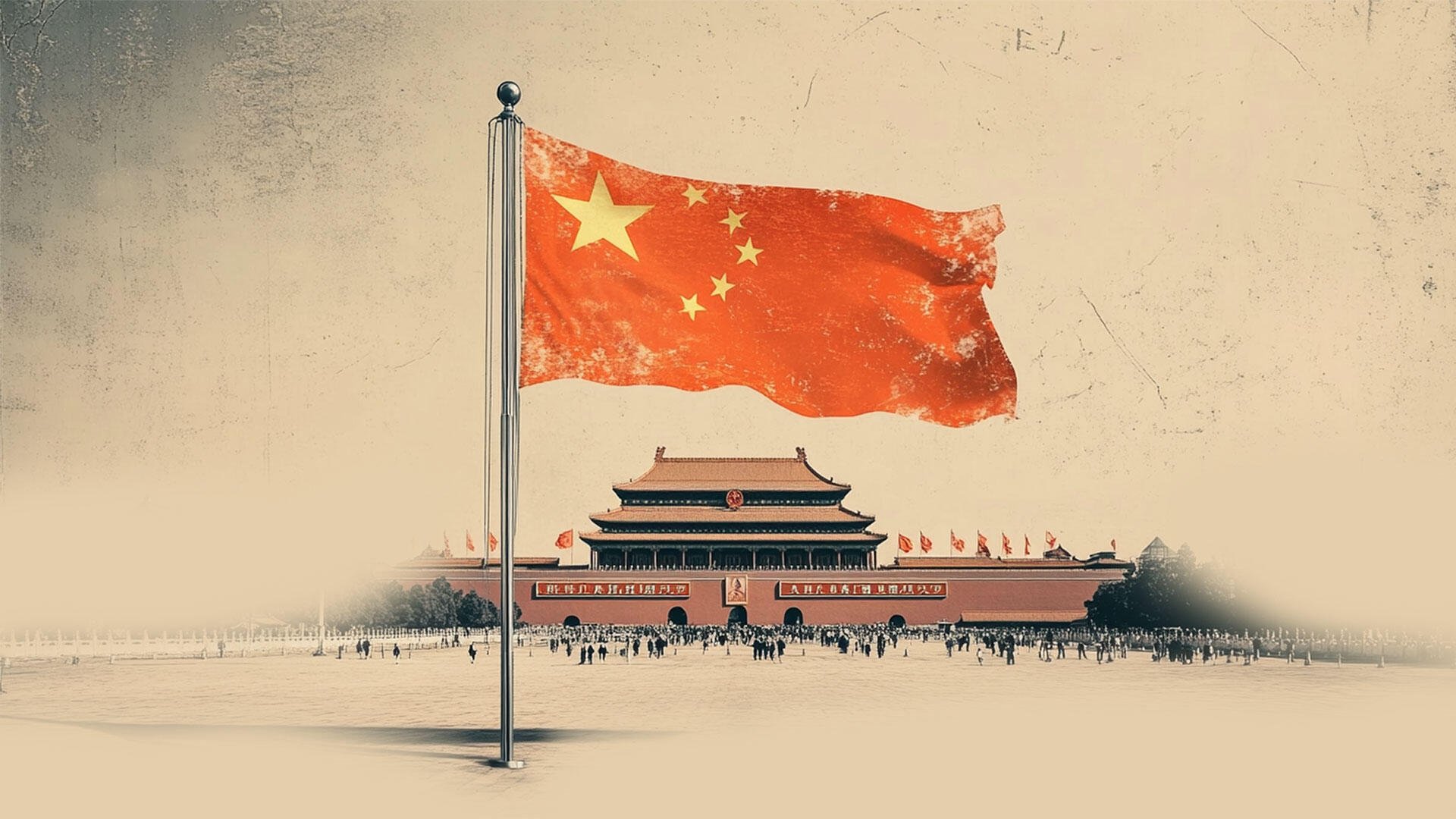
It’s already getting unhinged out here, and the Asia Open hasn’t even fully digested the damage. With China’s retaliation locked in at 34% tariffs across the board, and Beijing layering in rare earth export controls plus media channels doubling down with “fight till the end” rhetoric, it’s clear we’re not in the tit-for-tat stage anymore — this is blunt-force economic warfare.
The U.S.-listed China ADR index collapsed 8.9% on Friday — the worst drop since October 2022 — and the local equity tape hasn’t even priced in the fallout. Traders are bracing for a high-volatility session that could crack the Hang Seng China Enterprises Index into full-blown bear market territory by midweek. If the “ National Team” doesn’t step in to buy the dip, the dominos could fall fast.
And let’s talk about the yuan — already slipping to its weakest level since February. There’s growing chatter that Beijing may tolerate a deeper depreciation to absorb the tariff shock. If that plays out, it opens the door to a new leg higher in FX volatility, reprices AsiaFX, and risks triggering outflows that rattle broader EM.
In pre-Asia open trade U.S., stock-index futures are getting smoked. S&P 500 futures down nearly 4%, Nasdaq 100 futures off 4.6%. That’s not just thin Sunday night price action — this is the real deal. The market is in free-fall mode again, punching through floors, looking for anyone to step in with a “policy put”. But so far, nothing, if not the exact opposite.
Trump’s team isn’t blinking. The tariffs are being treated as a victory lap, not a bargaining chip. Over the weekend, Treasury Secretary Bessent poured gasoline on the fire, declaring, “our trading partners have taken advantage of us” — offering zero reassurance to markets. It’s clear Washington is using market pain as leverage, not a signal to pivot.
Meanwhile, Powell’s hands are tied. He’s acknowledged the obvious — that tariffs are inflationary and recessionary — but he’s not signalling a rescue. And that’s the problem. This time, the Fed’s inflation mandate is forcing it to keep the safety net rolled up while asset prices get torched. No Fed put, no policy pivot, just carnage.
The commodities screen didn’t offer any safe haven either. WTI just broke below $60 — effectively under breakeven for many U.S. shale producers — and copper, the macro bellwether, dumped over 5%. The market’s telling you in plain language: global demand is vanishing, and a global recession is in the cards and coming on fast.
From a flow perspective, Friday saw one of the biggest active net de-risking days since 2010. Morgan Stanley says long-short equity funds account for 80% of the sales. CTA models are dumping risk on every momentum trigger, and margin clerks are clearing the decks. There’s no cavalry on the horizon — not from the Fed, not from Congress, and certainly not from the White House.
At this point, this isn’t just a trade dispute — it’s a systemic repricing of the global economic order. The rules the U.S. spent 75 years building are being unravelled in real time. The tariffs are effectively a massive backdoor tax hike, and unless that’s matched with some fiscal offset — retroactive tax cuts, targeted consumer relief — the spiral gets worse. The administration says it’s “holding course,” but markets don’t wait politely for policy to catch up.
The reality is setting in now — this will bleed into household budgets, portfolios, hiring decisions, and capital flows. It’s no longer an abstract macro debate. It’s a rolling, real-world financial shock. Traders should assume more pain is coming until there’s a clear off-ramp — a pause, a pivot, or a coordinated backstop.
No asset class is safe right now. This is a liquidity-driven shakeout, and it’s feeding on itself. The only thing worse than a market searching for a bottom is one doing it with no policy lifeline in sight.
The view
From where I sit, if last week was just the opening act, then the main show could be an absolute bloodbath.
The damage we saw wasn’t just a bad week — it was historic. $5.4 trillion in S&P market cap gone in two sessions. That kind of selling isn’t routine — it belongs in the same breath as the ‘87 crash, the GFC, and the Covid meltdown. And what really gets me is that this is happening before the full blowback from tariffs, retaliation, and policy paralysis even hits the data.
Valuations are being mechanically compressed in real time. High-multiple names — especially in tech — are getting repriced hard as forward earnings get slashed and the street finally comes to terms with slower growth and rising costs. I’m watching credit spreads blow wider by the hour — junk's leading the charge, and that’s always a bad omen. When the riskiest debt starts screaming, you listen. That’s not just noise — that’s default risk creeping into the system.
This wasn’t a “buy the dip” setup. This was a get-out-of-the-building-before-it-collapses moment. And with no Fed pivot, no fiscal offset, and the White House digging in on economic warfare, I can’t help but feel this was just act one of a much bigger market repricing.
To me, this is the start of a broader regime shift. Not a blip. Not a tantrum. A full-blown rethink of what risk assets are worth in a world where policymakers have chosen chaos over clarity.
Author

Stephen Innes
SPI Asset Management
With more than 25 years of experience, Stephen has a deep-seated knowledge of G10 and Asian currency markets as well as precious metal and oil markets.