Is the recent S&P 500 rally sustainable?
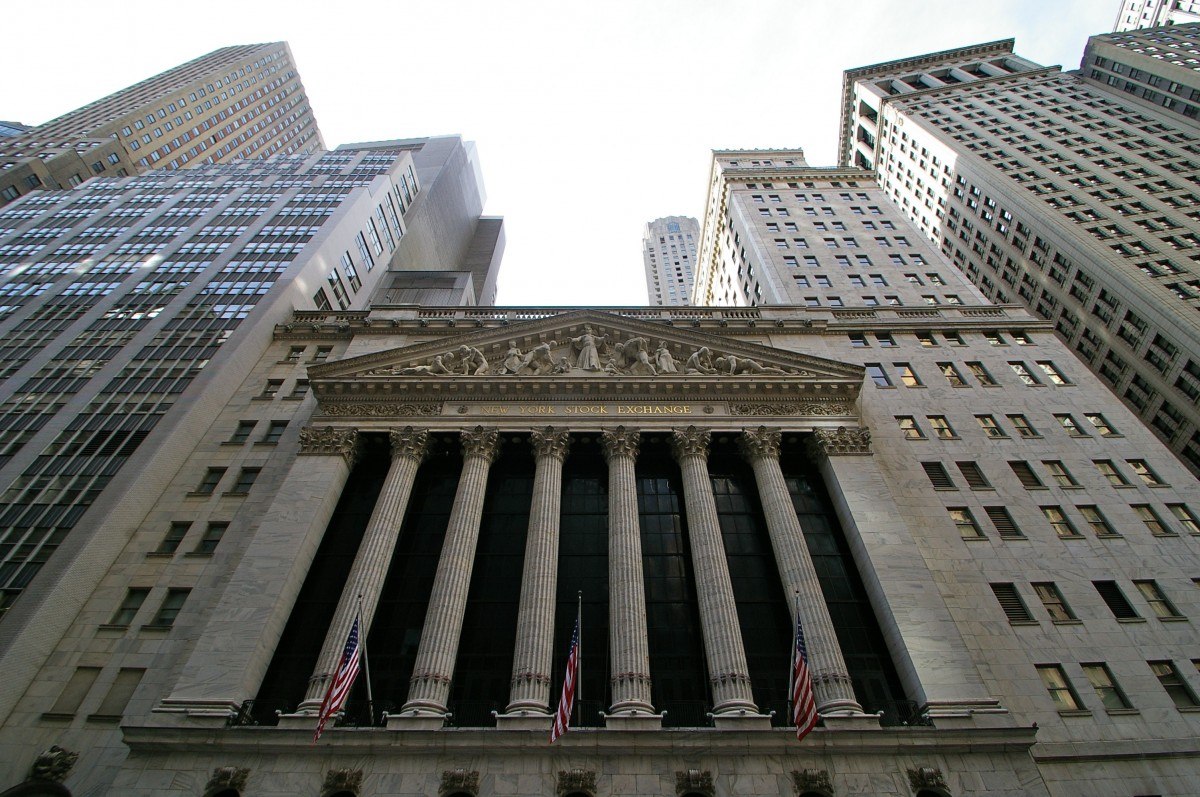
Stock investors are all asking the same question... can we trust the recent rally? The market just rallied +5.7% in two trading days. Bulls argue that the rebound could push even higher as the start of Q3 earnings season starts up next week and estimates have been taken low enough that many companies will again beat expectations.
At the same time, the Fed doesn't meet again until early November so the headlines might shift more towards corporate earnings being better than expected.
US employment
We also just had one of the first big signs that US employment might be starting to ease. Yesterday's JOLTs report showed US nonfarm job openings fell about -10% from July to August, from 11.17 million down to 10.05 million.
One of the biggest monthly pullbacks we've seen in years. For reference, job openings peaked in March of this year at around 11.85 million and have been slowly falling. There were +4 million more job openings than unemployed workers in August vs. 5.9 million in March.
Bulls want to believe the signs of a slowing economy mark the beginning of the end for inflation. In fact, investors are mostly in a "bad news is good news" state of mind as a slowing economy, in theory, should pave the way for a less aggressive Federal Reserve tightening program, if not an outright pause in rate hikes. Bulls hope to get more "bad news" from ADP's private payroll report today as well as the Labor Department's official September Employment Report on Friday. Analysts expect ADP will show payroll growth of +200,000, slightly less than the gain of +250,000 expected for the official jobs report on Friday.
Keep in mind, ADP's methodology may still be off after switching things up this summer.
The payroll company showed a gain of just +132,000 jobs in August versus the Labor Department's figure of +315,000. Bears are quick to point out, the US labor market is still extremely strong, and we continue to see way more "job openings" than those who are actually looking for work.
This means employees still seem to have the upper hand and continued "wage inflation" will work to keep inflation supported.
Tensions and inflation are still an issue
Bears also point out that geopolitical risks remain high as Putin continues to threaten nuclear action, China remains a huge mystery in regard to Taiwan, and now North Korea is launching long-range missiles over Japan.
The bulls think the Fed is going to ease or even reverse their hawkishness then all of a sudden, we get another CPI report (next on due out Thursday, October 13th) that shows inflation remains hot and nowhere near the Fed's goal of getting back to around 2%.
From what I've been hearing, several insiders on Wall Street are still looking for a +8.0% headline inflation number and a +6.5% core inflation number.
In other words, it's hard to imagine the Fed is going to back off or reverse its recent course of action until they are absolutely certain they have slayed the inflation dragon.
Personally, I think they still have more work to do and they fully understand they are going to create a little pain in getting us there. I don't think they are going to flinch at the first sign of a little blood. Longer-term, they known they have to get the patient (the US economy) off the drugs and painkillers and the process might be hard to watch as the patient shows serious and painful withdrawal symptoms.
Investors today are also anxious to learn OPEC's latest production decision with the group rumored to be considering a cut of some -1 million barrels per day. Oil prices have been on a pretty steady decline for the last four months amid lower global demand and fears of recession. The strong US dollar has also created headwinds for the market. It's believed Russia is primarily behind the push to make such a large production cut as a way to boost prices. Analysts say this is because Russia will likely have to offer price concessions on its oil once a new EU embargo becomes effective in December. Experts are divided as to whether the cuts would have the intended impact as it would come amid a very sharp demand contraction in both China and Europe. Of course, if the demand picture changes and/or oil prices do indeed shoot back up, it could again fan the inflation flames.
Author

Inna Rosputnia
Managed Accounts IR
Inna Rosputnia is a stock and futures trader, portfolio manager and financial analyst that has been in the trading industry for the last 12 years.