India Gold market flips to premium as demand improves and supplies tighten
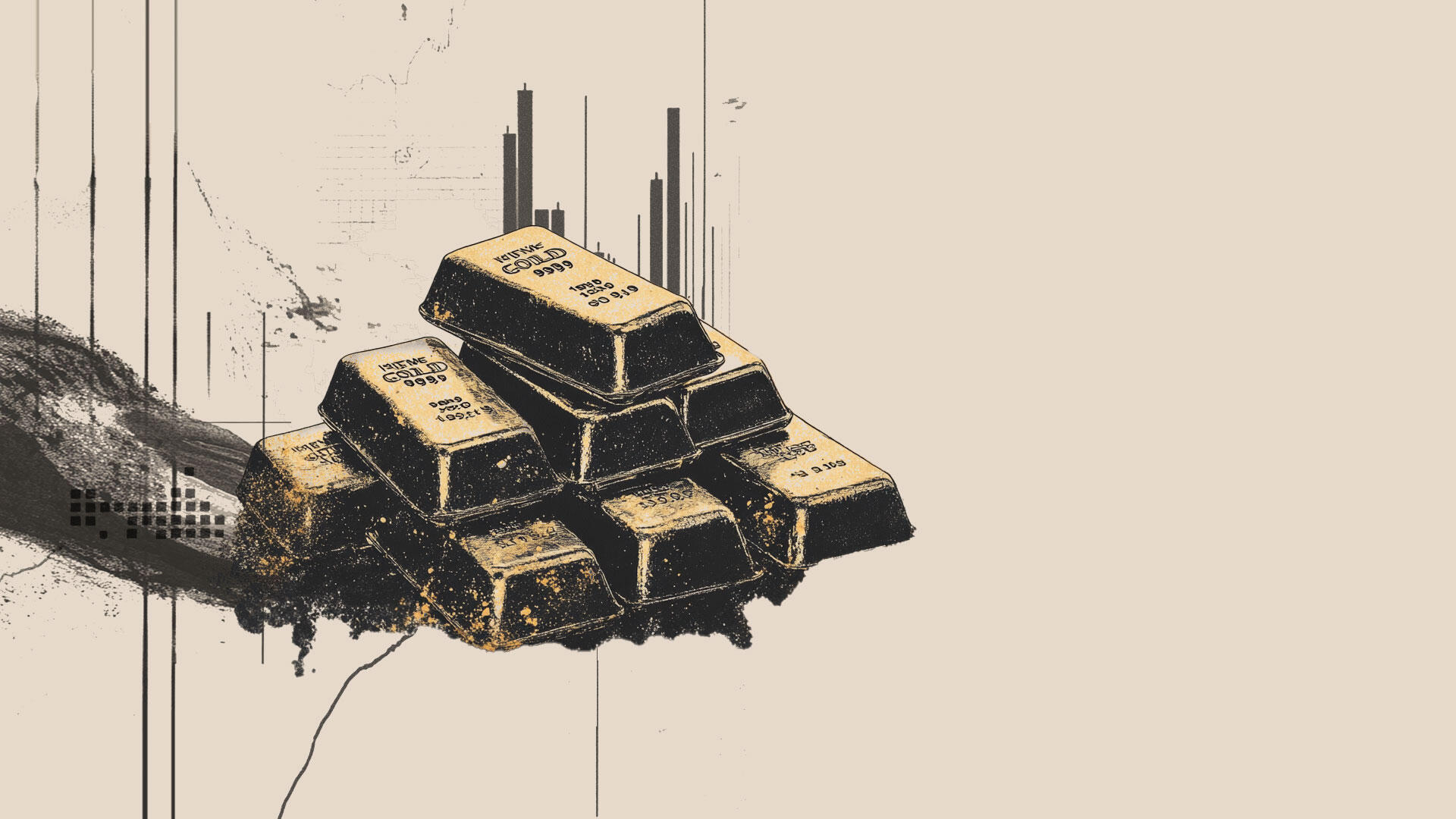
Gold traded at a premium in India last week for the first time in three months. This reflects the combined effect of tightening supply and improving demand.
Dealers reported premiums as high as $7 an ounce over domestic spot prices. That compares with discounts in the $5-to-$6 range the previous week.
Indian gold demand has improved as prices fell even as the festive buying season kicked off.
During the first week of October, Indian gold prices fell to ₹145,538 per 10 grams, the lowest level in nearly two months. According to the Times of India, “The correction brought more buyers into the market compared with the previous week and also resulted in sellers offering smaller discounts.”
The falling price coincided with the beginning of the festive season in September. This is considered an auspicious time to buy gold. The festival season starts in September, building into Navratri (Oct. 11), and peaking around Dhanteras (Nov. 6) and Diwali (Nov. 8). Buying typically continues into the winter wedding season.
On the supply side, Indian gold imports plunged by 45 percent in August and slumped again in September, falling from $2.3 billion to $1.8 billion according to preliminary data.
Imports typically pick up in late summer as dealers stock up on metal for the fall buying season. However, the government has aggressively tried to curb imports.
The Indian government announced the 9 percent duty increase in May. The change pushed the import tax on gold and silver from 6 to 15 percent. The move came as India struggled with a surging trade deficit that is pressuring its currency.
Oil accounts for around 22 percent of the nation's imports. The sudden spike in oil prices due to the U.S.-Iran war has hit India particularly hard. The country imports nearly 85 percent of its fuel, and about 50 percent of its crude imports flow through the Strait of Hormuz.
With both gold and oil prices spiking, India’s import bill has exploded. The country’s merchandise trade deficit topped $330 billion in the financial year ending March 2026. That was up from over $280 billion a year ago, a 17.9 percent increase.
The trade situation has put significant downward pressure on the rupee.
Gold and silver make up about 11 percent of India’s imports. The government raised import duties, hoping to limit metal flowing into the country. This will theoretically close that massive trade deficit and support the rupee.
So far, the move has proved effective, but it’s starting to create shortages of metal within the country.
More recently, several large Indian mutual funds issued public notices suspending bulk subscriptions to gold ETFs. According to Reuters, “The decision was taken following a nudge from the Securities and Exchange Board of India.”
While government intervention can limit imports, it’s unlikely to curb Indian’s appetite for gold.
When the government announced the import duty increase, Metals Focus pointed out that Indian gold and silver demand has historically remained resilient in a higher-tax environment. This reflects Indians' deep cultural connection to precious metals and their value as a store of wealth. As the rupee continues to depreciate, gold will become increasingly attractive.
According to Metals Focus analysts, “Consumers often delay purchases initially following sharp price increases but typically adjust to higher price levels over time. In addition, elevated duties could encourage a recovery in unofficial flows, which had collapsed following the 2024 duty reduction.”
That’s reflected in resilient festival season demand despite higher prices.
To receive free commentary and analysis on the gold and silver markets, click here to be added to the Money Metals news service.
Author

Mike Maharrey
Money Metals Exchange
Mike Maharrey is a journalist and market analyst for MoneyMetals.com with over a decade of experience in precious metals. He holds a BS in accounting from the University of Kentucky and a BA in journalism from the University of South Florida.