I am speaking Greek


S2N spotlight
There’s a common misconception in options trading: when two options trade at the same implied volatility—as in the example below (16% on two different dates)—people assume they imply the same risk.
That would be a serious mistake.
Yes, the headline IV number is the same, but the context is completely different once you look at the Greeks.
Take vol-of-vol—also called Volga, Vomma, Vega convexity, or even vol gamma. In simple English: How jumpy implied volatility is. On 28 November it was 164%, while on 3 October it was only 63%. That’s not a rounding error—that’s a different universe.
Next, look at realised volatility (RV).
The later date’s actual volatility was almost twice that of the earlier date.
So what am I really saying with this Greek salad?
I’m introducing the idea that context is everything. Many newer options traders deploy strategies using implied volatility—the most important input—and believe they “understand the risk” simply because they’ve looked at the IV number.
But options are the most complex beast in the entire trading world, often marketed as the simplest.
Don’t be fooled—or you may find yourself starring in a Greek tragedy.
S2N observations
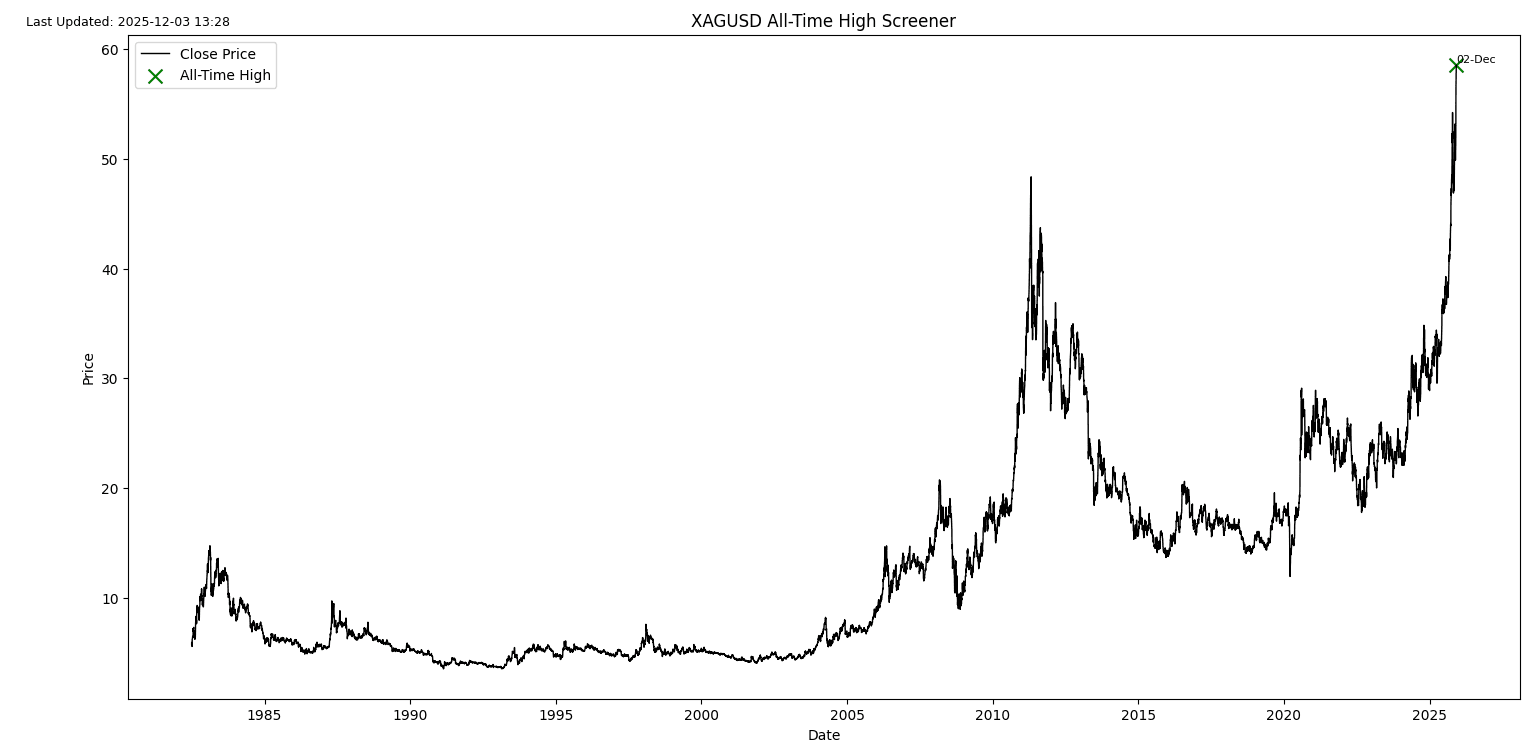
Silver is trading at all-time highs. Let us take a deeper dive into its relative performance with gold.
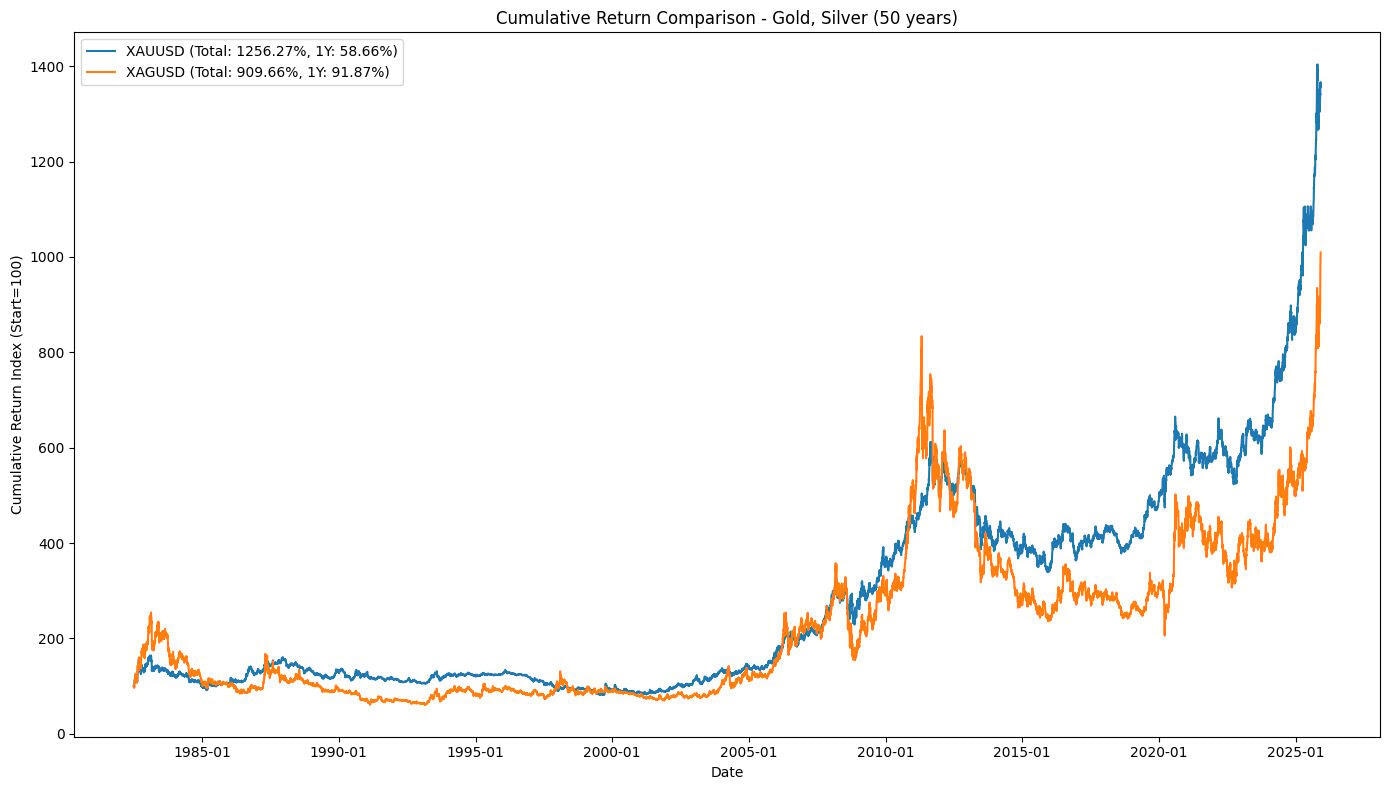
The last 50 years have seen gold produce a 1,256% total return and silver 909%.
The last year has seen silver produce a total return of 91% versus gold’s 58%.
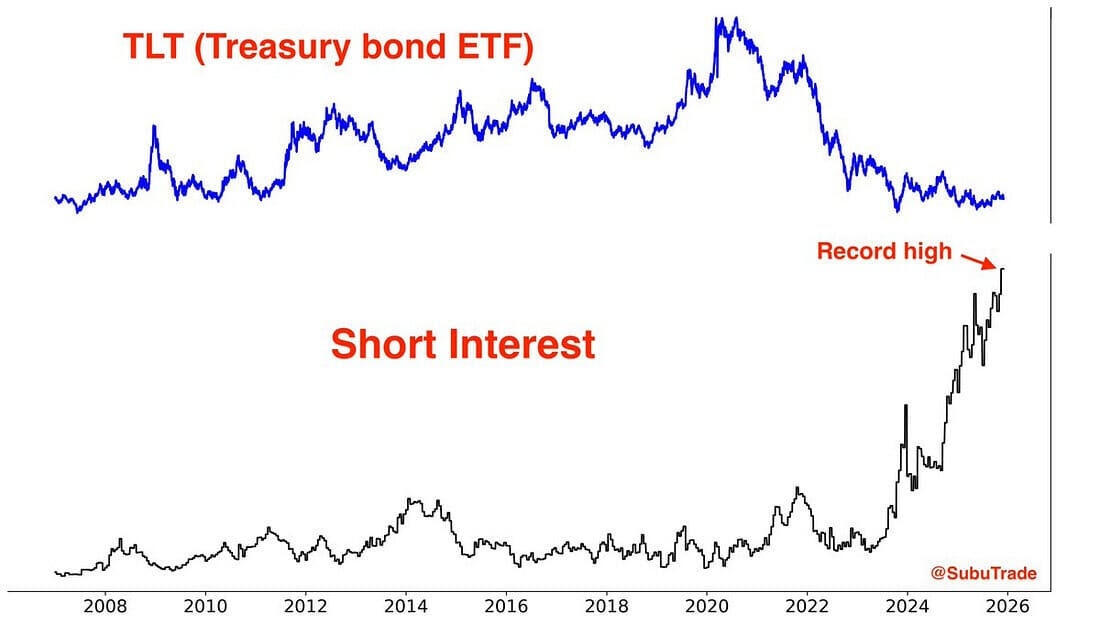
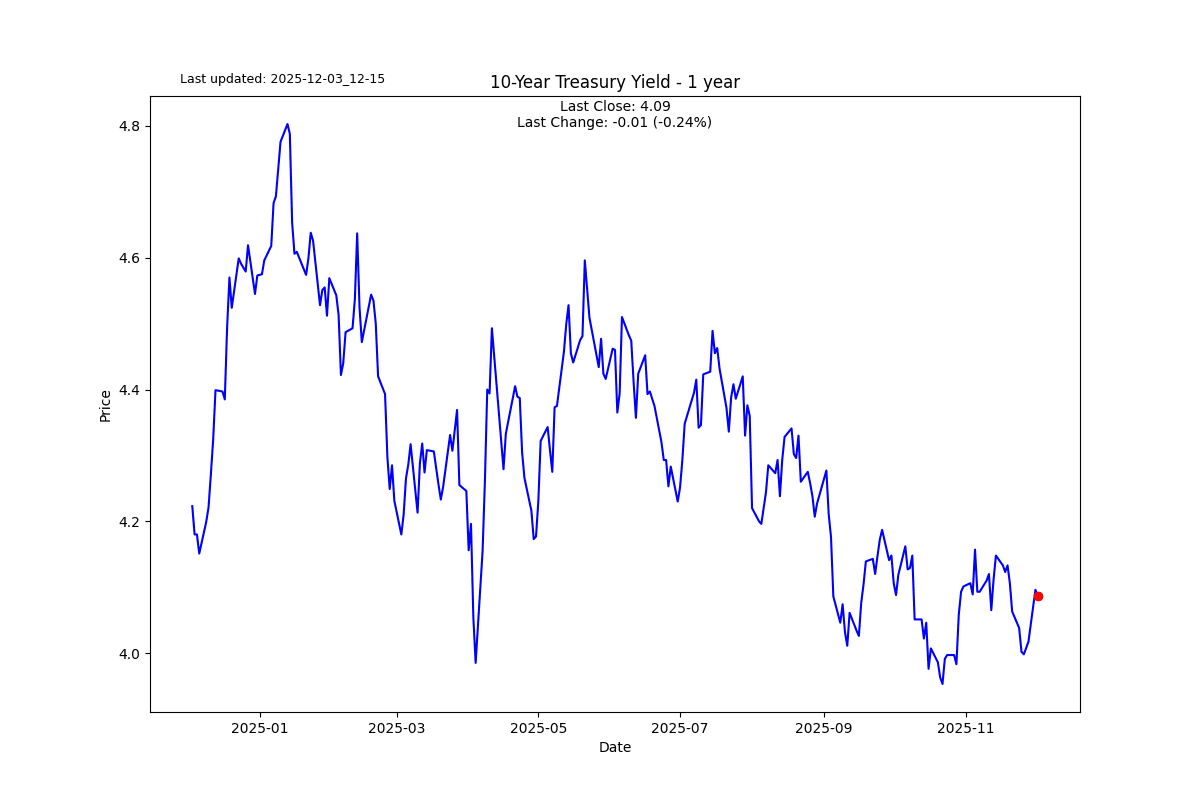
The short interest in one of the largest Treasury ETFs surely signals bearish sentiment.
S2N screener alert
The Indian rupee made another all-time low against the US dollar.
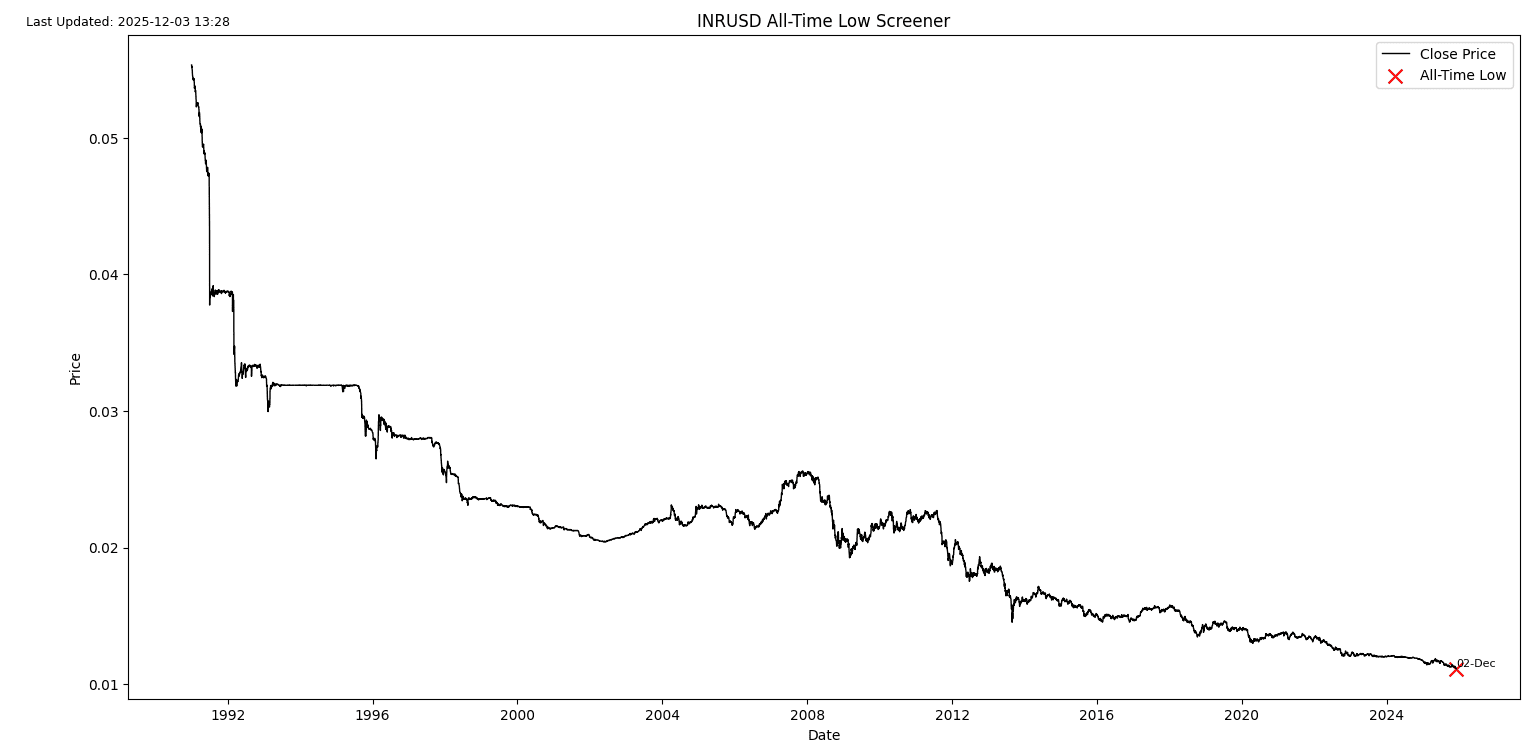
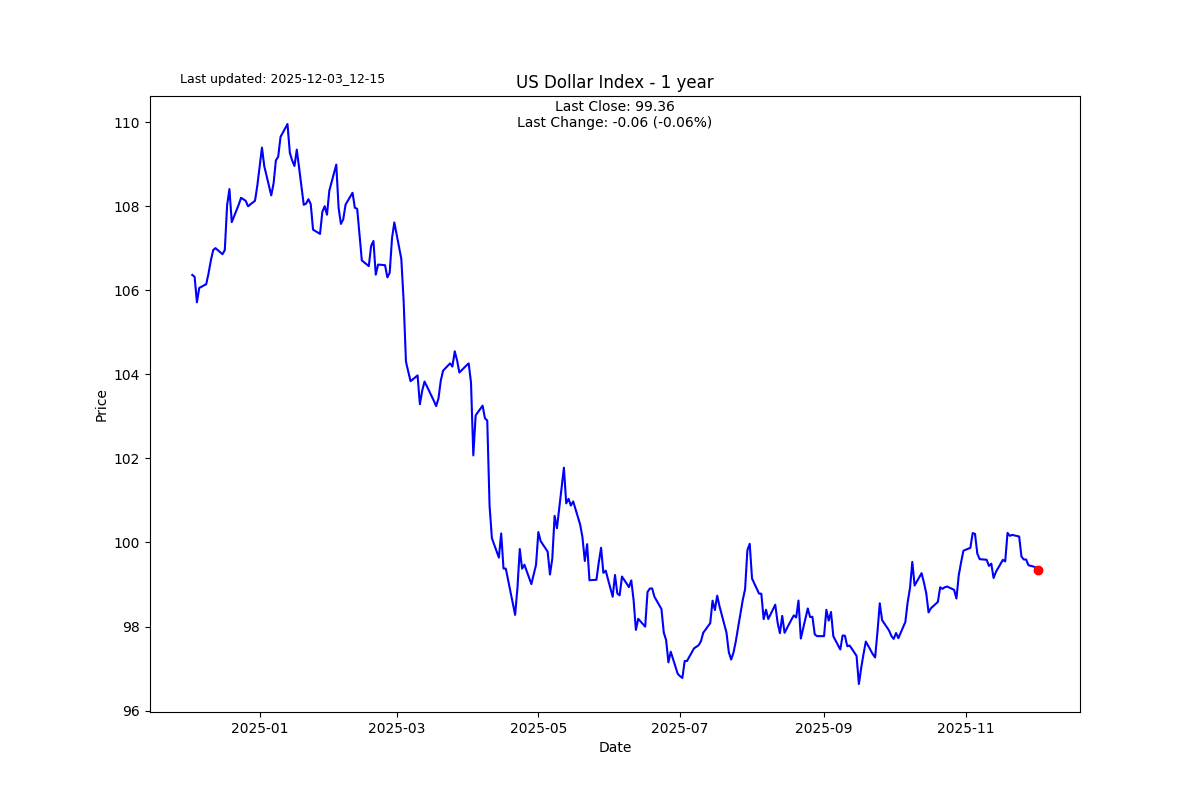
Sometimes it is easier to see the drama when you look at the strength of the US dollar compared to the Indian rupee.
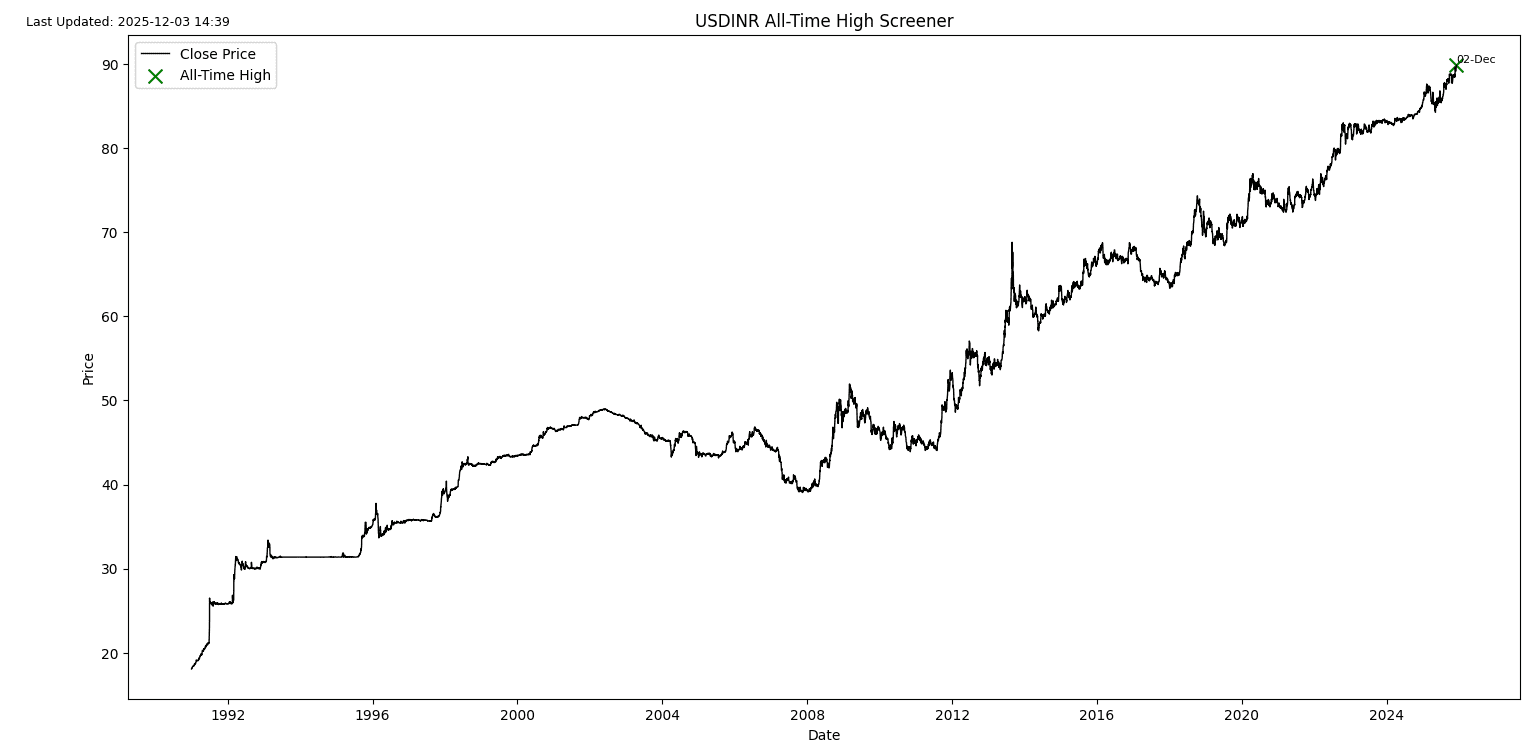
I don’t really follow the Indian economy, but today I couldn’t resist taking a look. I see so much opportunity here.
The rupee’s steady depreciation reflects India’s structural trade imbalance, with a –$41B trade deficit and a modest current account deficit of –0.6% of GDP, which is actually quite manageable for an emerging economy. A weaker currency raises the cost of India’s heavy oil and electronics imports, but it also improves export competitiveness, especially for textiles, pharmaceuticals, engineering goods, and IT services. With the current account deficit now small, the currency weakness is not a crisis signal but more of a natural adjustment to global dollar strength.
Come on, India, don’t choke like your cricket team; continue moving up the manufacturing curve. A cheaper rupee could be a significant long-run opportunity to boost exports and attract supply-chain relocation. With the current geopolitics, China’s lunch is yours to eat.
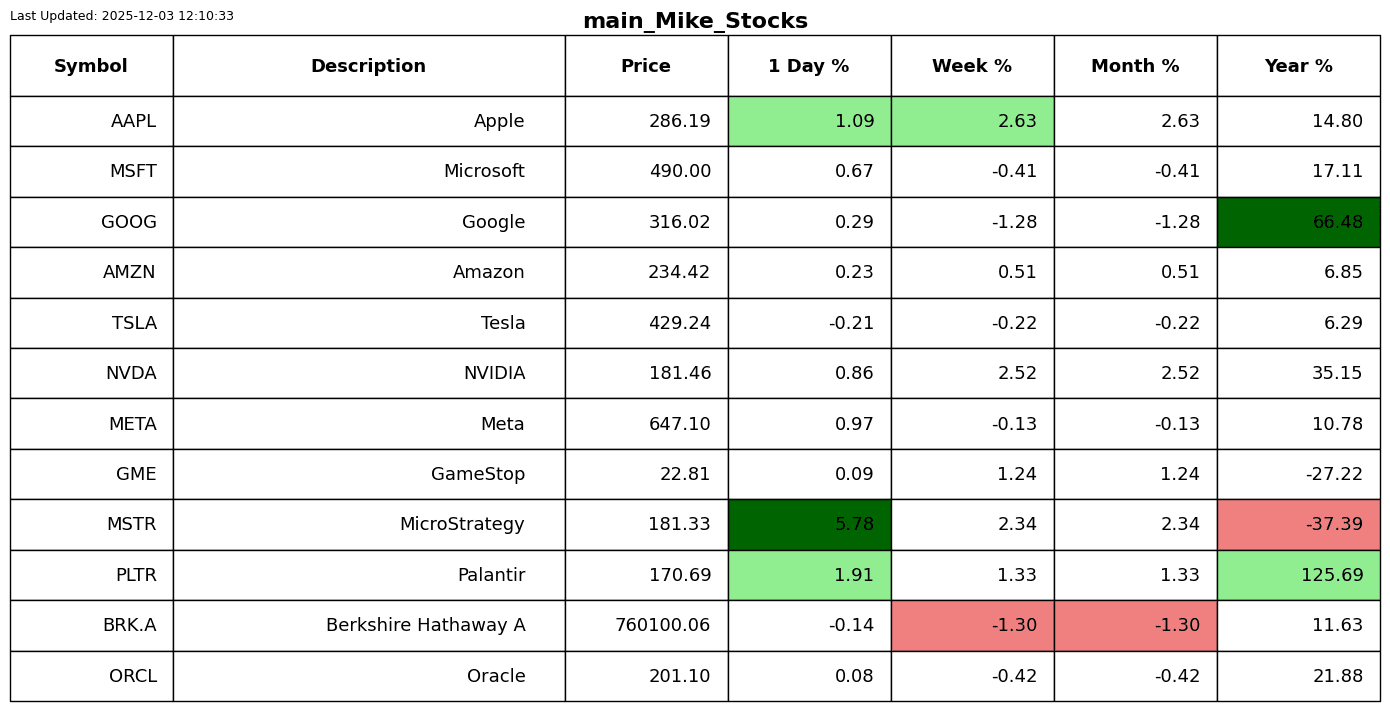
S2N performance review
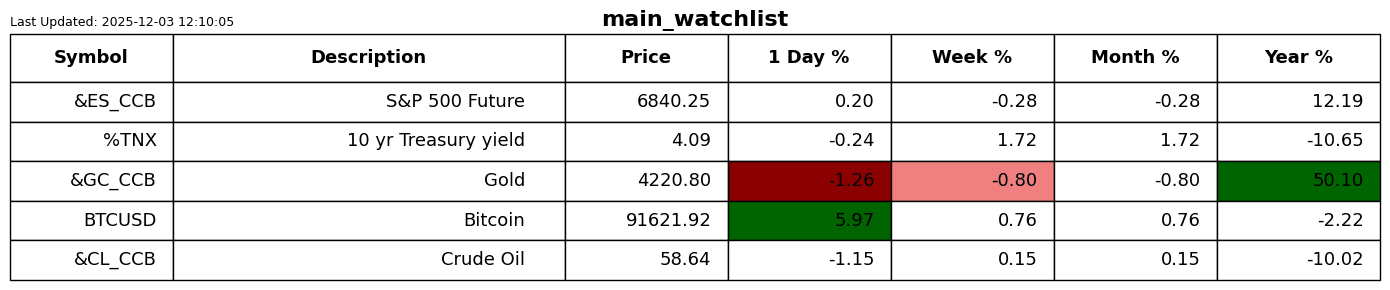

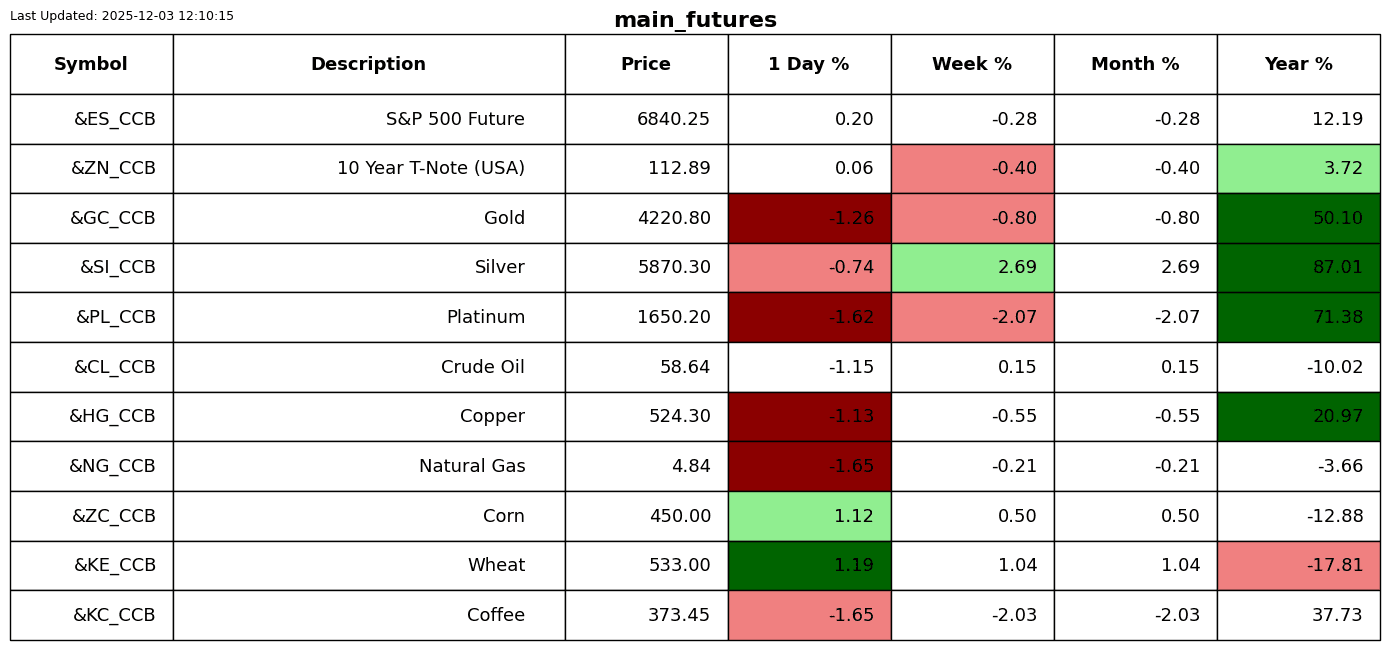
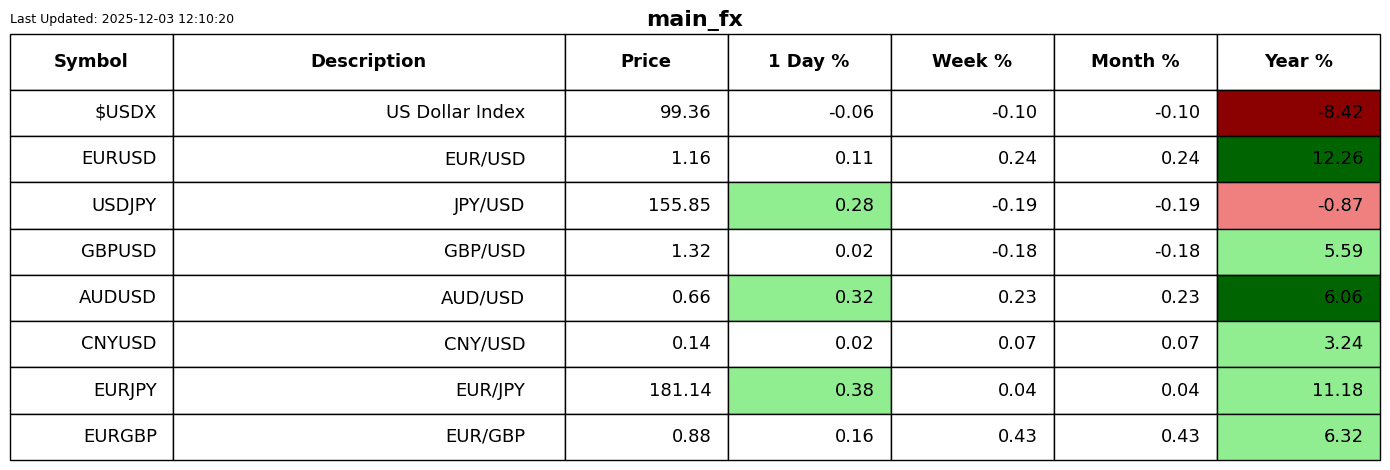


S2N chart gallery
S2N news today
Author
Michael Berman, PhD
Signal2Noise (S2N) News
Michael has decades of experience as a professional trader, hedge fund manager and incubator of emerging traders.

















