Fed to reduce meetings, as rates held steady and Alphabet disappoints
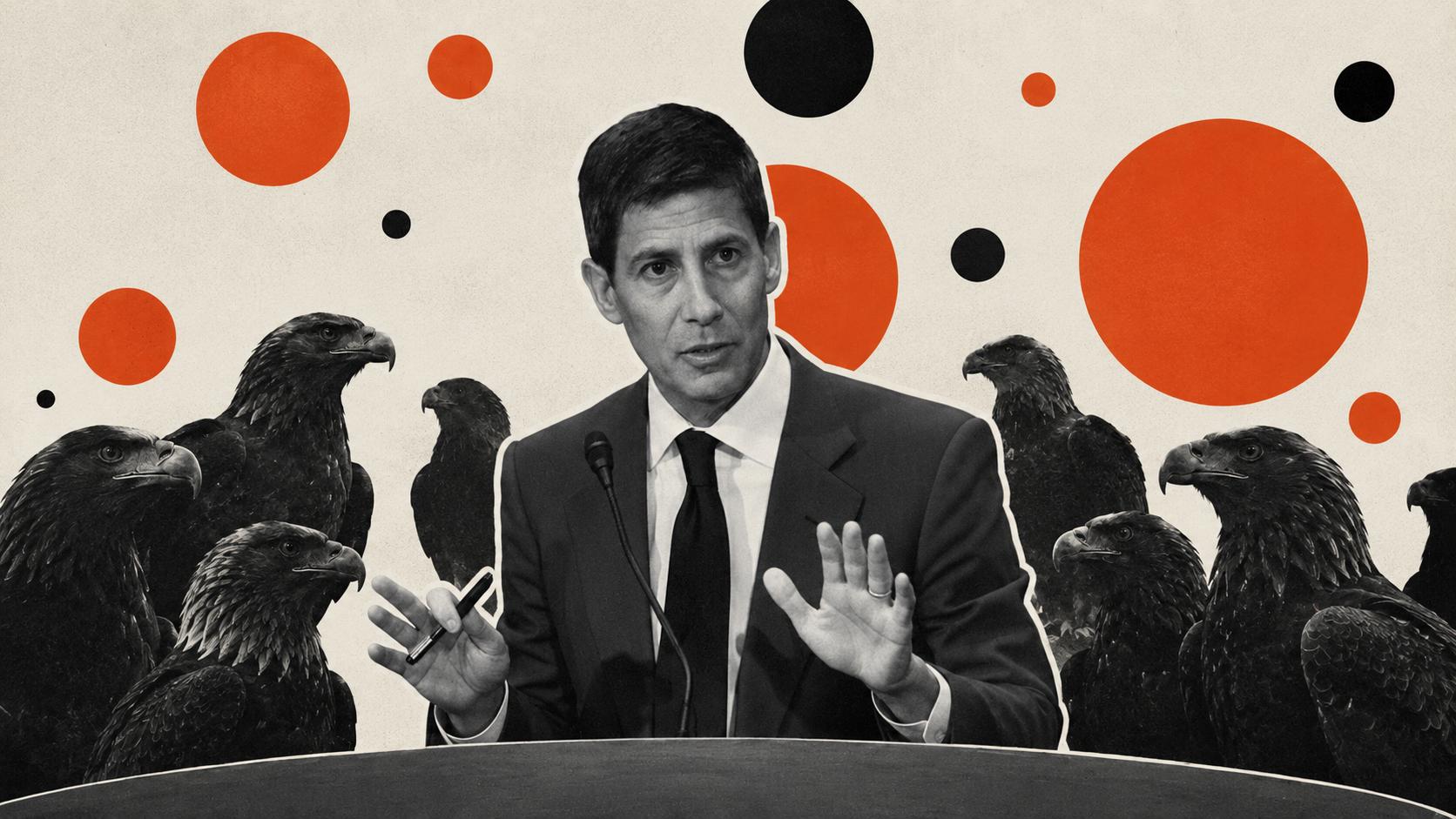
The Fed held interest rates steady this evening, and US stock indices climbed on Wednesday even though two FOMC members dissented and voted for a rate hike, and the market increased bets on a December rate hike, which now stands at 85%.
Oil price in focus as US reaches out to Iran for more talks
This was a major day of event risk for investors to digest, the UK budget, the Fed meeting and then tech earnings. Geopolitical news also broke, with reports that US Vice President JD Vance reached out to one of Iran’s most powerful and hard-line leaders to revive peace talks. The Brent crude oil price fell $2.50 on this news, and if it is confirmed and talks are going ahead then there could be further downside to come, which would be welcome news for equity and bond markets as we move to the end of the month.
Warsh strikes a less hawkish note
Back to the Fed, Kevin Warsh’s press conference was notable for two reasons: firstly, Warsh said that financial conditions are tightening, which led to traders reducing their bets on rate hikes in 2027, even though the market is convinced another hike is coming in December. Secondly, the Fed is planning to cut the number of rate setting meetings in the next two years.
Starting next Autumn, the Fed will dedicate one of its annual meetings to consider broad-based questions on the economy, rather than vote on interest rates. In 2028, the number of rate setting meetings will fall to six. Warsh justified this move by saying that it will allow the Fed to consider longer term economic issues. However, this is a controversial decision, since the Fed has held 8 rate-setting meetings a year for 40 years.
The Treasury market took this news in its stride, and yields fell, particularly at the short end of the curve. The 2-year yield dropped 3bps, however, 10-year yields were mostly unchanged.
Markets digest the prospect of reduction in FOMC meetings
The market is still getting used to Warsh and his dislike of forward guidance. If the Fed is not going to give much away about the future direction of interest rates, then are 8 rate decisions a year necessary? Also, if there are fewer meetings per year in the future, will this make financial markets less sensitive to monthly economic data that can be volatile, including CPI and NFPs?
There is a risk that the Fed could become less nimble if there are fewer rate-setting meetings, but we do not think that this is a concern for markets right now, especially since the change will not come into effect for another 11 or 12 months.
Overall, this Fed meeting has helped US stock indices to extend their recent rallies, and has weighed marginally on the US dollar, which was the second worst performing currency out of the G7 on Wednesday. Today’s meeting has been more impactful for the bond market, and we could see a further decline in Treasury yields on Thursday, especially if the market jumps on Warsh’s comments that financial conditions have tightened for households and businesses that could create a path towards price stability.
Magnificent 7 shows further signs of splintering
The other major event was Microsoft and Alphabet’s Q3 results. These results highlight the splintering in the magnificent 7. Microsoft reported strong results for Q3, in comparison, Alphabet reported sales and profits that disappointed estimates. Earnings per share was $2.12 last quarter, well below forecasts for $2.99. At the same time as sales and profits were weaker than expected, capital expenditure continues to rise to record levels.
Alphabet’s bread and butter units are a concern for investors
The problem for investors is not Google’s AI business, its cloud computing unit, a gauge of demand for the company’s AI products, posted revenue and profits above analyst estimates. However, weaker than expected numbers in its advertising and search business, which pays for Alphabet’s AI ambitions, is the main concern for investors.
The company also posted negative free cash flow for the second quarter in a row, and the company is now more than $9bn in the red.
Investors grow tired of the growth stock narrative
Investors are no longer willing to go along with the growth stock narrative of high levels of capex and cash burn to generate profits at some point in the future. This is why Alphabet’s share price
is down nearly 10% in post market trading. Investors are rewarding solid fundamentals, which is why SK Hynix, Oracle and Microsoft have all seen their share prices rally today. Microsoft’s share price is higher by 2.5% in post-market trading, after the company reported strong Q3 figures, including a $10bn beat on free cash flow, which now stands at $18.6bn. This suggests that the company’s AI ambitions are starting to pay off.
This earnings season is telling us that the Magnificent 7 is no longer a unified block, and the hyperscalers are not moving together. The mega cap tech stocks may have ploughed hundreds of billions into their AI build outs, but the pay off for that investment is variable among the 7 companies. For example, for now Microsoft seems to be winning the race to monetise its AI capex spend, while Meta and Alphabet may take longer for their AI investments to pay off. These changing timelines are reflected in diverging share prices, and it also highlights a lack of investor patience when it comes to the AI trade in the final months of 2026.
Author

Kathleen Brooks
XTB UK
Kathleen has nearly 15 years’ experience working with some of the leading retail trading and investment companies in the City of London.

















