|

Fed outlook – "Elephant in the room" as Warsh nomination dominates backdrop

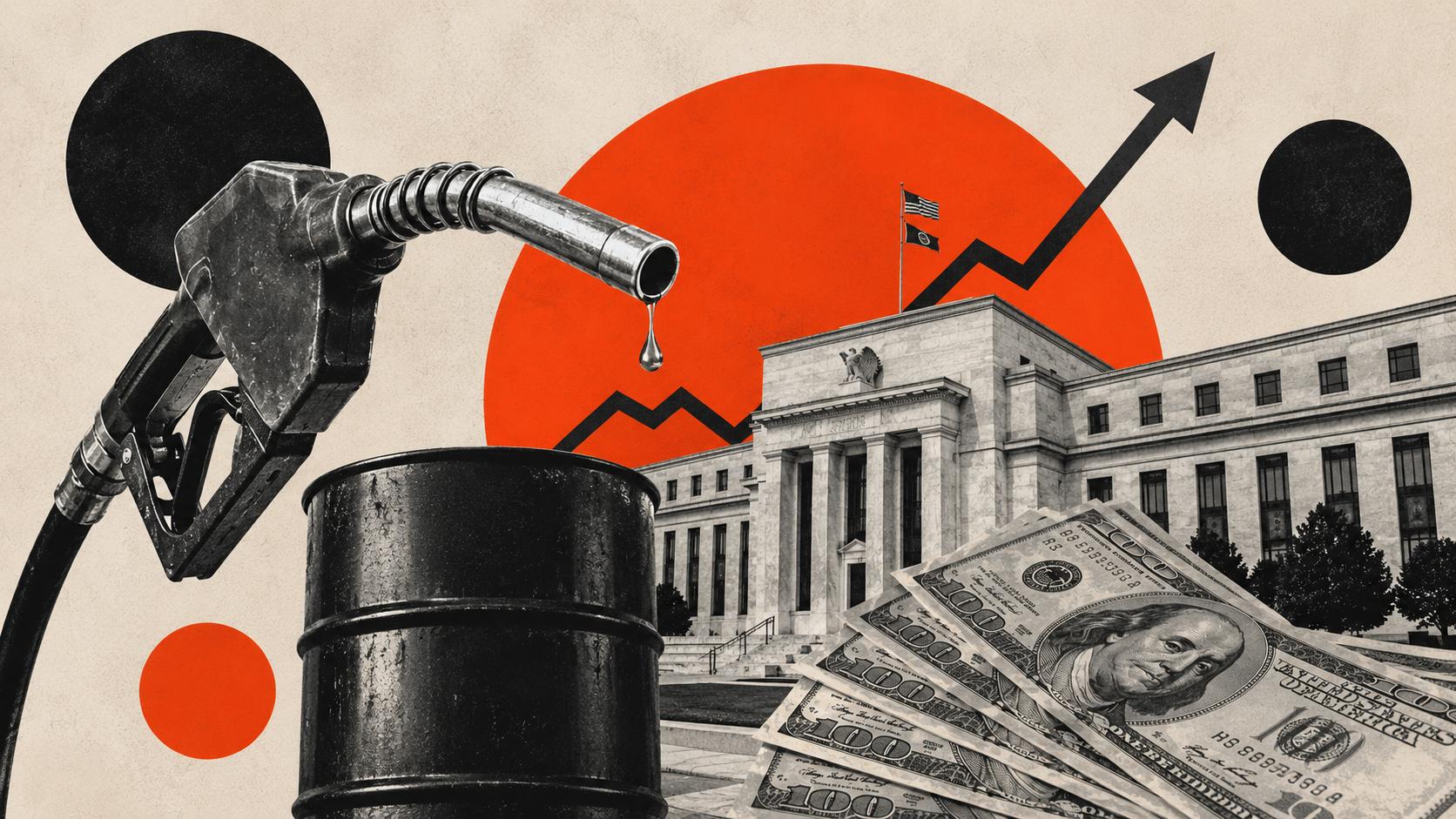
Now time to address the elephant in the room. Dominating the backdrop to this month’s meeting has been the 21st April confirmation hearing of Trump’s nominee for FOMC chair, Kevin Warsh, in which he laid his vision for sweeping changes at the Fed.

We see his remarks as having mixed implications for the dollar. The good news for markets is that Warsh seems dedicated to preserving central bank independence, with no suggestion that he will be at all compromised by the views of President Trump. Of course, it is difficult to take Warsh entirely at his word, particularly with Trump himself admitting that he would be "disappointed" if a Warsh-led Fed failed to deliver lower rates. While the remarks from the Trump nominee have been relatively encouraging thus far, the proof will, as ever, be in the pudding.

Warsh’s remarks that suggest a move away from asset purchases were seen as bullish for the dollar, although his plans for a ditching of forward guidance and a shift to a different inflation framework provide uncertainty and implications that are not so clear cut.

For now, Powell continues to command the room, and it could be a little while until we get a better idea as to what a Warsh-led Fed will actually look like, as his appointment is still to be ratified in the Senate. The assumption is that Warsh will lead the Fed in a more dovish direction than Powell, although we do not think that his appointment will dramatically change the path of US rates, given that he is but one of many voting members on the FOMC.

Author

Matthew Ryan, CFA

Matthew is Global Head of Market Strategy at FX specialist Ebury, where he has been part of the strategy team since 2014. He provides fundamental FX analysis for a wide range of G10 and emerging market currencies.


More from Matthew Ryan, CFA
Share:

Editor's Picks

AUD/USD keeps range near mid-0.7100s as USD bulls await US CPI

AUD/USD steadies near mid-0.7100s in the Asian session on Friday, stalling the previous day's sharp decline to an over one-week low. The August PPI report reaffirmed Fed rate-hike bets and boosted the US Dollar on Thursday, which weighed heavily on the pair. However, hawkish RBA expectations limited losses for the Aussie as USD bulls now await the release of the US consumer inflation figures before placing fresh bets.

USD/JPY holds lower ground toward 154.00; looks to US CPI

USD/JPY holds lower ground toward 154.00 in the Asian session on Friday after hot Japanese PPI data bolster a more hawkish BoJ repricing and provide fresh impetus to the Japanese Yen. However, the downside appears capped as the US Dollar preserves overnight gains ahead of the latest US consumer inflation data.

Gold: Gains remain capped by $4,400

Gold regains composure and trades with decent gains on Friday, managing to refocus attention on the $4,440 mark per ounce troy. Therefore, the precious metal reverses Thursday’s decline as the US Dollar alternates gains with losses at the end of the week.

Ripple Price Forecast: XRP extends decline as returning ETF inflows fail to lift outlook
Ripple (XRP) falls below $1.33 on Friday, marking the third consecutive day of declines. The token continues to track the broader cryptocurrency market downturn, with investors closely monitoring heightened macroeconomic uncertainty ahead of the United States (US) Consumer Price Index (CPI) release and next week’s Federal Reserve (Fed) monetary policy decision.
Weekly focus – The hawks set the tone
Risky assets came under pressure this week as energy prices kept creeping higher and the ECB surprised the markets with a hawkish tone. The price of Brent crude touched USD 110 per barrel on Thursday night, highest since mid-May, as news emerged that the Yemeni Houthis had reached control of key port cities and islands near the Bab el-Mandeb strait.
Venezuela’s 65-billion-barrel Oil deal could reshape America’s inflation fight
The United States (US) has secured unprecedented access to part of Venezuela’s vast Oil reserves. The timing is particularly significant as the war with Iran is disrupting Middle Eastern supplies, keeping energy prices elevated and reviving concerns about inflation.