Can Gold extend its rally? PCE inflation and Fed signals in focus

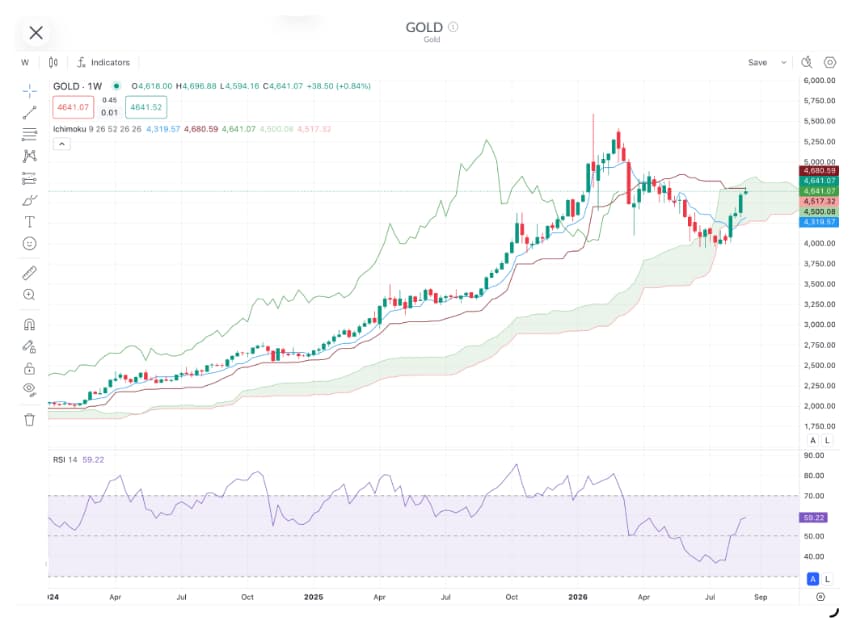
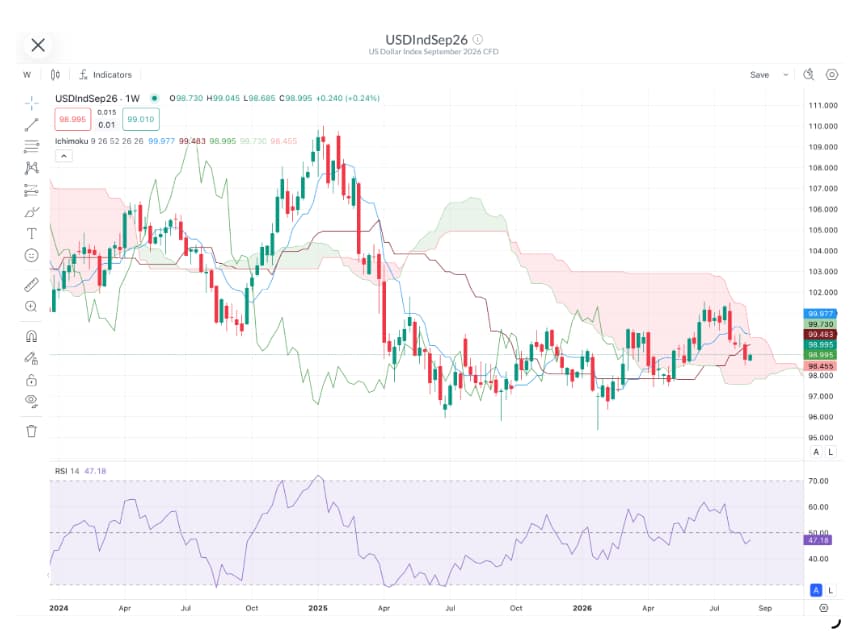
Gold prices have extended their recent recovery, reaching their highest level in more than three months before easing slightly from those highs. The move marks a continuation of the rally that began last week, with a weaker U.S. dollar providing an important tailwind for the precious metal. Because gold is priced in dollars, a softer greenback generally makes the metal more affordable for international buyers, potentially supporting demand.
The latest advance, however, comes at a critical point for markets, with investors preparing for two events that could shape expectations for U.S. monetary policy: the release of July’s Personal Consumption Expenditures (PCE) price index on Wednesday and Federal Reserve Chair Kevin Warsh’s speech at the Jackson Hole Symposium on Friday.
Inflation data could set the tone
The July PCE report will be closely monitored for fresh clues about the direction of U.S. interest rates. Inflation remains one of the key variables determining how much room the Federal Reserve has to adjust monetary policy, making the data particularly important for gold traders.
A softer-than-expected inflation reading could strengthen expectations that the Fed has greater scope to lower interest rates. Such a scenario could support gold by putting additional pressure on the dollar and potentially reducing the opportunity cost of holding a non-yielding asset.
Conversely, signs that inflation remains persistent could challenge expectations for easier monetary policy. A stronger inflation reading could support the dollar and Treasury yields, creating a more difficult environment for gold after its recent gains.
Focus turns to the Federal Reserve’s Chair
Markets will also be watching Kevin Warsh’s comments at Jackson Hole for indications about the Fed’s thinking on rates and inflation. Central bank communication can be particularly influential when investors are divided over the timing and extent of future policy changes.
For gold, the key issue is therefore not simply whether the Fed cuts rates, but how expectations surrounding future monetary policy affect real yields and the dollar. A dovish message could reinforce the recent momentum in bullion, while a more cautious tone could prompt traders to lock in profits following the metal’s strong advance.
Gold’s next move depends on the data
Gold’s rise to a three-month high demonstrates that bullish momentum has returned, but the market now faces an important test. The combination of fresh inflation data and the Fed chair’s comments could determine whether the precious metal can extend its rally or whether recent gains trigger a period of consolidation.
For traders, the dollar’s reaction may be just as important as gold’s immediate response. A sustained decline in the greenback would provide a supportive backdrop, while a renewed dollar recovery could weigh on bullion. Ricardo Evangelista, senior analyst at ActivTrades, said that gold's ability to hold above $4,600 and extend its advance hinges largely on continued weakness in the U.S. dollar alongside steady or falling Treasury yields.
Stay up to date with what's moving and shaking on the world's markets and never miss another important headline again! Check ActivTrades daily news and analyses here.
Author

Carolane de Palmas
ActivTrades
Carolane graduated with a Masters in Corporate Finance & Financial Markets and got the AMF Certification (Financial Markets Regulator in France). Afterward, she became an independent trader, investing mostly in European and American stocks/indices.