|

Better to Look Bad Than Feel Good
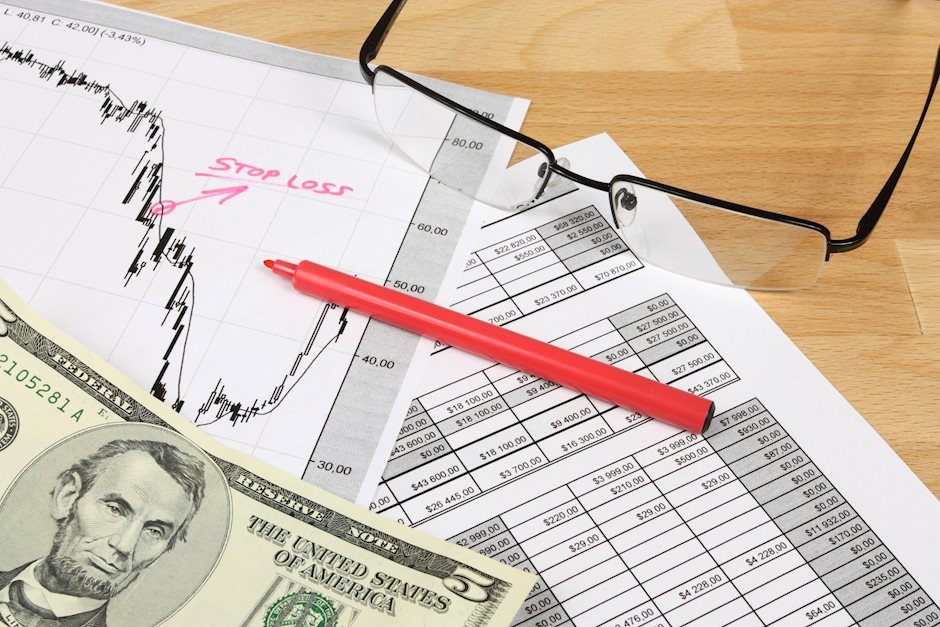
Investors are showing acute symptoms of Mad Sheep’s Disease, so obsessed are they with Fed monetary policy. To judge from the stock market’s selloff on Monday, Wall Street is now 100% dependent on stimulus from the Fed, or at least regular hints of it, to keep the ten-year-old bull market going. Consider Friday’s report that the U.S. economy added 224,000 jobs in June. Although that is well below peak levels, it suggests that hiring is continuing at a healthy pace even as the economy cools. Ordinarily that sort of news might be expected to hold stocks buoyant. In this case, however, it produced only a knee-jerk selloff because it ostensibly reduced the odds of Fed easing before August. 

Kowtowing to Wall Street’s Greed

Recently, even the most dovish banksters have struggled to concoct a plausible reason for loosening, given that the stock market is trading near record highs. But the easy-money mob has grown so shrill and persistent lately that Powell was ready to gun the supply of funny money for no good reason. Now, with hiring strong and steady, the Fed must feel positively embarrassed about having to kowtow to Wall Street’s naked greed. (Don't worry, all you sheeples, that won't stop them from doing the wrong thing.) In the meantime, we should expect the stock market to act out the terminally afflicted logic of chronic Fed-itis. To borrow Ricardo Montalban’s famous phrase, as far as investors are concerned, it is better to look bad than to feel good. 

Author

Rick Ackerman

Rick Ackerman

Rick’s Picks

Barron’s once labeled Rick Ackerman an “intrepid trader” in a headline that alluded to his key role in solving a notorious pill-tampering case.


More from Rick Ackerman
Share:

Editor's Picks

EUR/USD: US Dollar to remain pressured until uncertainty fog dissipates

Unimpressive European Central Bank left monetary policy unchanged for the fifth consecutive meeting. The United States first-tier employment and inflation data is scheduled for the second week of February. EUR/USD battles to remain afloat above 1.1800, sellers moving to the sidelines.

GBP/USD reclaims 1.3600 and above

GBP/USD reverses two straight days of losses, surpassing the key 1.3600 yardstick on Friday. Cable’s rebound comes as the Greenback slips away from two-week highs in response to some profit-taking mood and speculation of Fed rate cuts. In addition, hawkish comments from the BoE’s Pill are also collaborating with the quid’s improvement.

Gold: Volatility persists in commodity space

After losing more than 8% to end the previous week, Gold remained under heavy selling pressure on Monday and dropped toward $4,400. Although XAU/USD staged a decisive rebound afterward, it failed to stabilize above $5,000. The US economic calendar will feature Nonfarm Payrolls and Consumer Price Index data for January, which could influence the market pricing of the Federal Reserve’s policy outlook and impact Gold’s performance.

Week ahead: US NFP and CPI data to shake Fed cut bets, Japan election looms

US NFP and CPI data awaited after Warsh’s nomination as Fed chief. Yen traders lock gaze on Sunday’s snap election. UK and Eurozone Q4 GDP data also on the agenda. China CPI and PPI could reveal more weakness in domestic demand.

Three scenarios for Japanese Yen ahead of snap election

The latest polls point to a dominant win for the ruling bloc at the upcoming Japanese snap election. The larger Sanae Takaichi’s mandate, the more investors fear faster implementation of tax cuts and spending plans. 

XRP rally extends as modest ETF inflows support recovery

Ripple is accelerating its recovery, trading above $1.36 at the time of writing on Friday, as investors adjust their positions following a turbulent week in the broader crypto market. The remittance token is up over 21% from its intraday low of $1.12.












