Asia wrap: The US Dollar freight train barreling down the tracks
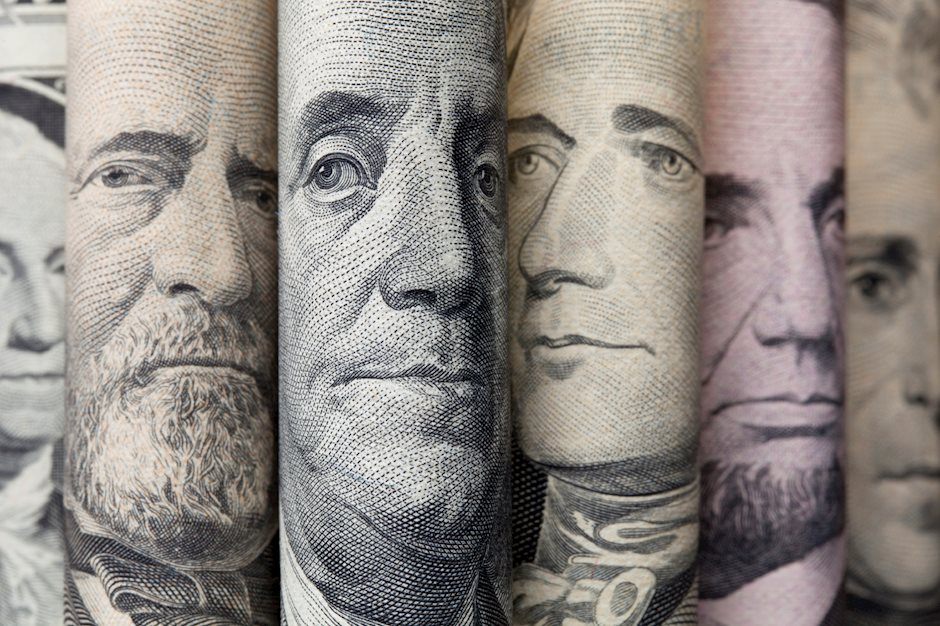

The latest moves from Trump’s camp, especially with China hawks joining his inner circle, are sending chills through the markets and casting a decidedly icy glow on U.S.- China relations. With a Republican clean sweep in Congress giving him near-unchecked power, Trump’s got all the tools to turn up the heat on trade. Wall Street—and let’s be honest, Trump himself—won’t miss the headlines about China’s trade surplus, reportedly inching towards an eye-popping $1 trillion. And with whispers of his “Tariff Titan” trade czar making a comeback, markets are buzzing with speculation that tariffs could be hitting sooner than anyone expected, leaving traders scrambling to position themselves. Unsurprisingly, USD/CNH, is eyeing 7.25 and dragging the ASEAN basket along for the ride.
Now, what’s China’s move in this high-stakes game? They’ve got some “dry powder” in strategic stimulus options, though, in reality, it’d need to be an avalanche even to make a dent. China’s still banking heavily on exports to keep its economy humming. But with imports down 2.3% in October—matching the lowest point since September 2023—and the CPI looking deflated, it’s clear the economy has boiled down to a single lifeline: exports.
If Trump’s team decides to pull no punches, rallying allies (an easy pitch, especially with the EU) to cut down on Chinese imports, clamp down on the yuan, and slap sanctions on any state-owned enterprise funnelling dual-use tech to Russia, Beijing could face serious trouble. With unrest simmering back home, China's last need is an export crisis courtesy of a newly emboldened U.S.
Meanwhile, European investors are bracing for impact, with a rumoured 10% Trump tariff on the EU looming large. The pressure is on those holding unhedged assets in Europe or Asia as currency risk premiums skyrocket, widening the gap between perceived and fair value. The need for hedging or risk reduction has never been clearer, but here’s the twist: hedging costs are spiking, too, leaving many investors caught between a rock and a hard place. In volatile markets like these, the first cut often turns out to be the cheapest.
Eventually, there will come a breaking point when the PBoC and ECB step in, slashing rates and unleashing stimulus measures that could make Chinese and EU stocks attractive again. But for now? That light at the end of the tunnel looks less like a way out and more like a U.S. dollar freight train barreling down the tracks.
Author
Stephen Innes
SPI Asset Management
With more than 25 years of experience, Stephen has a deep-seated knowledge of G10 and Asian currency markets as well as precious metal and oil markets.