Asia wrap: Asia finds its feet, but Oil starts looking for a weekend story
- Korea’s rubber-band effect is accelerating intraday as 3x ETF flows, volatility targeting and short-covering compress the rebound cycle.
- The AI trade remains crowded; a sharp bounce does not erase the risk that expectations have run ahead of realised returns.
- Oil’s $2 move looks more like short-covering and weekend-risk insurance than a fundamental shift in the supply outlook.
- Thin US holiday liquidity leaves both markets vulnerable to outsized moves from relatively small catalysts.
Asian stocks found some footing after two bruising tech-led sessions, with the Korean market once again showing how quickly a stretched rubber band can snap back when everyone leans the same way. The Kospi, still the world’s best-performing major equity gauge this year, climbed 1.2% after an early wobble pushed it close to technical bear-market territory. Samsung added 4.4% after reports that Anthropic is in talks with the company over manufacturing a custom AI chip, giving traders just enough of a reason to cover some of the shorts they had spent the previous two days building.
As flagged yesterday, the rubber-band effect is now increasingly an intraday event rather than something that takes several sessions to play out. Korea’s 3x ETF ecosystem has changed the market's rhythm. What once might have been a slow-motion heavy liquidation now runs through the system like a weather squall: systematic selling hits, volatility-targeting funds cut exposure, short sellers press their advantage, then the first sign of stabilization brings in mechanical buying and short-covering. The market is learning its own reflexes, and the recovery is arriving faster because the machines know exactly where the exits are.
That does not make the underlying AI concern disappear. The rally had become an overcrowded trade, with too much capital chasing too few winners and too much certainty embedded in the assumption that spending on AI infrastructure would continue rising in a straight line. But crowded trades rarely unwind in a clean line. They move like an overloaded elevator: a sharp drop when everyone reaches for the door, followed by a violent bounce when the first few people step back inside.
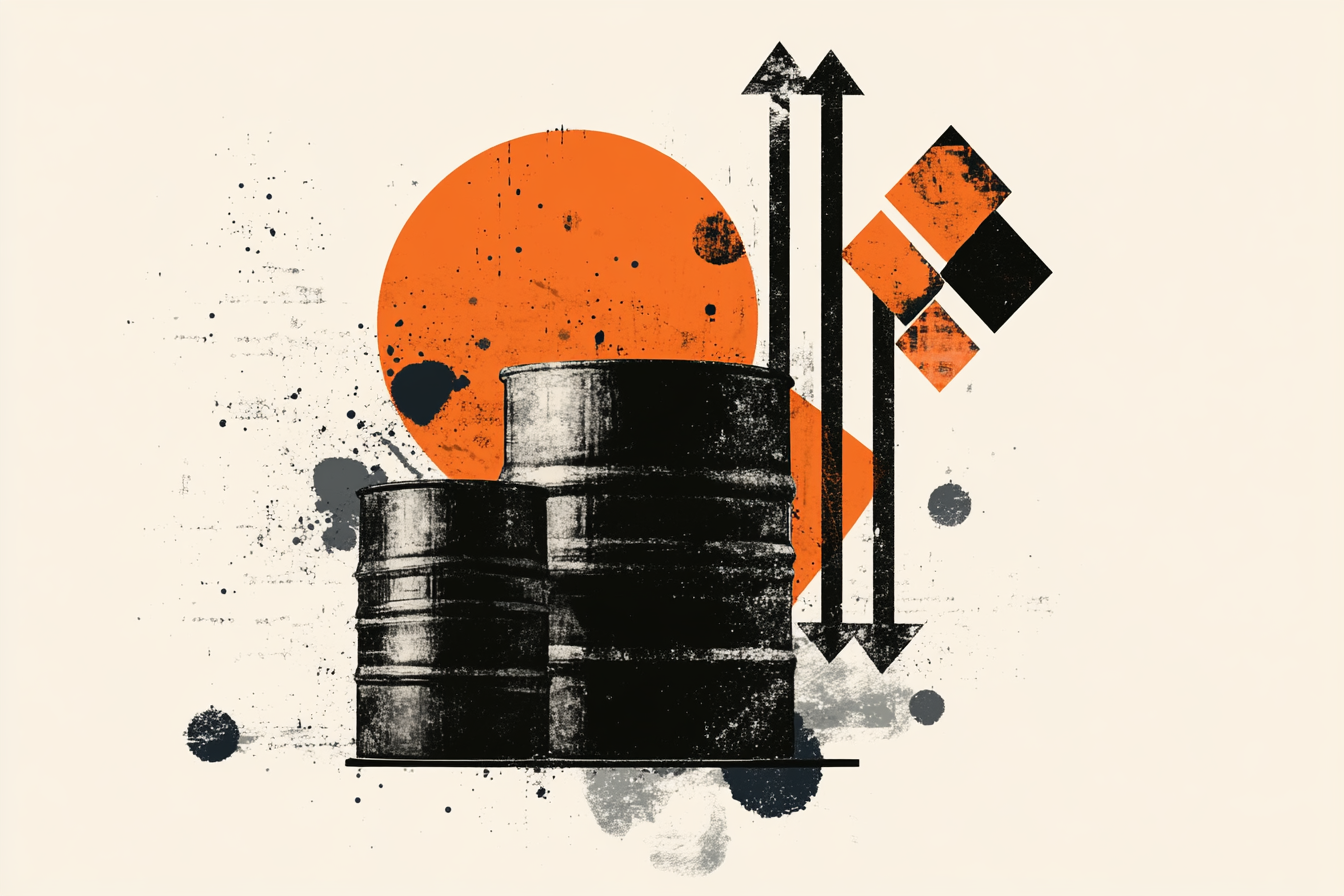
Oil is the more curious market this morning. A roughly $2 move has raised some eyebrows, although nothing is remotely close to danger-zone territory. The more likely explanation is that heavily short positioning is being trimmed ahead of the weekend, particularly with the US holiday thinning liquidity and making it easier for a modest headline to send prices rolling up or down the hill. In a thin market, it does not take a tanker fleet to move the barrel; a few traders closing risk and a nervous headline can do the job.
The oddity is that the broad market narrative remains firmly bearish. Everyone expects more Iranian supply to come into the market, and the physical story still points toward a wave of barrels looking for a home. Yet traders are circling back to reports that US officials still have options after Iran rejected direct Doha talks, while President Trump continues to argue diplomacy remains viable. That is not a new oil bull market. It is simply a reminder that when the market is heavily positioned for one outcome, even a small crack in the script can make shorts reach for the door.
The bigger lesson is that both Korea and crude are trading less on grand narrative and more on positioning, liquidity and timing. Asia’s AI unwind may have paused, but the market remains vulnerable to another air pocket if the next earnings or capex signal disappoints. Oil may still have a supply problem waiting down the road, but heading into a thin holiday weekend, the market is pricing a little insurance against the possibility that the geopolitical weather map changes before Monday.
Author

Stephen Innes
SPI Asset Management
With more than 25 years of experience, Stephen has a deep-seated knowledge of G10 and Asian currency markets as well as precious metal and oil markets.