AI security: You can't hack physical Gold and Silver
Some people in tech circles are calling it Black October.
AI has reached the point where it can blast through cybersecurity defenses that were once considered unbreachable.
That means virtually anything digital can be hacked – including your bank account.
Do you know what can’t be hacked?
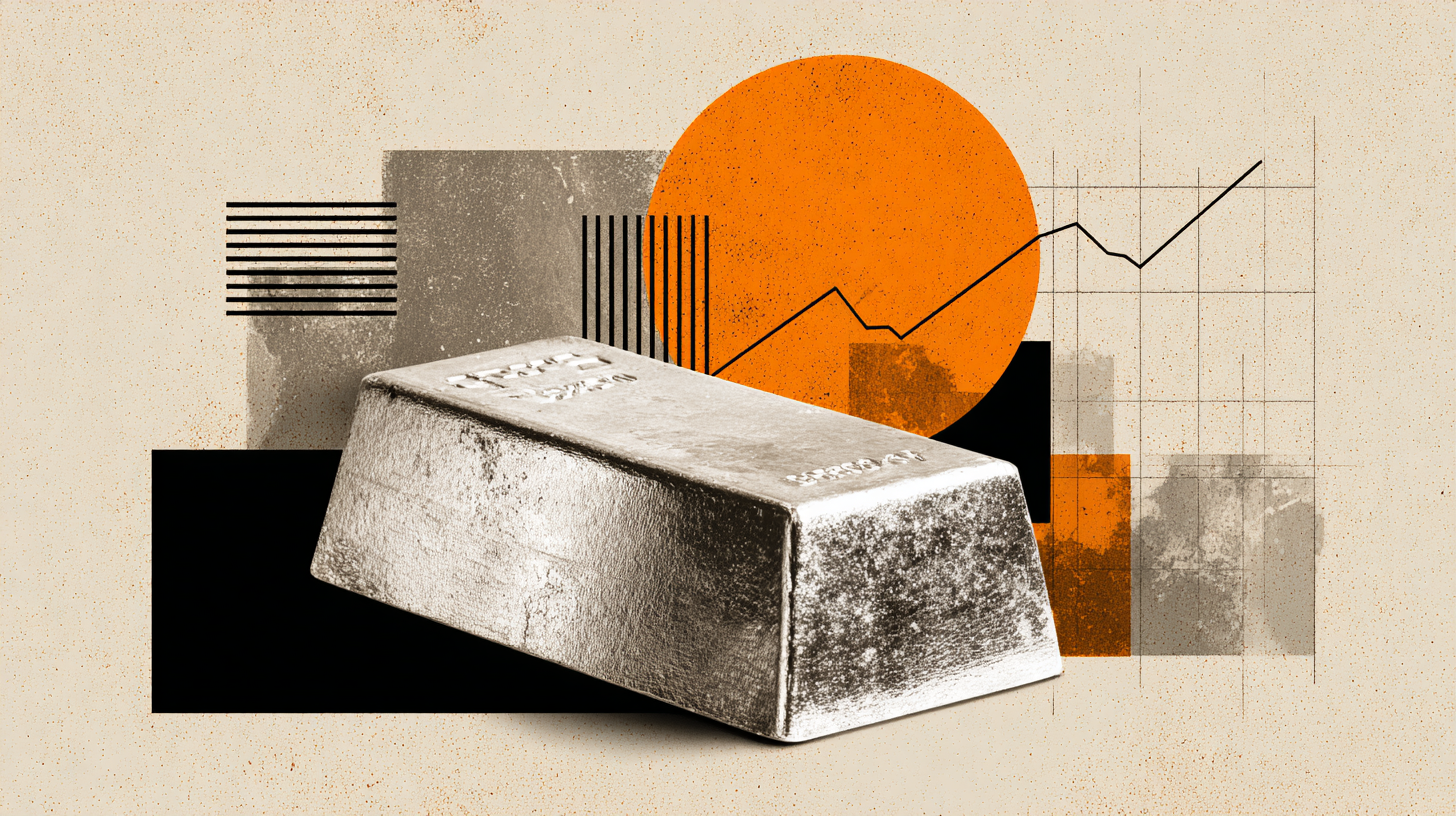
Physical gold and silver.
AI on the loose?
Common Vulnerabilities and Exposures (CVE) reports have surged this month. These are a standardized catalog of publicly disclosed cybersecurity vulnerabilities. Google Threat Intelligence reported that monthly vulnerability disclosures more than doubled from 5,045 in January to 10,740 in August. As this chart shows, things have gone parabolic in the last couple of weeks.
I’m not a tech bro, and a lot of this stuff flies over my head. However, I do recognize panic, and it is running rampant in cyber circles right now.
John Milinovich described the situation in a post on X.
“We're 48 hours into what is being called Black October. In the last 2 days there have been several dozen cyberattacks which, in isolation, would each have been the worst to happen in an entire calendar year. Every sector from government to education to big tech and banks is being massively affected, and people are starting to freak out.”
Several banks have reported AI agents working within customer accounts. CBS News reported, “Some of the biggest financial institutions in the U.S. say customers have given their personal AI agents, which are unvetted by banks, access to their financial accounts.”
And some of these AI bots have apparently taken actions the account holder never authorized. This includes calling customer support to file complaints. An Axios reporter called it “a nightmare of AI agent activity for banks.”
White House “AI czar” David Sacks insisted this uptick in AI agent activity was not a “cyberattack.”
"There's a world of difference between user-authorized agents and true unauthorized/rogue agents that could constitute cyberattacks. Most of the activity described in the Axios story appears to be the former: customers sharing credentials with agents so they can take actions on their behalf."
Nevertheless, there is growing worry about bad actors using sophisticated AI tools for nefarious ends.
Milinovich explained that top AI models can rival the most sophisticated programmers. However, there’s a big difference. AI doesn’t need to sleep.
“They can work 24/7, and you can spin up 10,000 of them with a single command, and they'll work together tirelessly until they accomplish their task. The most advanced models today are from companies like Anthropic and OpenAI, whose current best technology is so good that they haven't been able to roll it out to everyone yet because of the national security risks it poses.”
Milinovich said that the best open-source models accessible to anyone are only slightly behind, calling them 90 to 95 percent as capable.
“These models, developed primarily in China, are being used by black hat hackers to wreak havoc on the Western capitalist structure. Presumably, this has been part of China's plan the entire time, and we're seeing its implications fall out in real time.”
Your money at risk
We tend to think of money in the bank as “safe.”
Is it, though?
The bank introduces significant counterparty risk. Simply put, you have no control over your funds when they are in the bank.
Hackers do.
With a sophisticated AI tool, hackers could access your savings account and drain it completely.
They cannot “drain” the silver coin I’m holding in my hand.
This risk is inherent in every digital asset, from gold ETFs to Bitcoin. If it’s stored on a computer, it could be hacked.
Given the probable rise of AI-assisted cybercrime, holding physical assets such as gold or silver will become increasingly important.
Even absent security threats, it’s still unwise to rely solely on digital assets. Consider what would happen if a major storm took out the electrical grid in your area. How would you access your money or do business if you can’t even fire up your computer or charge your phone?
We take the digital world for granted, but it wouldn’t take much to send us back to the proverbial Stone Age. It’s wise to be prepared. Hold some physical gold or silver as insurance.
Russia has learned the value of hard assets like gold as it navigates a world where it has virtually no access to dollars. The Russians have used their extensive gold reserves to keep their economy afloat.
As the threat of sophisticated cyberattacks grows, it’s important to take steps to secure your digital world. Use long, difficult passwords and change them frequently. Turn on two-factor authentication. And beware of giving AI bots access to sensitive accounts.
Most importantly, keep at least one toe in the physical world. Keep assets you can hold in your hand. Gold and silver in your safe can’t be hacked, and they can’t be “turned off.”
To receive free commentary and analysis on the gold and silver markets, click here to be added to the Money Metals news service.
Author

Mike Maharrey
Money Metals Exchange
Mike Maharrey is a journalist and market analyst for MoneyMetals.com with over a decade of experience in precious metals. He holds a BS in accounting from the University of Kentucky and a BA in journalism from the University of South Florida.