A Question of Balance: Could EU’s Current Account Surplus Bode Well?
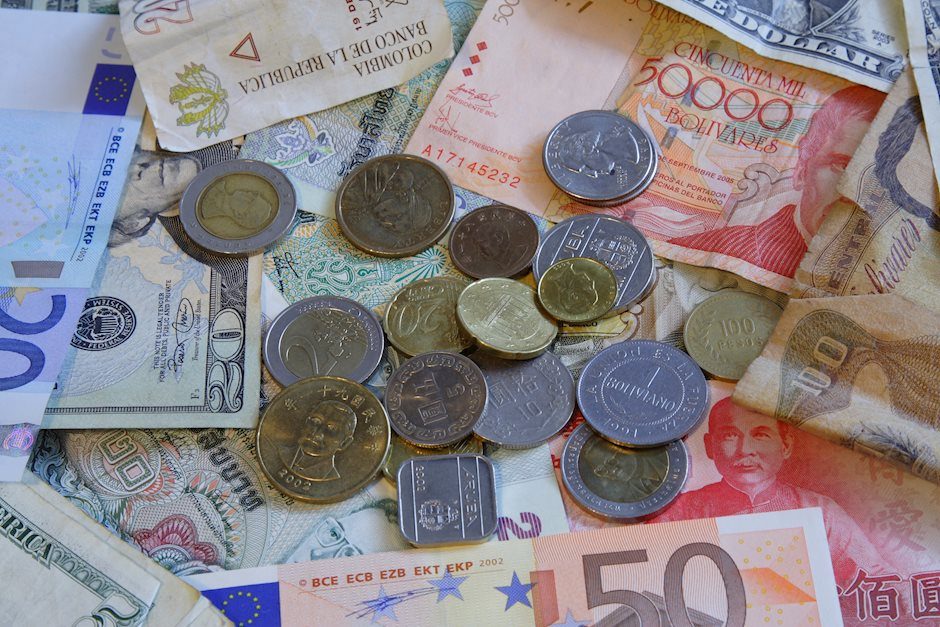

After eight years of massive loans and severe austerity measures, Greece has officially ended its international bailout program. In victorious action, Prime Minister Alexis Tsipras removed his tie at the end of his speech to celebrate the debt relief deal granted by the country’s creditors.
The completion of the loan program is a significant accomplishment for Greece, but the road to economic stability is rife with challenges. For one, the country’s multiple international bailouts nearly pushed Europe to the edge of crisis. These financial troubles exposed issues in the European Union’s (EU) common currency — almost threatening to break the block apart.
Greece is just one country, among many in the EU, that paint a grim picture of how a member state’s external imbalances are a sign that trouble is brewing.
The Fight to Reverse Current Account Deficits
Greece is not alone in its uphill battle toward economic growth — Portugal, Spain, and Ireland have similar tales to tell. But those thatwere once the weakest eurozone economies are back from the brink.
While countries in the European periphery have been somewhat successful in reversing their current account deficits, the EU’s creditor countries are not following a similar trend. Surpluses in the Netherlands and Germany have increased. As a result, the eurozone has obtained a substantial current account surplus.
Data from the IMF’s External Sector Report cites that the EU had the biggest current account surplus in 2017, reaching an amount of $442 billion. Germany has the largest surplus in any single country, defeating China and America, which are now reporting deficits.
Current Account Imbalances: A Sign of Economic Safety or Strife?
Evaluating current account imbalances can be tricky. They could represent economic health or financial stress.
In some cases, current account imbalances can be appropriate, and even necessary. Regions with rapidly rising ageing populations, like Europe and Asia, for instance, need to accumulate funds they can draw from to help their workers retire. On the flip side, countries that gather a significant amount of external liabilities could fall victim to sudden stops in capital flows and steep cuts in spending.
Significant Economic Recovery is Underway
Corrections of imbalance have been in full swing in recent years to save economies in distress. But the current account deficits in the EU were the worrying kind. While the competition has improved, thanks to increases in imports, it has come at a great price: crisis-hit countries had to devalue their real exchange rates by slashing wages as well as employment and domestic demand.
The European Union set out to address the risk of current account asymmetry in 2011 after setting up the macroeconomic imbalance procedure. But even though it addresses imbalances, the focus was mainly on deficits.
Learning from Germany’s Massive Trade Surplus
Experts suggest dealing with imbalances by encouraging greater risk sharing through fiscal and banking unions. The approach stabilizes local economies in a monetary union through credit and capital market integration. In the US, risk sharing has helped ease local shocks over the past few decades.
The total current account surplus for the EU has reached an all-time high. While commentators are calling on Germany to reduce its savings and boost investment and spending, this advice could potentially bring Germany and peripheral countries back to the 2007 bubble. A probable solution could be to take inspiration from the current success of the German model instead.
Author
Amram Margalit
Leverate
Amram Margalit is a professional writer who has worked in a wide range of settings, including technology companies, nonprofits, and the entertainment industry.