USD/CHF trades flat near 0.7800 as investors await Iran’s remarks on ceasefire extension
- USD/CHF flattens around 0.7800 as the US Dollar trades calmly.
- US President Trump extends the ceasefire with Iran for an indefinite period.
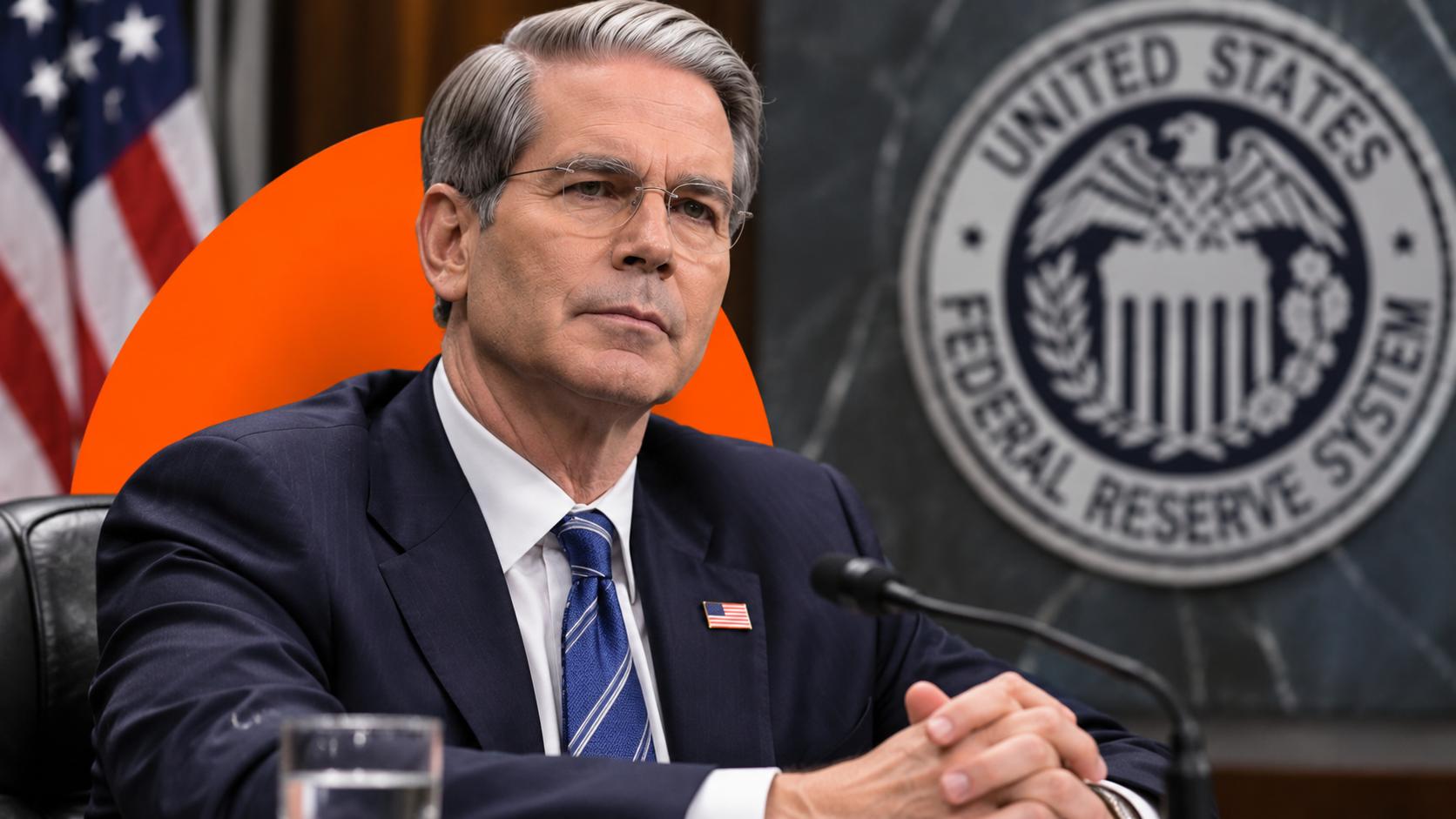
- Fed’s Warsh prioritizes a smaller balance sheet while testifying in his confirmation hearing.

The USD/CHF pair trades in a tight range around 0.7800 during the Asian trading session on Wednesday. The Swiss Franc pair consolidates as investors await remarks from Iran regarding the announcement of the ceasefire extension by the United States (US).
As of writing, the US Dollar Index (DXY), which tracks the Greenback’s value against six major currencies, holds onto Tuesday’s gains around 98.40.
Late Tuesday, US President Donald Trump announced the extension of the ceasefire for an indefinite period, through a post on Truth Socia, stating that the military department will hold their attacks on Iran until Washington receives a unified proposal.
Meanwhile, the US blockade on Iranian sea ports continues, which is one of the key reasons highlighted by Iran for not agreeing to sit down again with Washington for the resumption of peace talks. Earlier in the day, Iran has warned a powerful attack if the US continues the blockade.
On the domestic front, newly appointed Federal Reserve (Fed) Chairman Kevin Warsh has stated in his confirmation hearing that he will prioritize “smaller balance sheet”, which would mean “rates could be lower, inflation get better, economy stronger”.
US Dollar FAQs
The US Dollar (USD) is the official currency of the United States of America, and the ‘de facto’ currency of a significant number of other countries where it is found in circulation alongside local notes. It is the most heavily traded currency in the world, accounting for over 88% of all global foreign exchange turnover, or an average of $6.6 trillion in transactions per day, according to data from 2022. Following the second world war, the USD took over from the British Pound as the world’s reserve currency. For most of its history, the US Dollar was backed by Gold, until the Bretton Woods Agreement in 1971 when the Gold Standard went away.
The most important single factor impacting on the value of the US Dollar is monetary policy, which is shaped by the Federal Reserve (Fed). The Fed has two mandates: to achieve price stability (control inflation) and foster full employment. Its primary tool to achieve these two goals is by adjusting interest rates. When prices are rising too quickly and inflation is above the Fed’s 2% target, the Fed will raise rates, which helps the USD value. When inflation falls below 2% or the Unemployment Rate is too high, the Fed may lower interest rates, which weighs on the Greenback.
In extreme situations, the Federal Reserve can also print more Dollars and enact quantitative easing (QE). QE is the process by which the Fed substantially increases the flow of credit in a stuck financial system. It is a non-standard policy measure used when credit has dried up because banks will not lend to each other (out of the fear of counterparty default). It is a last resort when simply lowering interest rates is unlikely to achieve the necessary result. It was the Fed’s weapon of choice to combat the credit crunch that occurred during the Great Financial Crisis in 2008. It involves the Fed printing more Dollars and using them to buy US government bonds predominantly from financial institutions. QE usually leads to a weaker US Dollar.
Quantitative tightening (QT) is the reverse process whereby the Federal Reserve stops buying bonds from financial institutions and does not reinvest the principal from the bonds it holds maturing in new purchases. It is usually positive for the US Dollar.
Author
Sagar Dua
FXStreet
Sagar Dua is associated with the financial markets from his college days. Along with pursuing post-graduation in Commerce in 2014, he started his markets training with chart analysis.