US Dollar: Warsh tactics cloud Fed path – Commerzbank
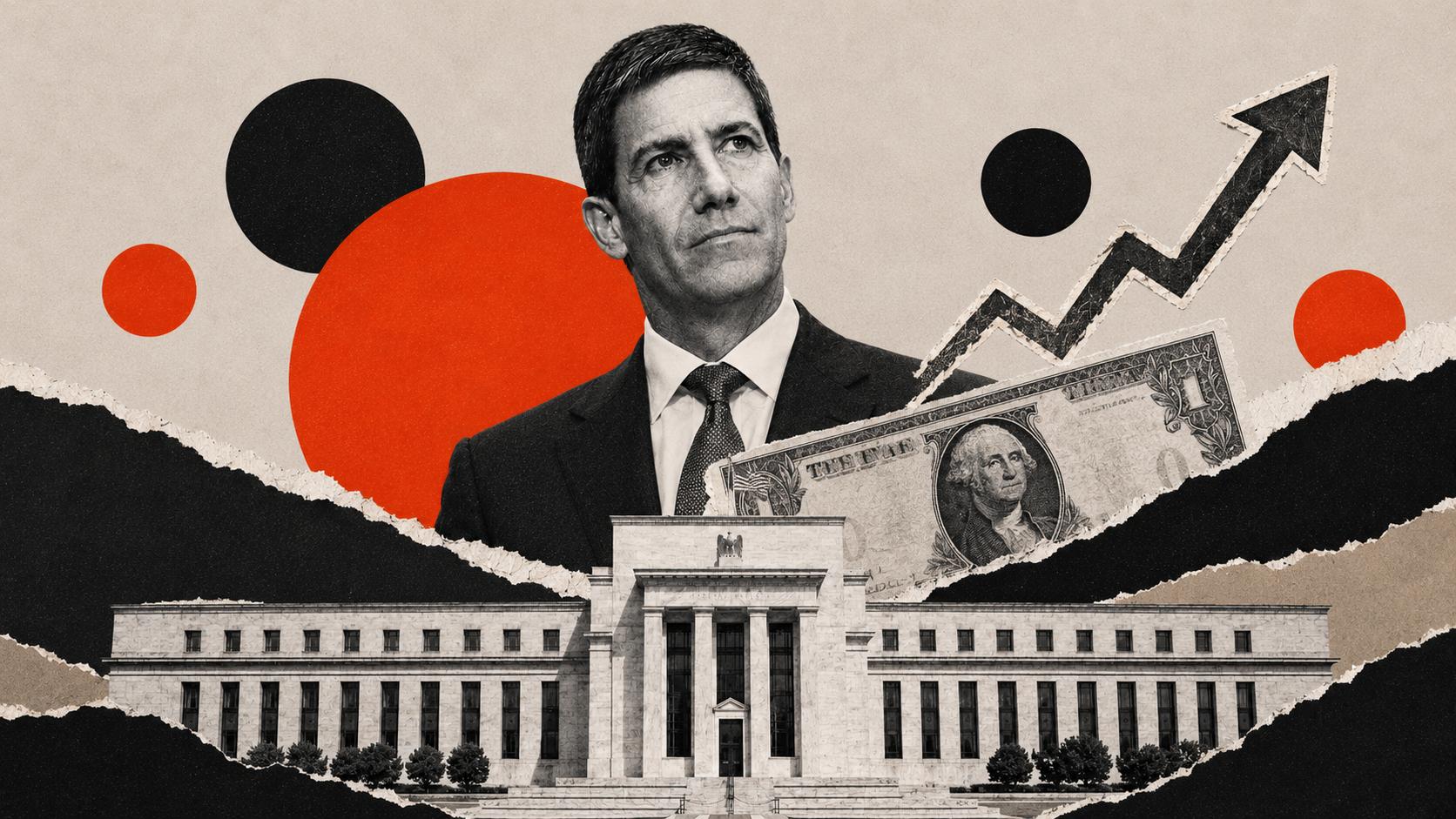
Commerzbank’s Antje Praefcke discusses how new Fed Chair Warsh may be relying on markets to tighten financing conditions instead of raising rates, leaving the Dollar exposed to data-driven volatility. She highlights risks to Fed credibility, the impact of unresolved Middle East conflict on inflation, and doubts that Warsh’s cautious, verbally hawkish stance will support the Dollar over the medium term.
Fed strategy raises Dollar risks
"If, as in the US, this [inflation] target has effectively not been met for five years and an interest rate hike fails to materialize despite sufficient reasons for one, the market will at least punish the currency. And a weaker currency, in turn, increases price risks through higher import prices."
"In the coming weeks, additional hawks join the three already evident hawks (because inflation shows no signs of easing), resulting in a majority within the FOMC in favor of rate hikes, Warsh can still shrug his shoulders at Trump and point the finger at his colleagues on the FOMC - who are eager to raise the benchmark interest rate - while keeping himself on the sidelines and thus out of the president’s line of fire."
"Presumably, only then will we see whether Warsh is a dove in hawk’s plumage and, in hindsight, why he remained cautious this summer - despite the price risks - about making clear statements on interest rate hikes, let alone taking action. That ultimately, he might have tried to sit out the period of heightened price risks caused by the Middle East conflict without raising interest rates but with hawkish assurances, in order to accommodate all sides: US President Trump, who does not want an interest rate hike, as well as his own duty as a central banker to combat inflation risks despite his dovish stance (even if this involves unusual measures, such as using the market as a tool)."
"Against this backdrop, first tier data such as Friday’s non-farm payrolls - are important and could cause more movement in the USD; after all, it is now quite clearly the market’s job to assess the data, interpret it in the context of monetary policy, and adjust yields accordingly. I agree with Thu Lan: this could therefore lead to increased volatility in the dollar."
"I am not convinced that such an approach by Warsh will benefit the dollar in the medium to long term. Quite the contrary."
(This article was created with the help of an Artificial Intelligence tool and reviewed by an editor. Know more.)
Author

FXStreet Insights Team
FXStreet
The FXStreet Insights Team is a group of journalists that handpicks selected market observations published by renowned experts. The content includes notes by commercial as well as additional insights by internal and external analysts.














