US Dollar: Warsh speech risks asymmetric USD reaction – Commerzbank
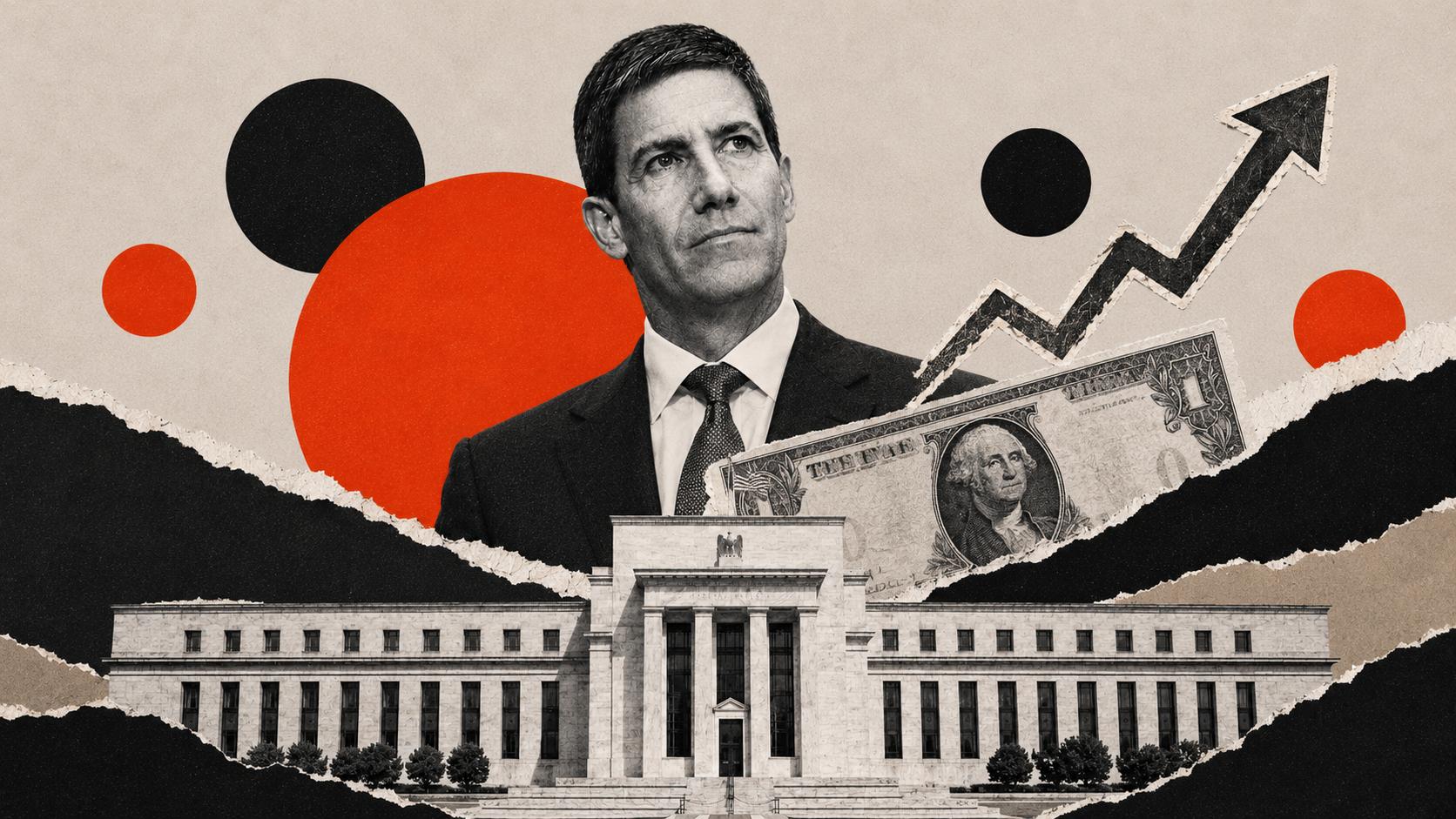
Commerzbank’s Volkmar Baur notes the US Dollar has stabilized after last week’s setback, with Kevin Warsh’s Jackson Hole speech seen as the next key test. Baur expects little in terms of forward guidance on a September rate hike but highlights potential discussion of changing the Fed’s inflation measure away from the PCE deflator, which could be read as dovish for the Dollar.
Warsh guidance and inflation target risks
"After the setback at the end of last week, the US dollar stabilized this week and managed to appreciate slightly against the euro as well as most other currencies. Today, however, brings the next test: Kevin Warsh’s speech in Jackson Hole."
"For the markets, two things in particular are likely to be the focus: First, how clearly he speaks regarding a possible interest rate hike in September. And second, whether he hints that the Fed might, as part of the five working groups, change the specific figure to which the Fed’s inflation target refers."
"Such a hint would likely nip rate hike expectations in the bud and be interpreted by the market as a dovish signal. The US dollar could come under pressure as a result. The starting point for the US dollar today is therefore somewhat asymmetrical."
"The second point is quite interesting. For even though Warsh has repeatedly emphasized in recent weeks that the Fed’s 2% target is non-negotiable, he has never explicitly mentioned the PCE deflator in this context. It could therefore be that the Fed is at least considering applying a different measure of inflation. In this context, the Dallas Fed’s Trimmed Mean Inflation has been mentioned repeatedly in recent weeks. And for the moment, this looks significantly better than the PCE deflator"
"While I consider a hawkish surprise hinting at an interest rate hike unlikely, it would certainly provide significant support for the US dollar. Statements regarding a shift away from the PCE deflator, on the other hand, would likely have a less pronounced immediate impact."
(This article was created with the help of an Artificial Intelligence tool and reviewed by an editor. Know more.)
Author

FXStreet Insights Team
FXStreet
The FXStreet Insights Team is a group of journalists that handpicks selected market observations published by renowned experts. The content includes notes by commercial as well as additional insights by internal and external analysts.
















