|

US Dollar: Restrictive Fed backdrop supports gains – BBH
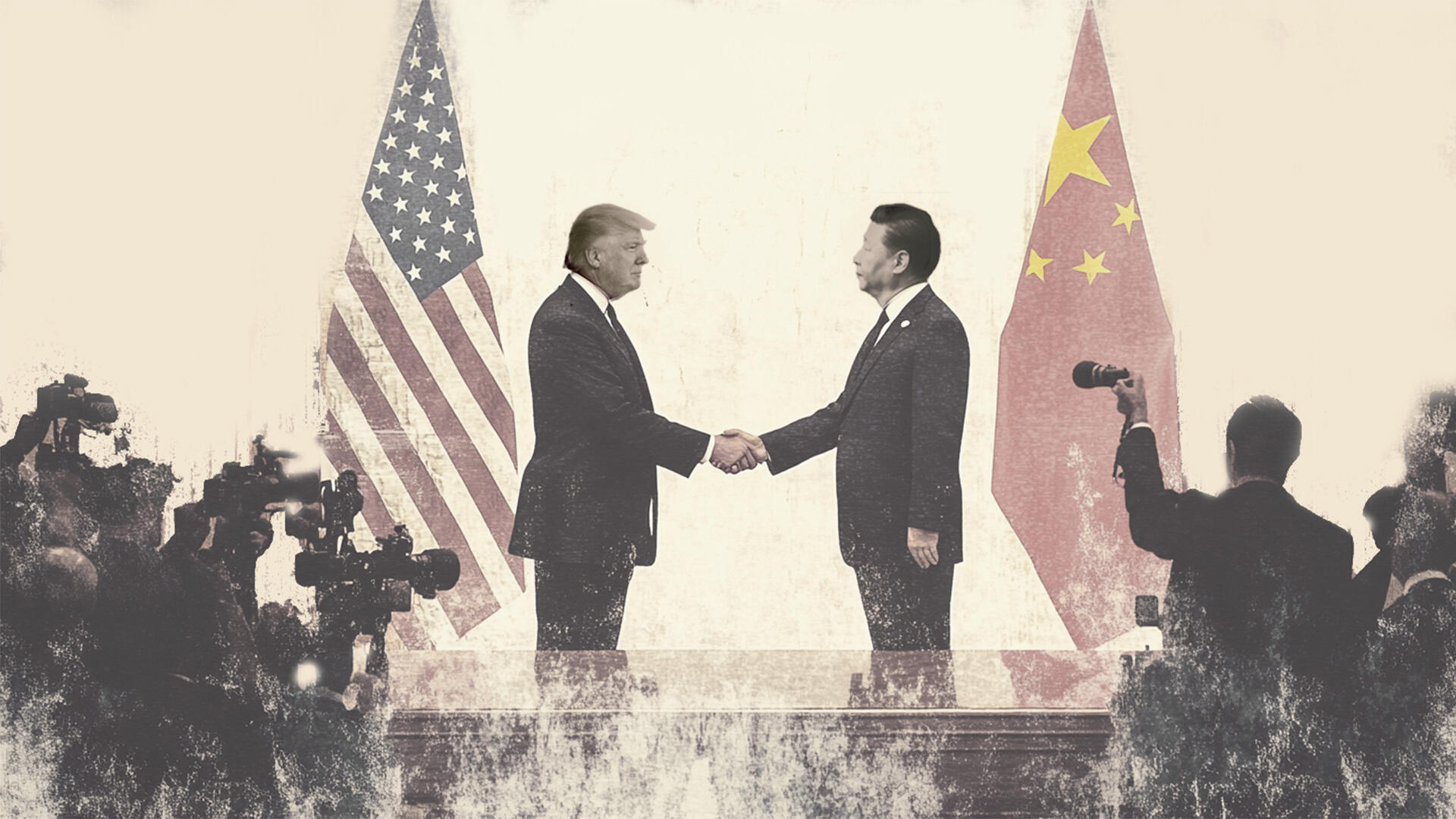
Brown Brothers Harriman’s (BBH) Elias Haddad notes the US Dollar (USD) is strengthening as firm Oil prices lift bond yields and weigh on equities, while the US-China summit delivered only marginal diplomatic progress. Haddad argues the United States (US) macro backdrop points to a more restrictive Federal Reserve (Fed), with resilient consumption and strong GDPNow estimates underpinning USD support over the coming months.

Restrictive Fed narrative underpins Dollar

"USD is powering forward against most currencies. Firmer crude oil prices are pushing bond yields higher and weighing on equities."

"The US-China summit concluded with marginal diplomatic breakthrough. On trade, the relationship between the two countries has shifted from de-escalation to “constructive strategic stability”, as Chinese President Xi Jinping put it."

"The US macro backdrop argues for a more restrictive Fed which is USD supportive. The underlying disinflationary trend has stalled, the labor market is stabilizing, and consumer spending is resilient."

"Nevertheless, US real personal consumption expenditure (PCE) has been resilient, contributing to half the 2% annualized real GDP growth over Q1. Going forward, the latest Atlanta Fed GDPNow model estimates annualized real GDP growth of 4.0% in Q2 (up from 3.8% previously) with PCE again driving nearly half that expansion (+1.87ppt)."

"The US swaps curve has adjusted higher in favor of USD, pricing in 35bps of hikes in the next twelve months, up from 25bps earlier this week. Today’s US April industrial production data is unlikely to shift the dial on rate expectations (2:15pm London, 9:15am New York)."

(This article was created with the help of an Artificial Intelligence tool and reviewed by an editor.)

Author

FXStreet Insights Team

The FXStreet Insights Team is a group of journalists that handpicks selected market observations published by renowned experts. The content includes notes by commercial as well as additional insights by internal and external analysts.


More from FXStreet Insights Team
Share:

Editor's Picks

AUD/USD struggles below 0.7100, lowest since August 4 amid bullish USD

AUD/USD remains depressed below 0.7100 at the start of a new week, trading near its lowest level since August 4 amid a bullish US Dollar. US bond yields hold near multi-year highs amid inflation risks from higher oil prices and rising bets on a Fed rate hike in October. This, along with the US-Iran standoff, continues to underpin the safe-haven buck and weigh on the currency pair as traders now look to the RBA policy meeting on Tuesday.

USD/JPY climbs back to 157.75 after BoJ minutes amid firm USD

USD/JPY attracts some dip-buyers at the start of a new week, reversing part of Friday's slide driven by speculation that authorities will step in again to prop up the Japanese Yen. However, the BoJ's relative dovish-leaning tone caps the JPY. Meanwhile, the US Dollar regains traction as the US-Iran standoff supports crude oil prices, fueling inflation fears and reaffirming bets for an October Fed rate hike. This further support the pair.

Gold hangs near monthly low, around $4,250 as Fed hike bets and Iran risks underpin USD

Gold attracts fresh sellers at the start of a new week, sliding back closer to $4,250 and the lower boundary of the monthly range amid a bearish fundamental backdrop. Firming October Fed rate-hike bets, along with oil-driven inflation risks, keep US bond yields elevated near multi-year highs, helping the US Dollar regain positive traction and undermining the non-yielding bullion. Bears, however, await weakness below $4,235 before placing fresh bets.

Week ahead: Rate hike bets face a crucial data week
Despite the solid drop from the mid-September high, oil prices remained in the driver’s seat for another week, setting the tone in financial markets. Six months have passed since the late-February start of the US-Iran conflict, and there is still no breakthrough in the stalled talks, despite pressure from regional leaders and the rest of the world.
After the Trump Xi summit, markets are trading three clocks
The summit delivered time, not a deal. Trade, oil and chips now each run to a date, and the macro backdrop matters more than the pageantry. Markets wanted a deal and got a calendar date instead. Xi Jinping left Washington on Friday after tea at the White House and a tour of the National Archives.
Fed vs BoJ: Both hiked. The market only believes one of them – and the chart shows which

The Fed and the BoJ have just done something remarkably similar. Both central banks raised interest rates by 25 bps last week, both are confronting inflation risks, and both signal that future decisions will depend on incoming economic data.