US Dollar: Debasement narrative caps upside – OCBC
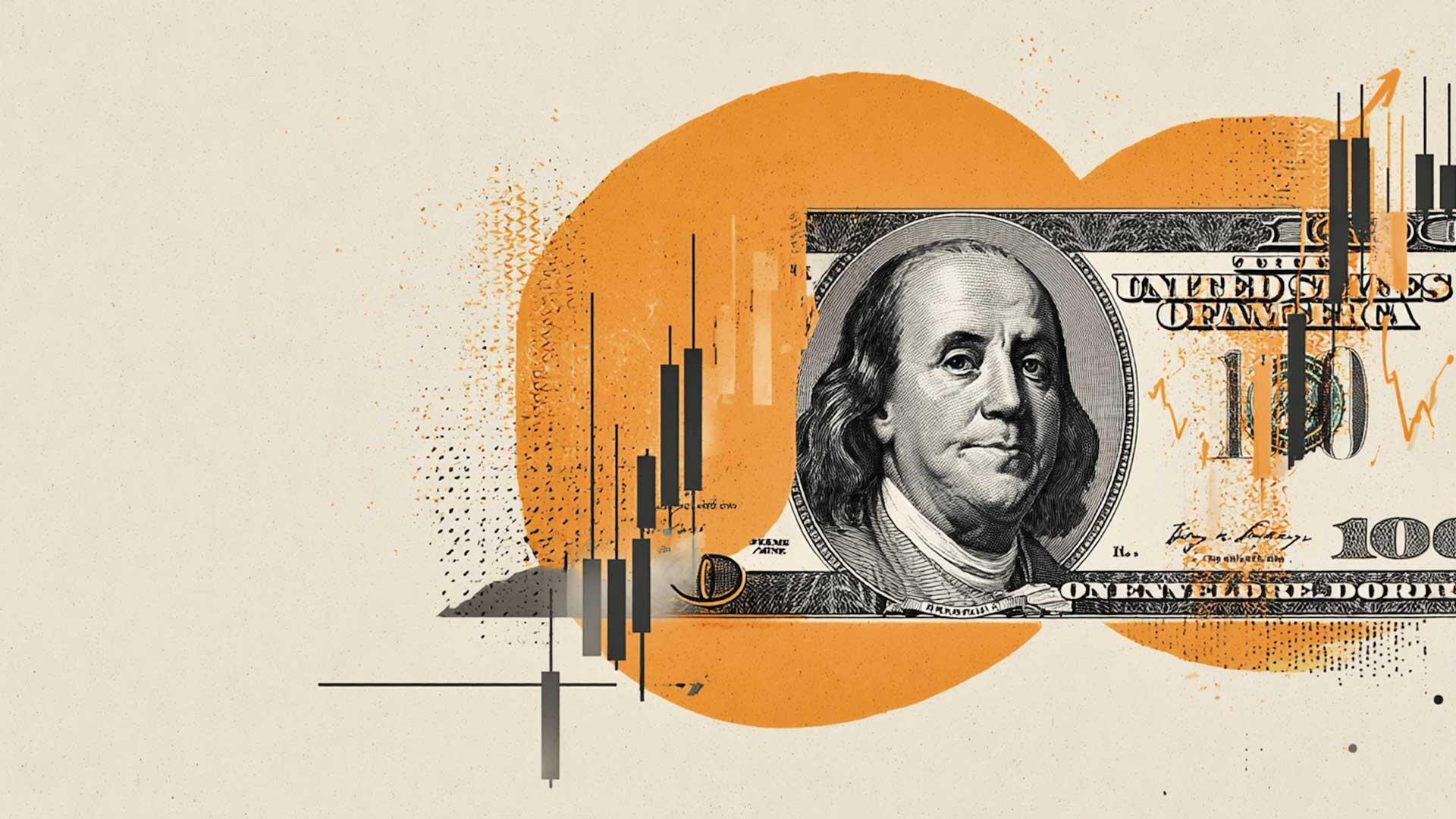
OCBC’s Sim Moh Siong and Christopher Wong note that the US Treasury’s expanded long-end buyback programme has revived market fears of Dollar debasement, driving a weaker USD, stronger Gold and higher breakevens. They stress this is not classic QE, but highlight rising US policy uncertainty, questions over Fed independence and Jackson Hole risks as key constraints on the Dollar outlook.
Debasement fears weigh on Dollar
"USD debasement has re-emerged as a market theme after the US Treasury unexpectedly expanded its long-end buyback programme, signalling discomfort with the recent rise in long-dated yields."
"The resulting unwind of US steepener positions has likely reinforced other debasement trades, including a weaker USD, a rebound in gold and higher US inflation breakevens."
"Several factors help explain why the buyback announcement has reignited debasement concerns. However, the view that larger buybacks amount to quantitative easing appears misplaced. The Treasury is purchasing longer-dated bonds while effectively funding the operation through increased Treasury bill issuance, rather than expanding the money supply."
"Second, investors appear increasingly uneasy with what they see as a more activist Treasury. The timing of the buyback announcement, together with the earlier intervention in EURJPY, departs from the Treasury's long-standing commitment to a "regular and predictable" approach. Rising concerns over US policy uncertainty are typically USDnegative"
"Third, markets are questioning whether the Fed could face pressure to keep rates lower than otherwise warranted in order to contain government financing costs, rather than focusing solely on inflation and employment objectives. Uncertainty around the Fed's reaction function and growing doubts about its willingness to prioritise inflation have sharpened focus on Chair Warsh's Jackson Hole remarks. The USD could face further downside if Chair Warsh and other Fed officials fail to push back against growing debasement concerns."
"Renewed policy uncertainty is constraining the scope for USD gains and puts our moderately constructive USD view over the next one to two quarters at risk. That said, rising real yields, driven by AI-related investment demand competing with heavy government borrowing, remain consistent with a resilient US economy. This should limit the risk of an overly dovish Fed and help contain USD downside. For now, we prefer to remain neutral on the USD rather than chase the latest bout of USD weakness."
(This article was created with the help of an Artificial Intelligence tool and reviewed by an editor. Know more.)
Author

FXStreet Insights Team
FXStreet
The FXStreet Insights Team is a group of journalists that handpicks selected market observations published by renowned experts. The content includes notes by commercial as well as additional insights by internal and external analysts.