|

United States Dollar: Warsh guidance shapes dollar outlook – MUFG
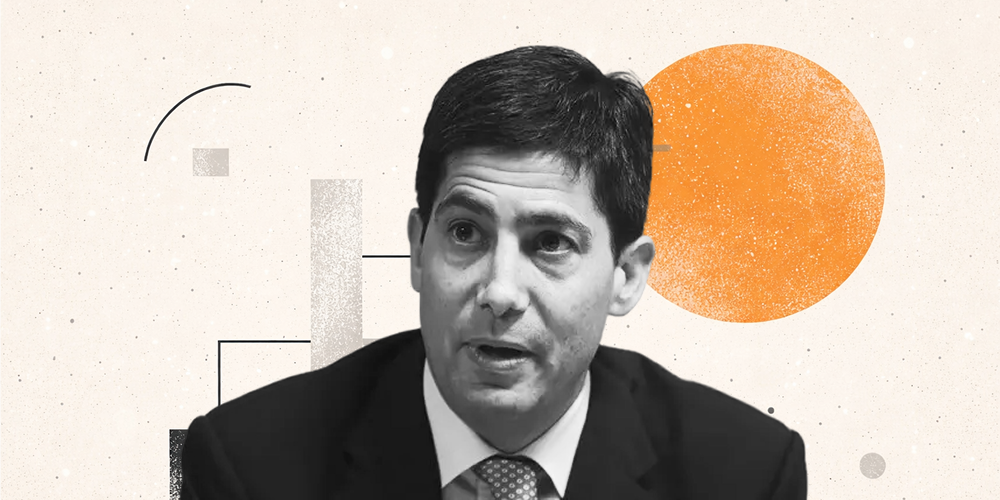
MUFG’s Derek Halpenny highlights that Fed Chair Kevin Warsh’s first post-FOMC press conference comes as Brent Oil has dropped sharply, easing near-term inflation risks but not eliminating them. The bank expects the Fed to keep rates unchanged while likely removing the 2026 rate cut from the median dots and dropping the easing bias from the statement, a combination seen as broadly supportive for the Dollar.

Fed dots and guidance in focus

"But this doesn’t imply Fed Chair Warsh will be dovish this evening and inflation risks are likely still a concern."

"A number of the other FOMC members will certainly be still more concerned over inflation risks than at the last SEPs update in March and hence, we will likely see the one rate cut for this year implied by the median dots in March being removed."

"The statement is very likely to show the removal of the implied easing bias with the removal of the word “additional” referring to adjustments to the fed funds target range which would signal the view of the FOMC that the next move could be a hike or a cut."

"Warsh is likely to signal that the policy stance is currently appropriate and given the changes to the statement and the SEPs is likely to be more hawkish, he may be reluctant to push a dovish view at this juncture."

"Still, the large drop in energy prices could well allow him leeway to emphasise the importance of looking through energy price shocks that could help pressure front-end rates and the dollar lower."

(This article was created with the help of an Artificial Intelligence tool and reviewed by an editor.)

Author

FXStreet Insights Team

The FXStreet Insights Team is a group of journalists that handpicks selected market observations published by renowned experts. The content includes notes by commercial as well as additional insights by internal and external analysts.


More from FXStreet Insights Team
Share:

Editor's Picks

Japanese Yen gains ground as traders await Fed rate decision

The USD/JPY pair loses ground to near 160.25 during the early European trading hours. Traders prefer to wait on the sidelines ahead of the US Federal Reserve interest rate decision under new Chair Kevin Warsh later on Wednesday.

AUD/USD stays pressured; holds above 0.7050 as traders await Fed decision

The AUD/USD pair struggles to capitalize on the previous day's hawkish Reserve Bank of Australia-inspired bounce and trades with a negative bias for the second consecutive day on Wednesday. Spot prices, however, hold above the 0.7050 level as traders opt to wait for the outcome of a two-day FOMC policy meeting before placing fresh directional bets.

Gold remains depressed but holds above $4,300 as traders seem hesitant ahead of Fed

Gold remains on the back foot heading into the European session, though it lacks follow-through selling and holds comfortably above the $4,300 mark. Traders now seem hesitant ahead of the highly anticipated FOMC policy decision, keeping the commodity below the weekly high.

DOGE near breakout, SHIB at its ceiling and PEPE leads meme coin recovery

Meme coins are approaching a key technical level, which could determine the next directional bias. Dogecoin struggles to overcome a major resistance level, and Shiba Inu recovery lost momentum near a crucial barrier. Meanwhile, Pepe extends its rally for a sixth straight day, raising the prospects of further upside if momentum persists.

Federal Reserve set to hold interest rates in Warsh's debut as chair

The United States Federal Reserve announces its interest rate decision on Wednesday, another pivotal meeting for markets to gauge the stance of policymakers and new Chair Kevin Warsh as energy prices retreat after the United States and Iran reached a framework deal to reopen the Strait of Hormuz.

Why a hawkish RBA is no longer enough to lift the Australian Dollar

The Reserve Bank of Australia delivered more than what markets expected: a hawkish hold that should have supported the Aussie. But markets widely ignored it, focusing instead on slowing economic growth and proving that central bank messaging alone isn’t always enough to drive currencies.














