UK inflation cools and fiscal concerns grow: Why the British Pound is surrendering recent gains
The British Pound (GBP) is facing renewed downward pressure across major currency pairs, forfeiting its recent gains as market participants digest a combination of cooling domestic inflation and growing fiscal uncertainty surrounding Prime Minister Andy Burnham’s economic agenda.
While softer price pressures offer welcome news for UK consumers, they also temper expectations for aggressive Bank of England (BoE) interest rate hikes, weighing on the Pound. Simultaneously, cost-of-living relief proposals have reignited long-term debt sustainability fears.
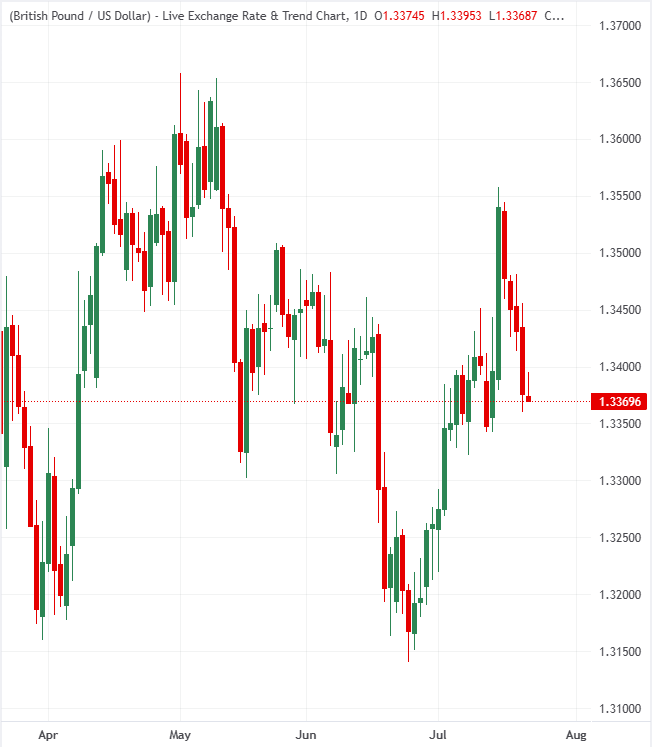
Softening inflation remove hawkish pressure from the Bank of England
Macro economists at ING emphasize that despite a slightly elevated core inflation reading, the underlying trajectory of UK price pressures is distinctly disinflationary. A second consecutive monthly decline in food prices combined with falling petrol costs presents a favorable backdrop for consumer inflation expectations. Crucially, the BoE's preferred core services metric slowed from 3.8% to 3.6%, signaling that domestic price drivers are easing and dampening the necessity for further rate hikes by the Bank of England.
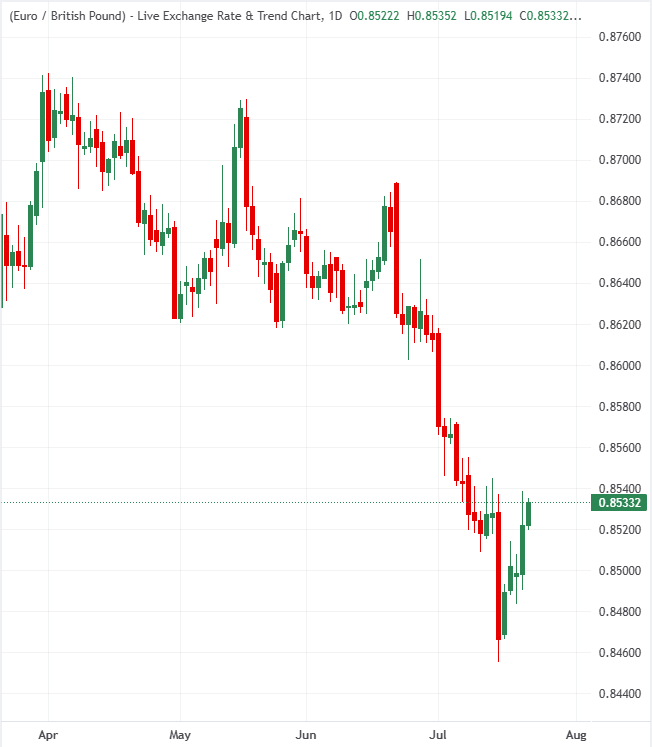
The trend looks good, and together with low private-sector wage growth, suggests domestically-generated inflation is benign right now (...) Sterling is a little weaker on the data and EUR/GBP may well have put in a significant low at 0.8455 last week.
Cost-of-living relief measures reignite UK debt sustainability worries
Market strategists at Commerzbank warn that early optimism surrounding Prime Minister Burnham’s administration has rapidly given way to fiscal anxiety. Details of Burnham's agenda to lower the cost of living (including temporary VAT cuts on electricity bills, higher personal tax allowances, and expanded social housing) have raised immediate questions regarding funding, given the absence of corresponding tax increases. This fiscal gap has triggered concerns over long-term UK sovereign debt, completely reversing Sterling's recent advance against the Euro.
"At the very least, Burnham’s promise of a ‘new economic model’ for the UK does not suggest that he will shy away from major measures. This, in turn, entails considerable risks for an already fragile market sentiment. Pound investors may face a volatile period."
Banks anticipate a volatile trajectory for British Pound
The banks project a soft and volatile near-term trajectory for the British Pound. ING suggests that the combination of benign domestic inflation and slowing private-sector wage growth will keep Sterling on the back foot, establishing 0.8455 as a potential key structural floor for EUR/GBP. Meanwhile, Commerzbank cautions that until the government presents a clear, credible blueprint to balance fiscal sustainability with economic growth, Sterling will remain vulnerable to sudden sentiment shifts and elevated volatility.
(This article was created with the help of an Artificial Intelligence tool and reviewed by an editor. Know more.)
Author

FXStreet Insights Team
FXStreet
The FXStreet Insights Team is a group of journalists that handpicks selected market observations published by renowned experts. The content includes notes by commercial as well as additional insights by internal and external analysts.

















