S&P 500 dips under 4,600, eyes December lows, as Fed tightening fears provoke further selling
- The S&P 500 has dipped under 4,600 and is down another more than 1.5% as the equity downturn continues.
- Concerns about Fed tightening and higher US bond yields continue to be the main driver of the selling.
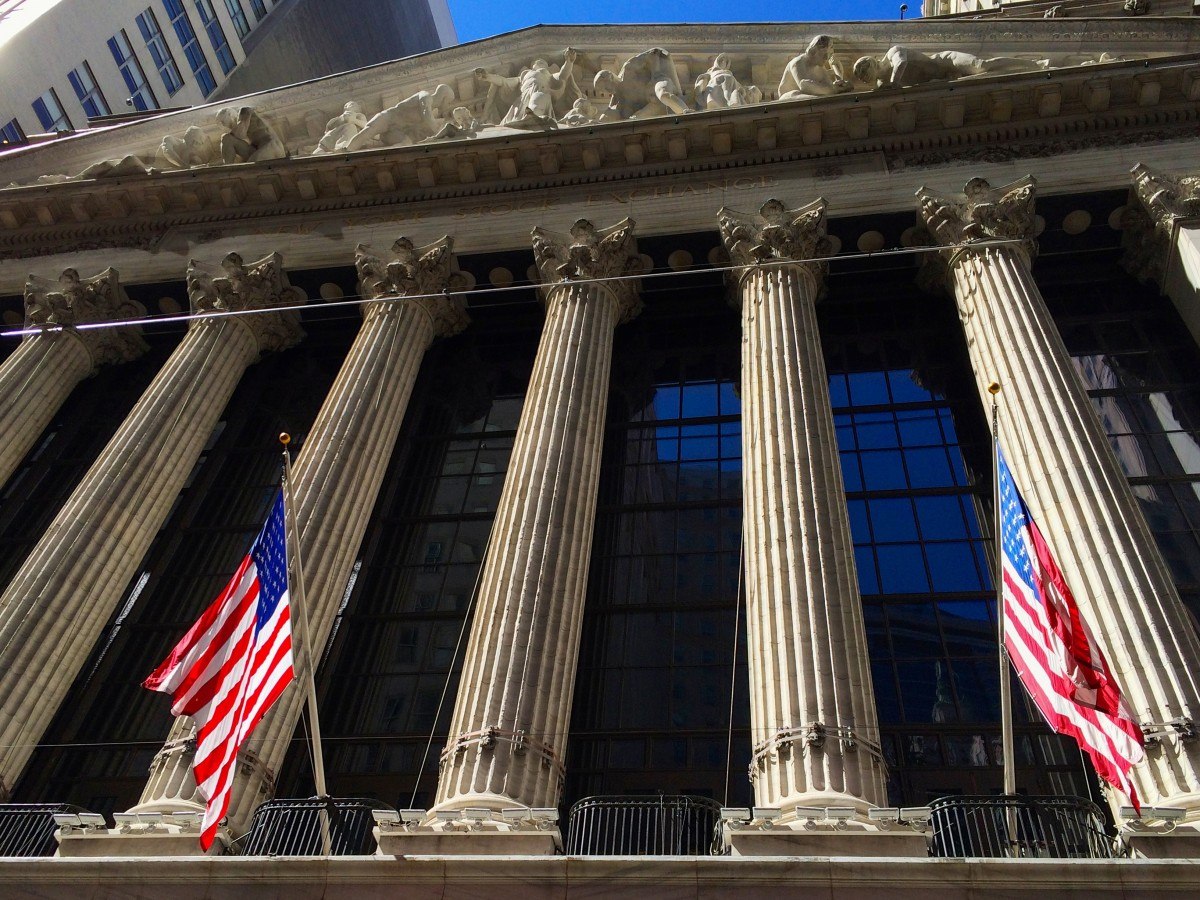
The equity bears have picked up where they left off last week, with US equity markets back under severe pressure on Monday shortly after the US open. The S&P 500 index, the futures of which were trading about 0.5% before the US session began, has accelerated to the downside in recent trade. The index recently dipped below the 4,600 level. Bears will be looking for a test of the late-December lows in the 4,530s and below that a test of the early December lows at 4,500.
There hasn’t been much by the way of fresh fundamentals to drive the downside, which instead seems driven by a continuation of some of the bearish themes that were at play last week. Chief among them is concern about the expected accelerated pace of Fed monetary tightening in 2020 that was initially triggered in wake of last week’s Fed minutes – recall that the minutes showed that FOMC participants agreed that rate hikes would soon be warranted to combat inflation so long as the labour market continues to tighten and progress.
Last Friday’s December US jobs report showed that it did both of those things, with a further 200K jobs added and the unemployment rate dropping under 4.0% for the first time since onset of the pandemic. Thus, the report has been widely interpreted as endorsing a potential Fed rate hike as soon as March and a prompt start to quantitative tightening soon after. This has led to a chorus of institutions/analysts publically revising their Fed policy calls in a more hawkish direction. Long-term bond yields continue to march higher, with the US 10-year above the key 1.80% level, which once cleared, should open the door to a run at 2.0%.
Higher long-term yields are having their usual impact on different equity sectors, with growth/big-tech stocks underperforming amid their greater sensitivity to the higher opportunity cost that higher yields represent. The tech-heavy Nasdaq 100 is down over 2.0% and has now cratered below December lows in the 15.5K area to trade in the 15.2Ks. Value/cyclical stocks that have a tighter correlation to the economy’s underlying performance and tend to perform better in an environment of rising rates are holding up better. The Dow, which is higher weighting towards these sectors, is by comparison down under 1.5% to trade close to 35.75K after it lost the 36.0K level shortly after the open.
The Fed tightening story will receive further inputs this week with a heavy slate of Fedspeak on the calendar, including nomination hearings for Fed Chair Jerome Powell and Vice-Chair Lael Brainard. Meanwhile, what analysts expect to be a very hot December US Consumer Price Inflation report on Wednesday is likely to increase the inflation discomfort being felt at the Fed ahead of its 26 January meeting. If the net result of all this is a further increase in hawkish Fed bets coupled with further upside in US bond yields, that would likely mean that Monday’s equity market downslide is just the beginning of what could be a very rough week. Dip buying has been a profitable strategy in the post-pandemic world, but its future reliability is in serious doubt as the Fed removes the monetary coolaid so supportive of equities in recent years.
Author

Joel Frank
Independent Analyst
Joel Frank is an economics graduate from the University of Birmingham and has worked as a full-time financial market analyst since 2018, specialising in the coverage of how developments in the global economy impact financial asset