SNB’s Martin: Closely watching for second-round inflation effects

The Swiss National Bank (SNB) Vice Chairman Antoine Martin said on Sunday that the central bank is paying close attention to potential second-round effects from accelerating inflation ahead of its next monetary policy decision, Reuters reported.
Martin added inflation had continued to rise since the bank's last policy decision and that the SNB was monitoring developments closely.
Key quotes
Here in Switzerland, inflation has remained within the stability range since the summer of 2023.
But we are monitoring the situation closely. Since the last assessment of the economic and monetary situation, inflation has continued to rise, both internationally and in Switzerland.
Switzerland differs from other major currency areas, where inflation is well above 2%, sometimes fueled by rising energy prices.
We are paying particular attention to possible second-round effects. For December, everything will depend on our assessment at that time.
Market reaction
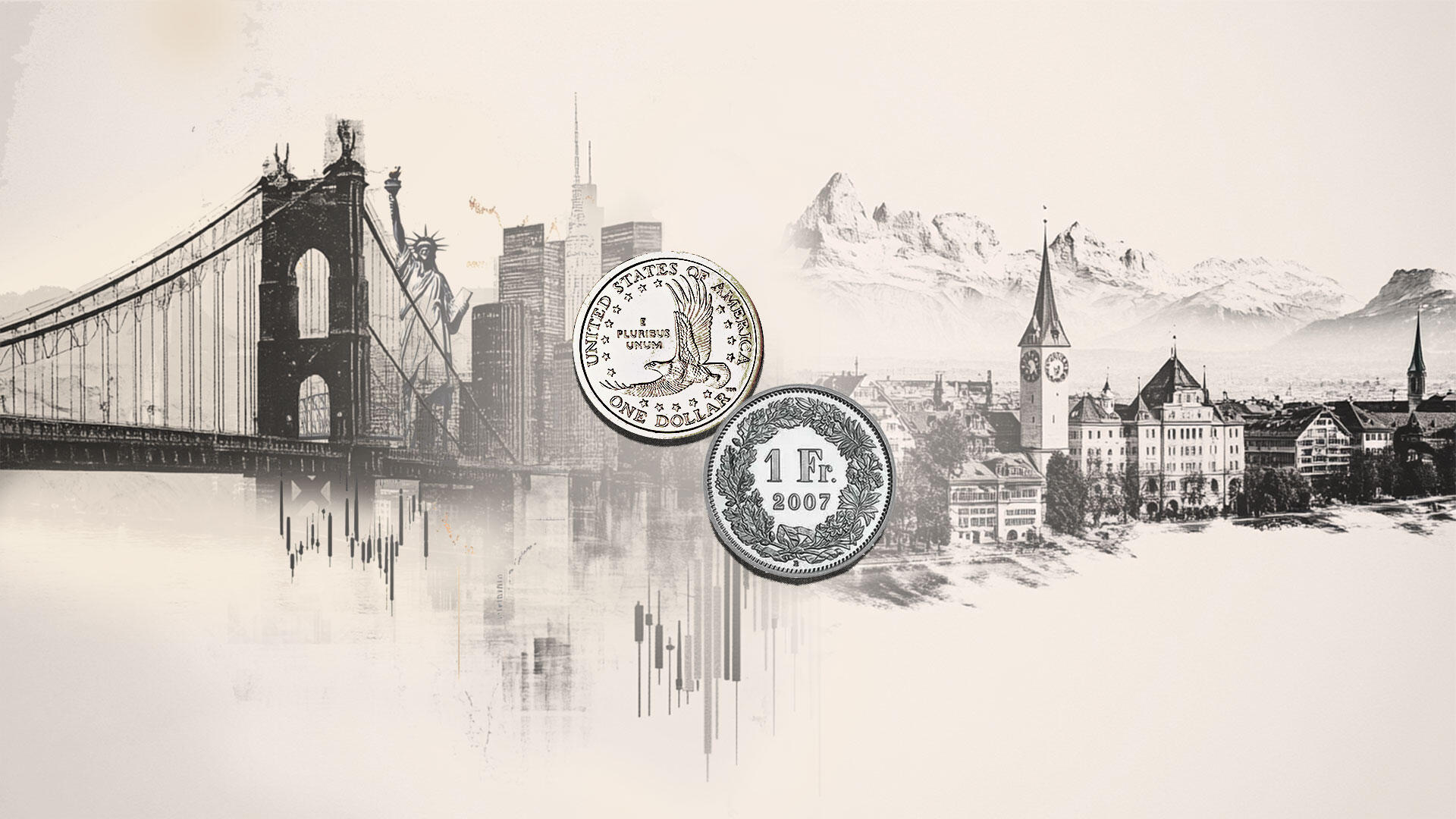
No impact of SNB Martin's comments was seen on the Swiss Franc (CHF). At press time, USD/CHF trades 0.11% higher at around 0.8405.
SNB FAQs
The Swiss National Bank (SNB) is the country’s central bank. As an independent central bank, its mandate is to ensure price stability in the medium and long term. To ensure price stability, the SNB aims to maintain appropriate monetary conditions, which are determined by the interest rate level and exchange rates. For the SNB, price stability means a rise in the Swiss Consumer Price Index (CPI) of less than 2% per year.
The Swiss National Bank (SNB) Governing Board decides the appropriate level of its policy rate according to its price stability objective. When inflation is above target or forecasted to be above target in the foreseeable future, the bank will attempt to tame excessive price growth by raising its policy rate. Higher interest rates are generally positive for the Swiss Franc (CHF) as they lead to higher yields, making the country a more attractive place for investors. On the contrary, lower interest rates tend to weaken CHF.
Yes. The Swiss National Bank (SNB) has regularly intervened in the foreign exchange market in order to avoid the Swiss Franc (CHF) appreciating too much against other currencies. A strong CHF hurts the competitiveness of the country’s powerful export sector. Between 2011 and 2015, the SNB implemented a peg to the Euro to limit the CHF advance against it. The bank intervenes in the market using its hefty foreign exchange reserves, usually by buying foreign currencies such as the US Dollar or the Euro. During episodes of high inflation, particularly due to energy, the SNB refrains from intervening markets as a strong CHF makes energy imports cheaper, cushioning the price shock for Swiss households and businesses.
The SNB meets once a quarter – in March, June, September and December – to conduct its monetary policy assessment. Each of these assessments results in a monetary policy decision and the publication of a medium-term inflation forecast.
Author
Lallalit Srijandorn
FXStreet
Lallalit Srijandorn is a Parisian at heart. She has lived in France since 2019 and now becomes a digital entrepreneur based in Paris and Bangkok.