Silver slips below $66 as strong NFP report revives Fed rate hike bets
- Silver falls nearly 0.8% on Monday, weighed down by renewed expectations of monetary tightening in the United States.
- The strong US employment report supports the US Dollar and puts pressure on precious metals.
- Geopolitical tensions keep safe-haven demand alive, while attention turns to US inflation data.
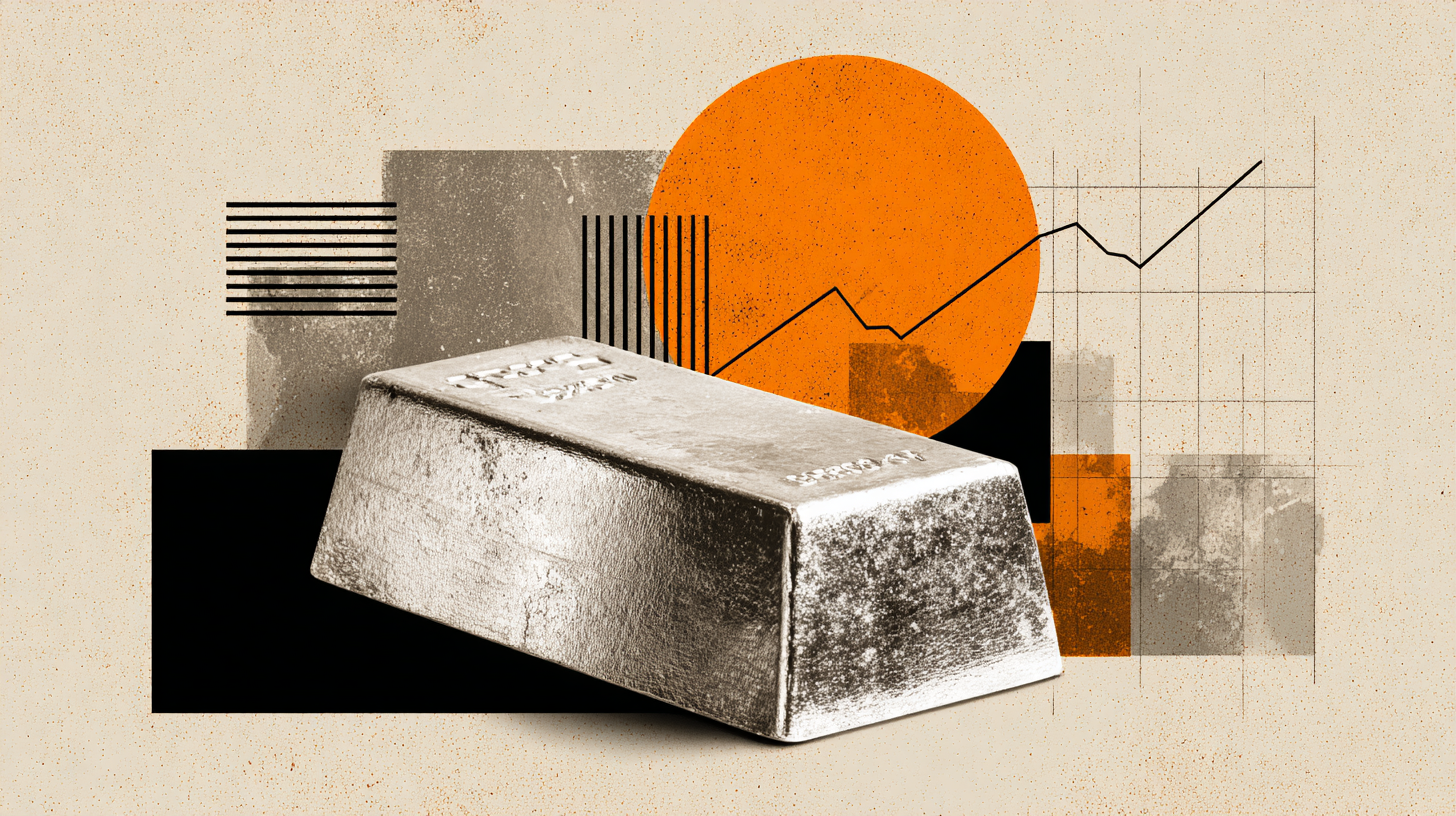
Silver (XAG/USD) trades under pressure on Monday, falling 0.79% on the day to around $65.70 at the time of writing. The white metal is feeling the impact of the strong US employment report, which has revived expectations of an interest rate hike by the Federal Reserve (Fed) and supports the US Dollar (USD).
The Nonfarm Payrolls (NFP) report released on Friday showed that the US economy added 162K jobs in August, well above the market consensus of 56K. The Unemployment Rate remained unchanged at 4.1%, in line with expectations, while annual Average Hourly Earnings growth eased slightly to 3.1% from 3.2% previously.
These figures reinforce the view that the US labor market remains strong enough to allow the Fed to maintain a restrictive monetary policy stance. Inflation risks stemming from higher energy prices are also contributing to expectations of a potential interest rate hike as soon as the central bank's next meeting.
The prospect of higher US interest rates is a negative factor for Silver, which does not offer any yield. At the same time, it provides support to the US Dollar, making the precious metal more expensive for investors using other currencies.
However, expectations of monetary tightening remain dependent on incoming data. Fed Governor Christopher Waller said on Thursday that he would favor keeping interest rates unchanged if upcoming indicators confirmed that inflationary pressures were easing.
Investors' attention therefore turns to the US Producer Price Index (PPI) and Consumer Price Index (CPI), due on Thursday and Friday, respectively. These releases should provide fresh clues about the inflation trajectory and could play a key role in shaping expectations for the Fed's next policy decision.
Meanwhile, escalating tensions between the US and Iran in the Strait of Hormuz keep a geopolitical risk premium embedded in financial markets. US forces struck three Iranian Oil tankers on Saturday, while Iran's Islamic Revolutionary Guard Corps said it had targeted six vessels in retaliation.
The exchange of attacks is fueling concerns over the security of shipping through the strategic waterway and the risk of prolonged disruptions to energy supplies from the Middle East. This backdrop supports energy prices and reinforces inflation risks, potentially keeping expectations of restrictive Fed monetary policy elevated.
Geopolitical tensions could nevertheless limit Silver's downside by simultaneously fueling demand for safe-haven assets. The white metal therefore remains caught between potential support from defensive flows and pressure from higher US interest rate expectations and a stronger US Dollar.
Silver FAQs
Silver is a precious metal highly traded among investors. It has been historically used as a store of value and a medium of exchange. Although less popular than Gold, traders may turn to Silver to diversify their investment portfolio, for its intrinsic value or as a potential hedge during high-inflation periods. Investors can buy physical Silver, in coins or in bars, or trade it through vehicles such as Exchange Traded Funds, which track its price on international markets.
Silver prices can move due to a wide range of factors. Geopolitical instability or fears of a deep recession can make Silver price escalate due to its safe-haven status, although to a lesser extent than Gold's. As a yieldless asset, Silver tends to rise with lower interest rates. Its moves also depend on how the US Dollar (USD) behaves as the asset is priced in dollars (XAG/USD). A strong Dollar tends to keep the price of Silver at bay, whereas a weaker Dollar is likely to propel prices up. Other factors such as investment demand, mining supply – Silver is much more abundant than Gold – and recycling rates can also affect prices.
Silver is widely used in industry, particularly in sectors such as electronics or solar energy, as it has one of the highest electric conductivity of all metals – more than Copper and Gold. A surge in demand can increase prices, while a decline tends to lower them. Dynamics in the US, Chinese and Indian economies can also contribute to price swings: for the US and particularly China, their big industrial sectors use Silver in various processes; in India, consumers’ demand for the precious metal for jewellery also plays a key role in setting prices.
Silver prices tend to follow Gold's moves. When Gold prices rise, Silver typically follows suit, as their status as safe-haven assets is similar. The Gold/Silver ratio, which shows the number of ounces of Silver needed to equal the value of one ounce of Gold, may help to determine the relative valuation between both metals. Some investors may consider a high ratio as an indicator that Silver is undervalued, or Gold is overvalued. On the contrary, a low ratio might suggest that Gold is undervalued relative to Silver.
Author

Ghiles Guezout
FXStreet
Ghiles Guezout is a Market Analyst with a strong background in stock market investments, trading, and cryptocurrencies. He combines fundamental and technical analysis skills to identify market opportunities.