Silver price weakens as fragile momentum, hawkish Fed outlook cap upside
- Silver declines even as the US Dollar eases slightly.
- Higher-for-longer rate expectations continue to limit upside potential.
- Silver remains more vulnerable than Gold amid fragile momentum.
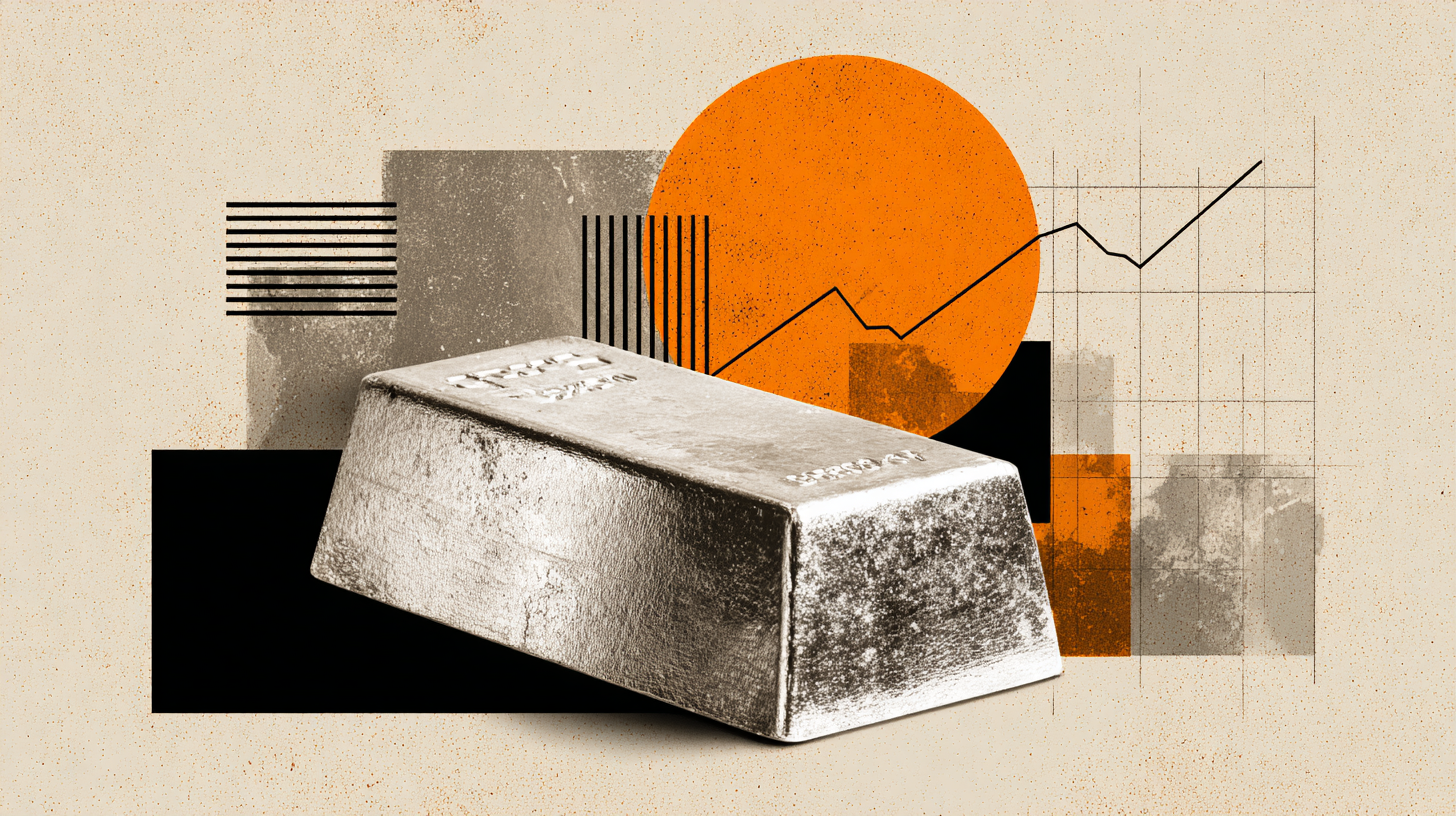
Silver (XAG/USD) trades lower on Tuesday, hovering around $73.05 at the time of writing, down 0.65% on the day, as the white metal struggles to gain traction despite a modest pullback in the US Dollar (USD). The softer Greenback offers limited support, with investors remaining focused on the outlook for interest rates and global growth.
Geopolitical tensions in the Middle East, particularly around the Strait of Hormuz, continue to fuel concerns over energy supply disruptions. Elevated Oil prices are reinforcing inflation fears, which in turn support expectations that central banks will maintain restrictive monetary policies for longer. This environment reduces the appeal of non-yielding assets such as Silver, even as the US Dollar shows signs of weakening.
The Federal Reserve (Fed) is expected to remain cautious, with markets still pricing in a risk of tightening or, at the very least, delayed rate cuts. While a softer US Dollar typically supports precious metals, the impact is currently offset by elevated US Treasury yields and persistent inflation concerns.
Analysts at OCBC Bank emphasize Silver’s relatively fragile setup compared to Gold (XAU/USD). The bank notes that “momentum remains soft following a failed breakout, and rallies are likely to be sold unless the US Dollar, Treasury yields and risk sentiment turn more supportive.” They also highlight Silver's dual nature as both a precious and industrial metal, making it more sensitive to growth expectations and broader market sentiment.
On the macroeconomic front, recent US data points to a gradual cooling in the labor market and services sector, without significantly shifting expectations for monetary policy. Market participants are now turning their attention to upcoming releases, particularly the Nonfarm Payrolls (NFP) report, which could play a key role in shaping the Fed’s policy path.
In the near term, even with a slightly weaker US Dollar, the combination of high yields, persistent inflation risks and cautious sentiment continues to weigh on Silver, leaving downside risks dominant.
Silver FAQs
Silver is a precious metal highly traded among investors. It has been historically used as a store of value and a medium of exchange. Although less popular than Gold, traders may turn to Silver to diversify their investment portfolio, for its intrinsic value or as a potential hedge during high-inflation periods. Investors can buy physical Silver, in coins or in bars, or trade it through vehicles such as Exchange Traded Funds, which track its price on international markets.
Silver prices can move due to a wide range of factors. Geopolitical instability or fears of a deep recession can make Silver price escalate due to its safe-haven status, although to a lesser extent than Gold's. As a yieldless asset, Silver tends to rise with lower interest rates. Its moves also depend on how the US Dollar (USD) behaves as the asset is priced in dollars (XAG/USD). A strong Dollar tends to keep the price of Silver at bay, whereas a weaker Dollar is likely to propel prices up. Other factors such as investment demand, mining supply – Silver is much more abundant than Gold – and recycling rates can also affect prices.
Silver is widely used in industry, particularly in sectors such as electronics or solar energy, as it has one of the highest electric conductivity of all metals – more than Copper and Gold. A surge in demand can increase prices, while a decline tends to lower them. Dynamics in the US, Chinese and Indian economies can also contribute to price swings: for the US and particularly China, their big industrial sectors use Silver in various processes; in India, consumers’ demand for the precious metal for jewellery also plays a key role in setting prices.
Silver prices tend to follow Gold's moves. When Gold prices rise, Silver typically follows suit, as their status as safe-haven assets is similar. The Gold/Silver ratio, which shows the number of ounces of Silver needed to equal the value of one ounce of Gold, may help to determine the relative valuation between both metals. Some investors may consider a high ratio as an indicator that Silver is undervalued, or Gold is overvalued. On the contrary, a low ratio might suggest that Gold is undervalued relative to Silver.
Author

Ghiles Guezout
FXStreet
Ghiles Guezout is a Market Analyst with a strong background in stock market investments, trading, and cryptocurrencies. He combines fundamental and technical analysis skills to identify market opportunities.