Silver Price Forecast: XAG/USD loses ground to near $83.50 on strong US Dollar
- Silver price attracts some sellers to around $83.60 in Friday’s early European session.
- Middle East geopolitical tensions provide some support to the Silver price.
- Persistent inflationary pressures have led markets to push back expectations for Fed rate cuts from July to September.
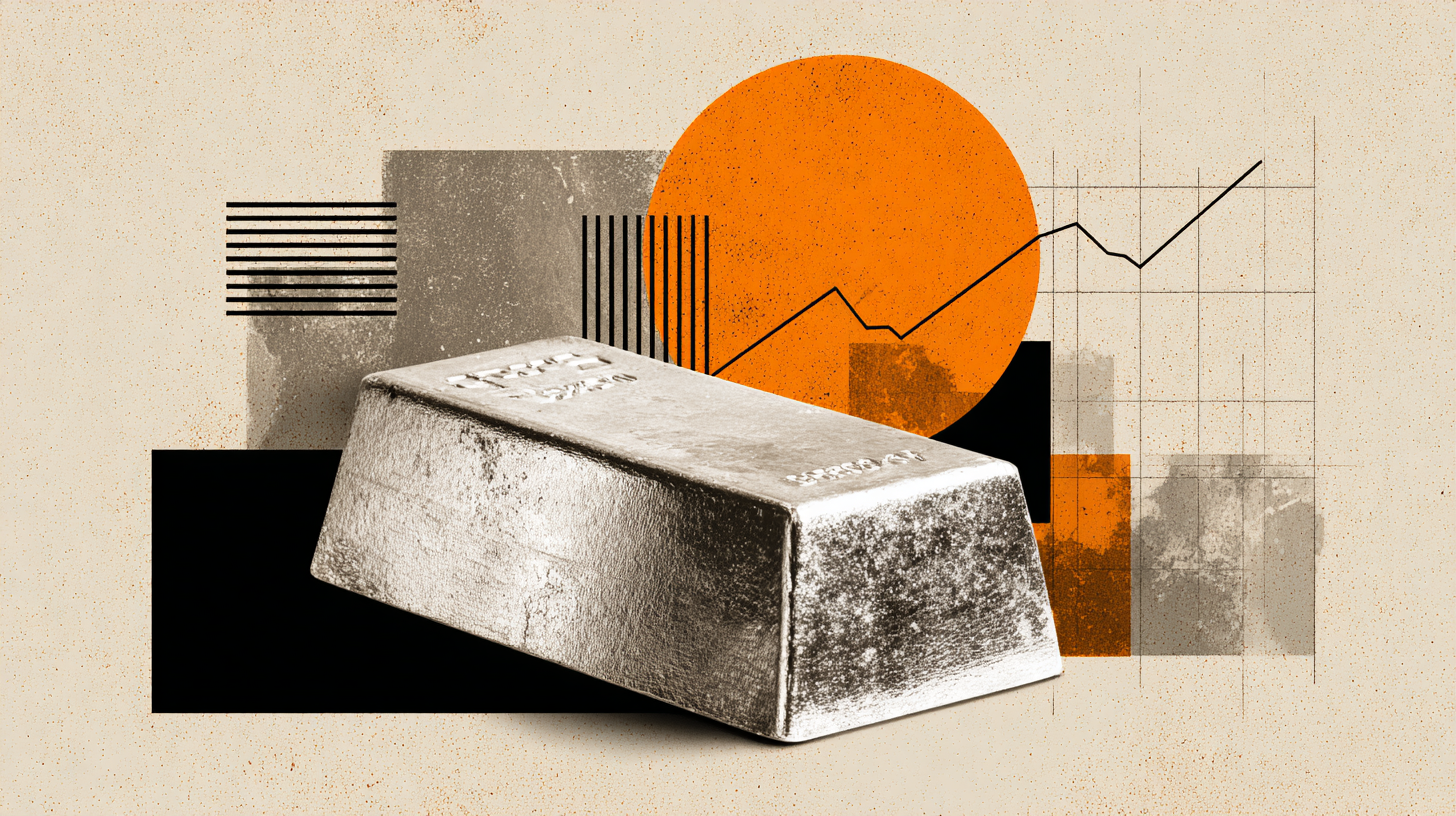
Silver price (XAG/USD) declines to around $83.60 during the early European trading hours on Friday, pressured by a stronger US Dollar (USD). Traders will closely monitor the situation in the Middle East. The release of the US Personal Consumption Expenditures (PCE) Price Index report for January will be the highlight later on Friday.
Geopolitical escalation continues in the Middle East, which could boost a safe-haven asset such as the white metal. US President Donald Trump said that preventing Iran from having nuclear weapons and threatening the Middle East is “of far greater interest and importance to me” than the cost of oil.
Meanwhile, Iran’s new supreme leader, Mojtaba Khamenei, stated the Islamic Republic would seek to ensure the Strait of Hormuz remains effectively closed. He added that Tehran would look to open other fronts in the war if the US and Israel persist with their attacks.
Nonetheless, military strikes by the US and Israel on Iran in late February have created the largest supply disruption in the history of the global oil market. Surging crude oil prices have increased inflation risks, leading markets to push back expectations for US Federal Reserve (Fed) interest rate cuts from July to September. This, in turn, could lift the Greenback and weigh on the USD-denominated commodity price.
(This story was corrected on March 13 at 09:09 GMT to say that XAG/USD loses ground to near $83.50, not $84.50.)
Silver FAQs
Silver is a precious metal highly traded among investors. It has been historically used as a store of value and a medium of exchange. Although less popular than Gold, traders may turn to Silver to diversify their investment portfolio, for its intrinsic value or as a potential hedge during high-inflation periods. Investors can buy physical Silver, in coins or in bars, or trade it through vehicles such as Exchange Traded Funds, which track its price on international markets.
Silver prices can move due to a wide range of factors. Geopolitical instability or fears of a deep recession can make Silver price escalate due to its safe-haven status, although to a lesser extent than Gold's. As a yieldless asset, Silver tends to rise with lower interest rates. Its moves also depend on how the US Dollar (USD) behaves as the asset is priced in dollars (XAG/USD). A strong Dollar tends to keep the price of Silver at bay, whereas a weaker Dollar is likely to propel prices up. Other factors such as investment demand, mining supply – Silver is much more abundant than Gold – and recycling rates can also affect prices.
Silver is widely used in industry, particularly in sectors such as electronics or solar energy, as it has one of the highest electric conductivity of all metals – more than Copper and Gold. A surge in demand can increase prices, while a decline tends to lower them. Dynamics in the US, Chinese and Indian economies can also contribute to price swings: for the US and particularly China, their big industrial sectors use Silver in various processes; in India, consumers’ demand for the precious metal for jewellery also plays a key role in setting prices.
Silver prices tend to follow Gold's moves. When Gold prices rise, Silver typically follows suit, as their status as safe-haven assets is similar. The Gold/Silver ratio, which shows the number of ounces of Silver needed to equal the value of one ounce of Gold, may help to determine the relative valuation between both metals. Some investors may consider a high ratio as an indicator that Silver is undervalued, or Gold is overvalued. On the contrary, a low ratio might suggest that Gold is undervalued relative to Silver.
Author

Lallalit Srijandorn
FXStreet
Lallalit Srijandorn is a Parisian at heart. She has lived in France since 2019 and now becomes a digital entrepreneur based in Paris and Bangkok.