Risk sentiment improved and Oil prices fell: Why the US Dollar is still holding firm
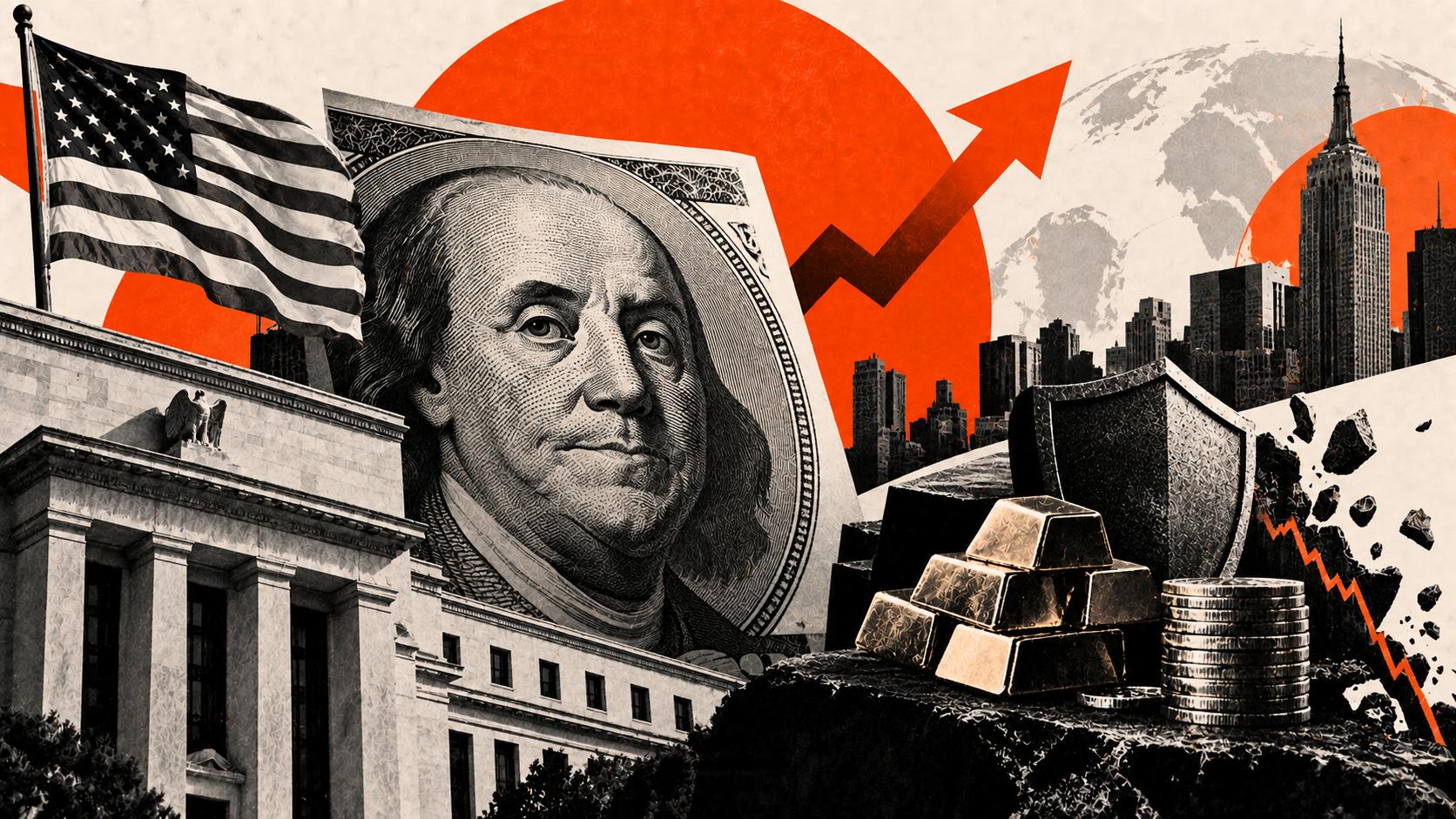
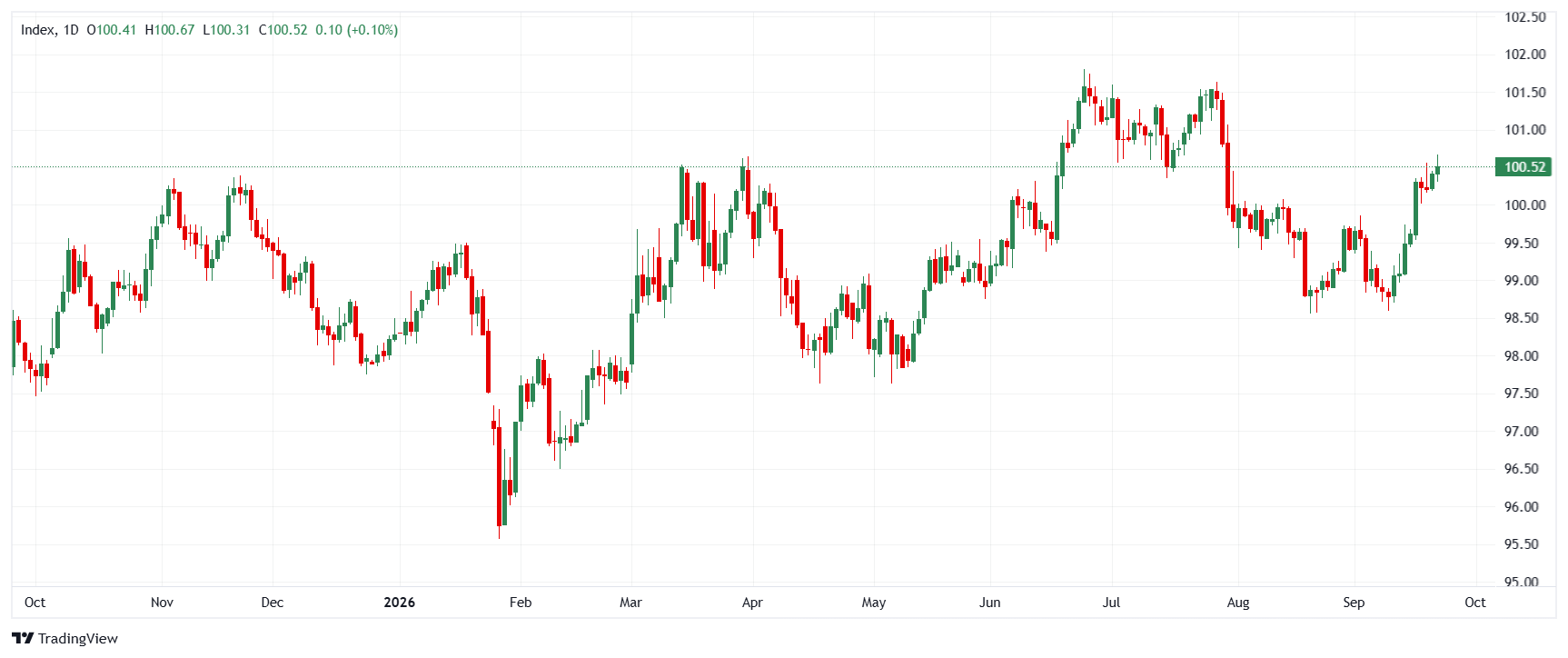
The US Dollar (USD) remains on a solid footing following a hawkish Federal Reserve (Fed) interest rate decision and persistent hawkish rhetoric from Fed officials. Although improved global risk sentiment — boosted by potential reopening of the Strait of Hormuz and lower energy prices — has tempered safe-haven demand, front-end US yields remain firmly anchored. With Federal Reserve officials warning of further monetary tightening and the US economy retaining its growth outperformance relative to major peers, market strategists foresee continued underlying strength for the Greenback through year-end.
Hawkish Fed commentary and European headwinds underpin OCBC's constructive USD view
According to Sim Moh Siong and Christopher Wong at OCBC, the US Dollar has shown notable resilience despite a broad-based improvement in risk appetite driven by tech gains and falling energy prices. While lower Oil prices have alleviated immediate global inflation worries, hawkish comments from Fed officials have kept US front-end yields supported, providing a solid floor for the US Dollar while European peers face fiscal and structural drags.
"The USD traded mixed rather than weaker despite fading safe-haven demand... hawkish Fedspeak limited the drop in frontend US yields and provided support for the USD... We remain comfortable with a modestly stronger USD outlook through year-end given ongoing hawkish Fed risks... European currencies remain weighed down by fiscal concerns, particularly in France, elevated energy costs, and limited exposure to AI-driven investment."
US economic growth edge and hawkish Fed bias keep BBH bullish on US Dollar
Taking a macro perspective, Elias Haddad at Brown Brothers Harriman (BBH) stresses that while headlines around the potential reopening of the Strait of Hormuz have eased energy market pressures, the Greenback continues to build on post-hike momentum. Although rate increases by other global central banks narrow policy divergence, the US economy's fundamental growth advantage over Europe, the UK, and Japan continues to tilt risks in favor of further US Dollar upside.
- "USD is building on its post hawkish Fed hike gains. Fresh headlines that the Strait of Hormuz could soon reopen has taken some steam out of the USD rally and weighing on energy prices... Tightening by other major central banks limits policy divergence with the Fed and suggests USD will struggle to make new cyclical highs. But the US growth advantage relative to other major economies skews USD risk to the upside."
Based on the combined analysis of both institutions, the US Dollar is well-positioned to maintain its strength through year-end. While OCBC emphasizes that a sustained USD rally will require clearer evidence of demand-driven inflation alongside persistent weakness in European currencies, BBH maintains that the resilient US economic growth advantage will keep upside risks active against the Euro, the British Pound, and the Japanese Yen.
(This article was created with the help of an Artificial Intelligence tool and reviewed by an editor. Know more.)
Author

FXStreet Insights Team
FXStreet
The FXStreet Insights Team is a group of journalists that handpicks selected market observations published by renowned experts. The content includes notes by commercial as well as additional insights by internal and external analysts.