Pound Sterling ticks lower as investors worry sustainability of Iran ceasefire
- The Pound Sterling edges down against its major peers amid doubts over the credibility of the US-Iran ceasefire.
- Israeli army kills nephew of Hezbollah leader Naim Qassem.
- Investors seek fresh cues for BoE’s monetary policy outlook.

The Pound Sterling edges lower against its major currency peers on Thursday, trading subduedly around 1.3400 against the US Dollar (USD) during the European trading session. The British currency faces mild selling pressure as market sentiment turns slightly risk-averse amid uncertainty over the sustainability of the ceasefire announcement in the Middle East on Wednesday.
S&P 500 futures are down 0.2% to near 6,770 in the European trade, reflecting a cautious market mood. The US Dollar Index (DXY), which tracks the Greenback’s value against six major currencies, is slightly higher to near 99.10.
Market participants turn cautious over the longevity of the two-week US-Iran truce due to Israel’s continued attacks on Iran-backed Houthis in Lebanon. According to a Reuters report, the Israeli Defense Forces (IDF) has eliminated Ali Yusuf Harshi, the personal secretary and nephew of Hezbollah Secretary-General Naim Qassem.
Earlier, Iran’s parliament speaker and chief negotiator, Mohammad Bagher Qalibaf, also criticized the US for violating the first clause of the 10-point proposal, through a tweet on X, which states “an immediate ceasefire everywhere, including Lebanon and other regions, effective immediately”.
Meanwhile, both the US and Iran have confirmed that they are sending teams to Pakistan for the first round of negotiations over the 10-point peace proposal.
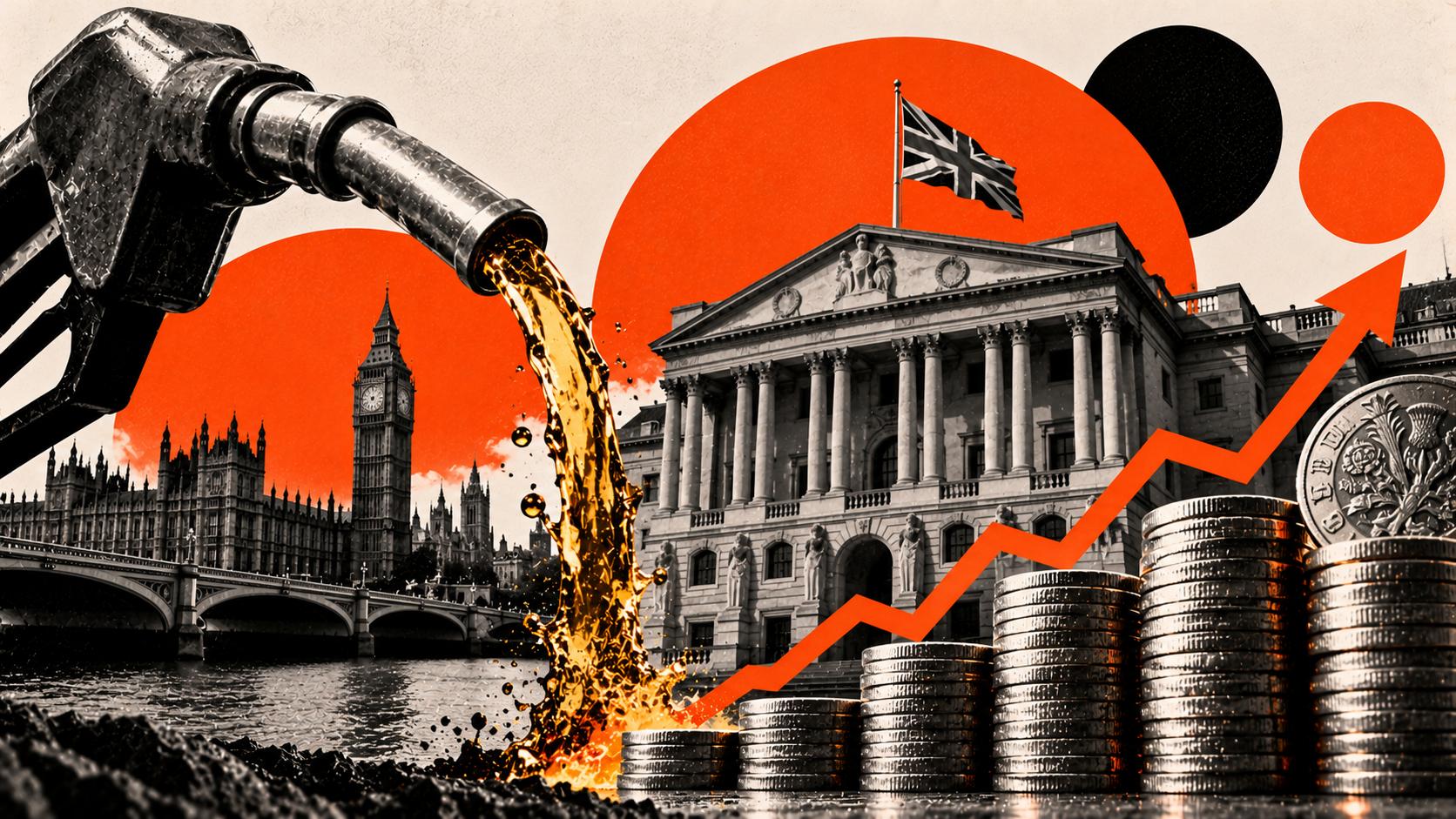
On the domestic front, investors seek fresh cues about the Bank of England (BoE) monetary policy outlook, as anchoring global inflation expectations due to optimism on the Iran war would force traders to pare bets supporting interest rate hikes in the near term.
Investors became confident of the BoE tightening monetary conditions in upcoming policy meetings, as higher energy prices due to the Middle East war had prompted inflation expectations.
Pound Sterling FAQs
The Pound Sterling (GBP) is the oldest currency in the world (886 AD) and the official currency of the United Kingdom. It is the fourth most traded unit for foreign exchange (FX) in the world, accounting for 12% of all transactions, averaging $630 billion a day, according to 2022 data. Its key trading pairs are GBP/USD, also known as ‘Cable’, which accounts for 11% of FX, GBP/JPY, or the ‘Dragon’ as it is known by traders (3%), and EUR/GBP (2%). The Pound Sterling is issued by the Bank of England (BoE).
The single most important factor influencing the value of the Pound Sterling is monetary policy decided by the Bank of England. The BoE bases its decisions on whether it has achieved its primary goal of “price stability” – a steady inflation rate of around 2%. Its primary tool for achieving this is the adjustment of interest rates. When inflation is too high, the BoE will try to rein it in by raising interest rates, making it more expensive for people and businesses to access credit. This is generally positive for GBP, as higher interest rates make the UK a more attractive place for global investors to park their money. When inflation falls too low it is a sign economic growth is slowing. In this scenario, the BoE will consider lowering interest rates to cheapen credit so businesses will borrow more to invest in growth-generating projects.
Data releases gauge the health of the economy and can impact the value of the Pound Sterling. Indicators such as GDP, Manufacturing and Services PMIs, and employment can all influence the direction of the GBP. A strong economy is good for Sterling. Not only does it attract more foreign investment but it may encourage the BoE to put up interest rates, which will directly strengthen GBP. Otherwise, if economic data is weak, the Pound Sterling is likely to fall.
Another significant data release for the Pound Sterling is the Trade Balance. This indicator measures the difference between what a country earns from its exports and what it spends on imports over a given period. If a country produces highly sought-after exports, its currency will benefit purely from the extra demand created from foreign buyers seeking to purchase these goods. Therefore, a positive net Trade Balance strengthens a currency and vice versa for a negative balance.
Author

Sagar Dua
FXStreet
Sagar Dua is associated with the financial markets from his college days. Along with pursuing post-graduation in Commerce in 2014, he started his markets training with chart analysis.