|

People are expecting a stock market crash [Video]

Emini S&P futures

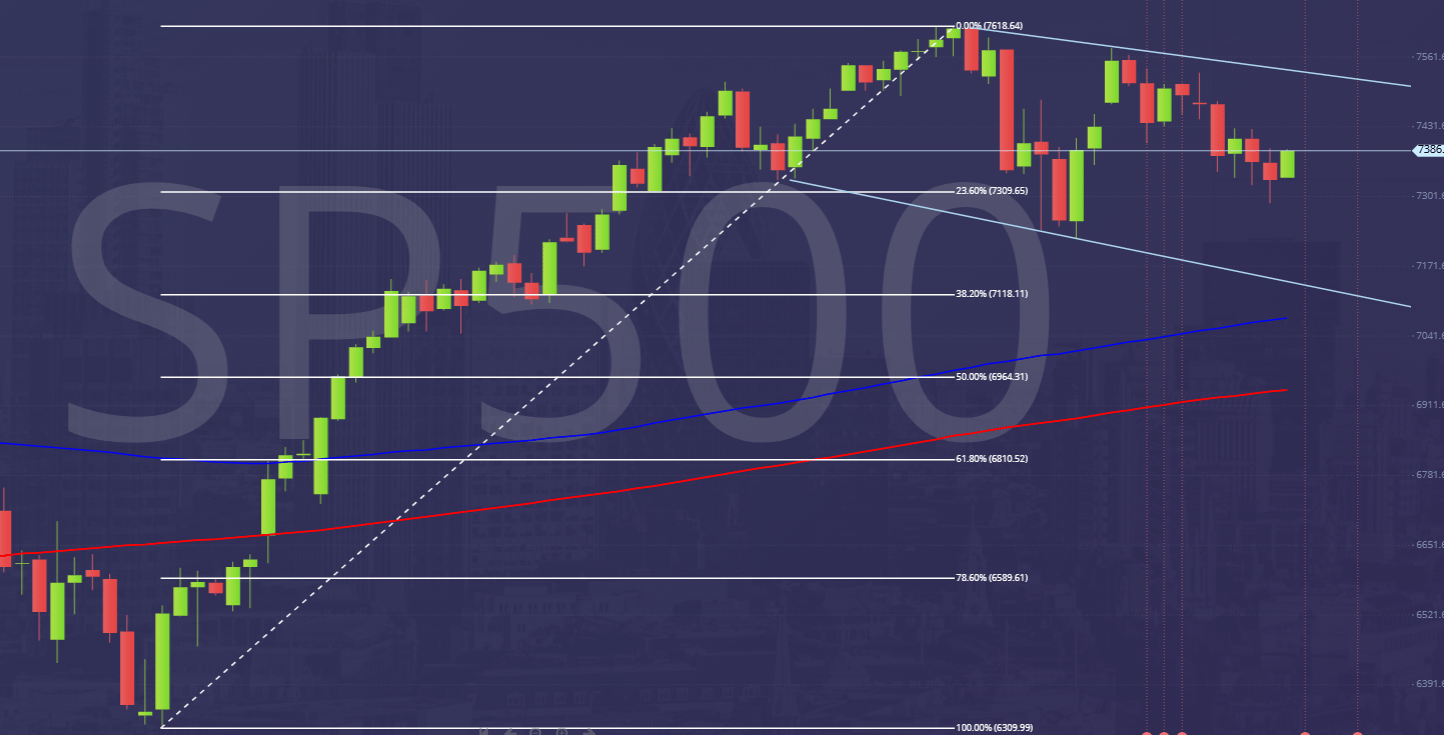
Emini S&P SEPTEMBER futures broke below 7380 but did not reach my target & support at 7345/35 (Yet).

As we are still seeing buyers on dips, we may make a low of the day here.

Longs need stops below 7325.

A break lower is a sell signal targeting 7290/7285.

Unfortunately my resistance was too tight as we beat both 7390/7395 & also 7420/7430.

We made a high for the day at the next target of 7460/7470.

First resistance at 7465/75 today & shorts need stops above 7685.

A break higher is a buy signal targeting 7500/7505 then 7530/40.

We should struggle to beat this level but I think shorts are too risky.

If we continue higher look for 7580/7590.
SP

Emini Nasdaq futures

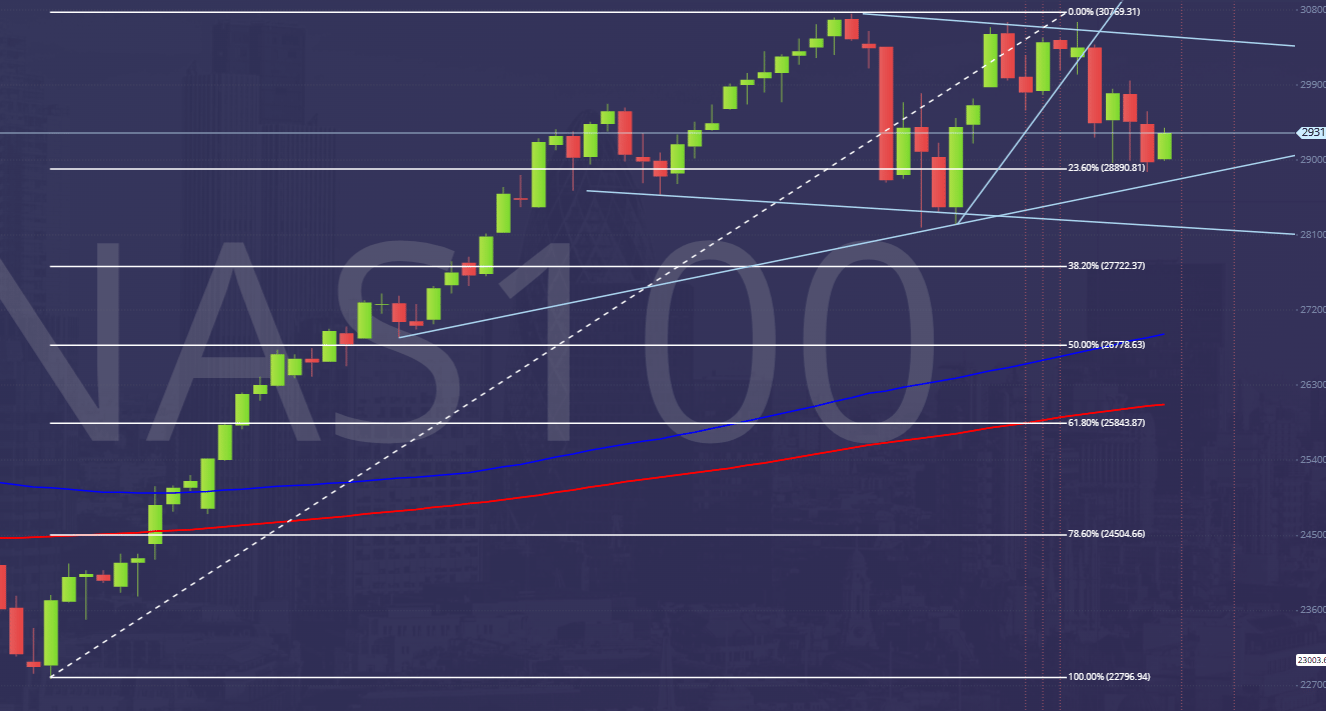
Emini Nasdaq SEPTEMBER hit my target & buying opportunity at 29260/210.

This was the best chance of a low for the week & we saw  a bounce from 29160, allowing the long positions to be held for the bounce to targets of 29430/460 & resistance at 29560/590.

However shorts here were stopped before we reversed.

The price actions suggest we are in a sideways consolidation and we will continue to reverse quickly.

Again, a buying opportunity at 29260/210 & longs need stops below 29100.

If we do break lower there is a risk of a retest of the June low for the September contract at 28590/510.

A break below here could slide as far as a buying opportunity at 28200/28050.

Longs need stops below 27900.

Longs at 29260/210 can target 29430/460 & 29560/590.

A break higher targets resistance at 29835/865.
Chart

Shorts need stops above 29990. A break higher is a buy signal targeting 30250/290, perhaps as far as 30550/590.

Youtube preview

Author

Jason Sen

Jason Sen

DayTradeIdeas.co.uk

Jason Sen began his career in the options pits on the trading floor of LIFFE in 1987 at the age of 19, making markets on his own account. In 2001 when the trading floor closed he successfully made the transition to day trading on computer screens.


More from Jason Sen
Share:

Editor's Picks

AUD/USD bulls regain control above 0.6950 amid USD retreat

AUD/USD regains traction and extends the previous day's bounce from the weekly low, aiming for 0.7000 in Asia on Friday. The overnight pullback in US bond yields keeps the US Dollar below an 18-month high, which in turn offers some support to the pair. Meanwhile, hawkish RBA expectations also keep the major underpinned.

USD/JPY holds gains near 158.00 after Japan's weak Household Spending data

USD/JPY clings to gains around 158.00 after data showed on Friday that Japan's Household Spending fell for the ninth straight month, undermining the Japanese Yen. Meanwhile, the US Dollar remains depressed as the overnight fall in US bond yields counters a hawkish Fed and geopolitical uncertainties, could cap any downside in the pair.

Gold remains range-bound below $4,200

Gold has given up some ground after an initial bullish attempt to reach weekly highs, returning to below the $4,200 mark per troy ounce on Friday. The US Dollar’s strong upside momentum, combined with rising US Treasury yields across the curve, seems to keep further gains in the yellow metal under scrutiny.

Week ahead: US CPI, France’s budget crisis and Q3 earnings to set the market tone
The US dollar held relatively strong this week, despite the disappointing US jobs report on October 2, which further decreased the probability of a back-to-back rate hike by the Fed at the upcoming gathering on October 28.
CFTC Report: Euro and Aussie shorts expand amid diverging signals

The week in one sentence: Euro and Australian Dollar shorts deepened in the week to October 6, while Yen longs rebuilt. In addition, Coffee buying continued, and Gold exposure remained elevated despite another price decline. Speculators turned more negative on the Euro, increasing the net exposure to around 99.3K contracts.

Has Bitcoin really escaped the macro forces it was built to fight?
Over 17 years ago, Satoshi Nakamoto designed Bitcoin (BTC) on the back of a global financial crisis as an alternative to the global monetary system outside the control of central banks, governments and traditional intermediaries. This raises a key question: has Bitcoin really become independent of the macroeconomic forces it was built to challenge?