Oil: Geopolitics keeps pressure on supply chains – Rabobank
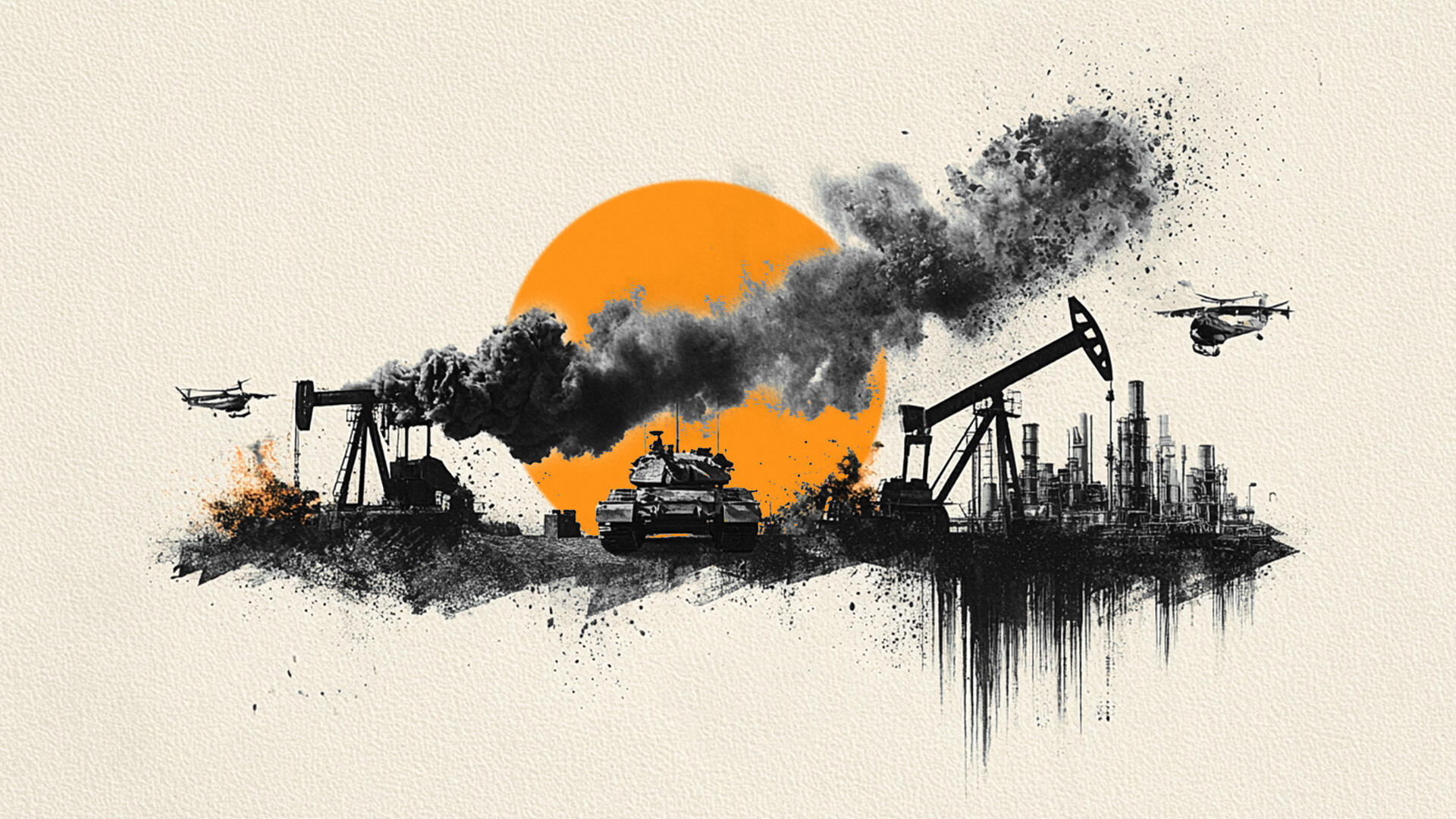
Rabobank’s Senior Macro Strategist Bas van Geffen notes that Iran’s control over the Strait of Hormuz and ongoing regional tensions are keeping risks elevated for Oil and broader energy markets. The bank highlights that even without further escalation, prolonged disruption could damage energy supply chains and economies. Recent optimism faded as energy prices rebounded from lows, reflecting renewed caution among equity traders.
Hormuz risks and energy market fallout
"Moreover, while Trump is now talking about de-escalating the scenario and a potential peaceful resolution, Iran continues missile strikes on Israel – and Israel presses ahead with its military campaign. And several members of the Gulf Cooperation Council signalled willingness to join the fight against Iran."
"Closure of the Strait of Hormuz is impacting their energy exports, so the GCC nations may see a role for themselves to ensure that the Strait is reopened. But, more importantly, Iran’s retaliatory strikes against targets in neighbouring countries –and threats of more– may have struck a nerve."
"Further escalation has been averted for now, but don’t forget that Iran does not need to escalate. Iran continues to have full control over the Strait of Hormuz. As long as the regime is willing and able to execute pinpointed strikes, sailing through will be a prohibitively dangerous endeavour."
"And, the longer even an impasse lasts, the bigger the damage to energy supply chains and economies."
"As a result, some of the optimism waned this morning already. Energy prices are rebounding from yesterday’s lows, and equity traders are once again taking a more cautious stance than they did after Trump’s social media post yesterday."
(This article was created with the help of an Artificial Intelligence tool and reviewed by an editor.)
Author

FXStreet Insights Team
FXStreet
The FXStreet Insights Team is a group of journalists that handpicks selected market observations published by renowned experts. The content includes notes by commercial as well as additional insights by internal and external analysts.