Nasdaq market analysis: US equities react to Venezuela Oil takeover
- Nasdaq and U.S. markets advance on Oil-driven rally following U.S. Venezuela takeover
- Energy sector leads gains amid geopolitical risk, while tech holds ground
- Short-term upside bias for Nasdaq with Oil sector influence; geopolitical risk premium remains elevated

In the wake of a highly significant geopolitical event — the U.S. military operation that resulted in the capture of Venezuelan President Nicolás Maduro and effective U.S. control over Venezuela’s oil sector — U.S. financial markets have exhibited a risk-on response.
Rather than triggering broad market sell-offs, Wall Street has rallied, led by energy stocks with meaningful upside in oil infrastructure and production bets, while technology shares on the Nasdaq remain resilient amid ongoing AI and growth narratives.
U.S. equities and the Nasdaq
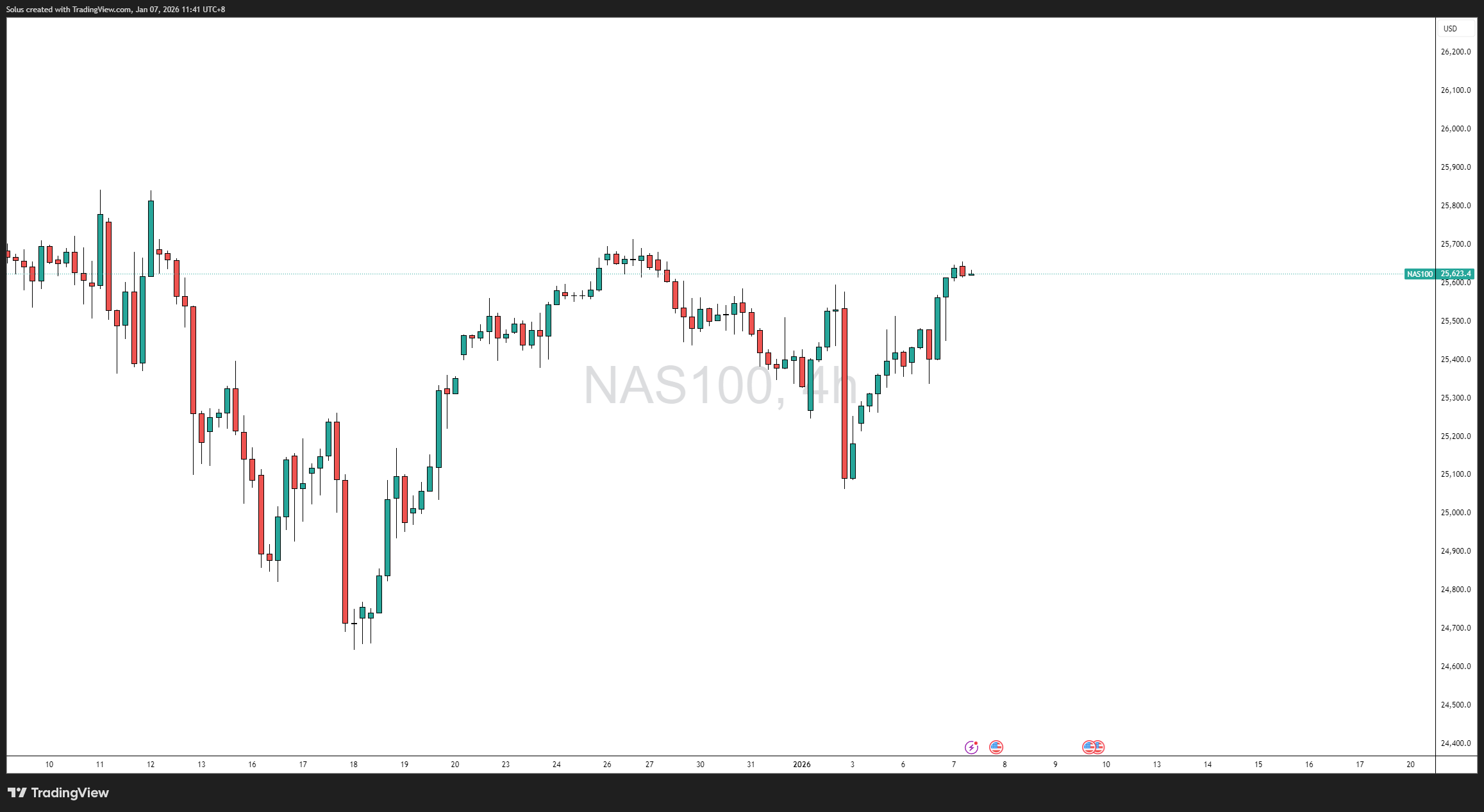
- The Nasdaq 100 have posted modest gains following the news, showing investor confidence in both tech and cyclical sectors. This suggests that the event has not unnerved growth equity investors and that tech’s structural growth drivers still underpin the market.
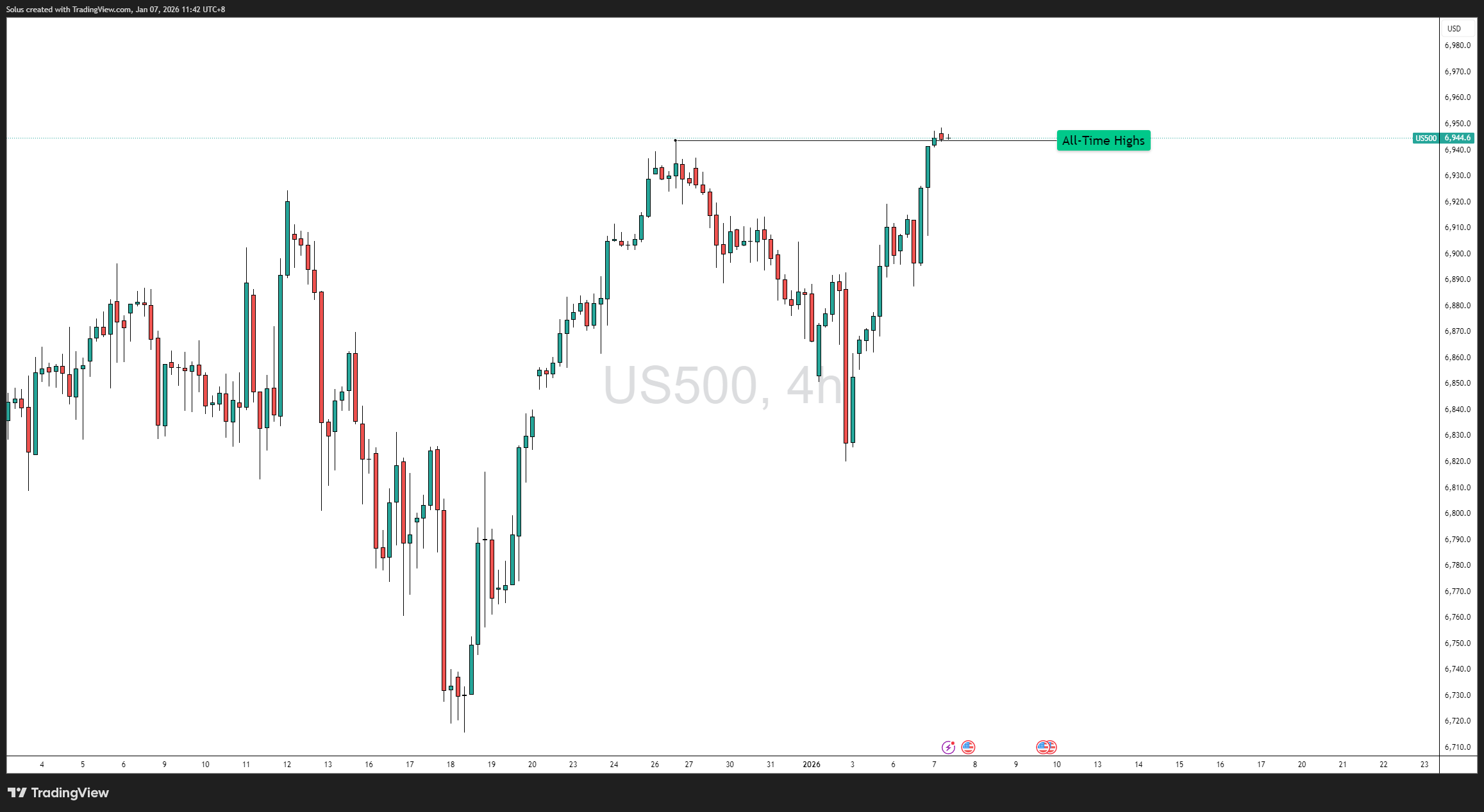
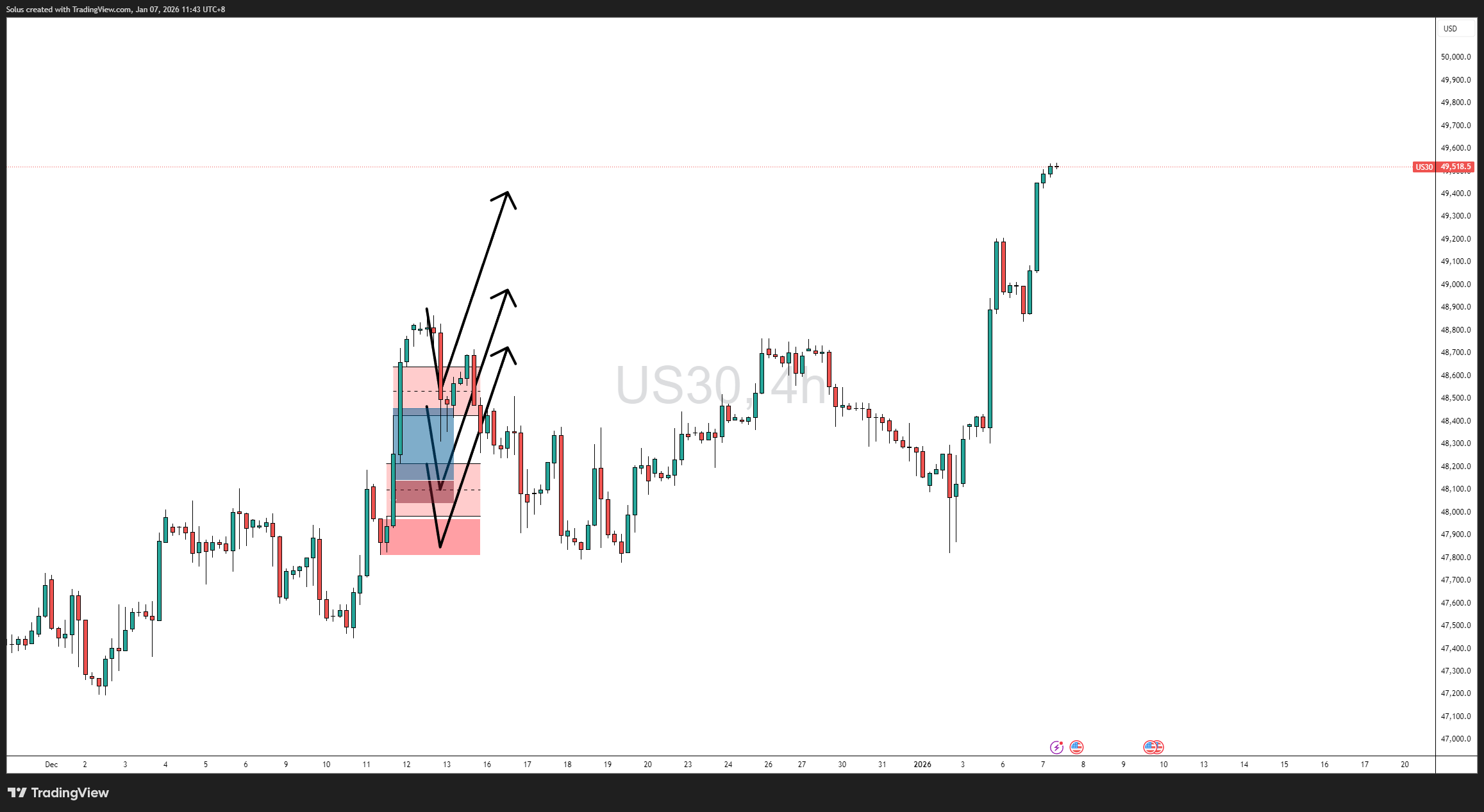
- The broader S&P 500 and Dow Jones Industrial Average have also seen record highs, driven by energy and cyclical momentum, further affirming that equities are holding up well despite geopolitical risk.
Oil and Energy stocks (direct impact)
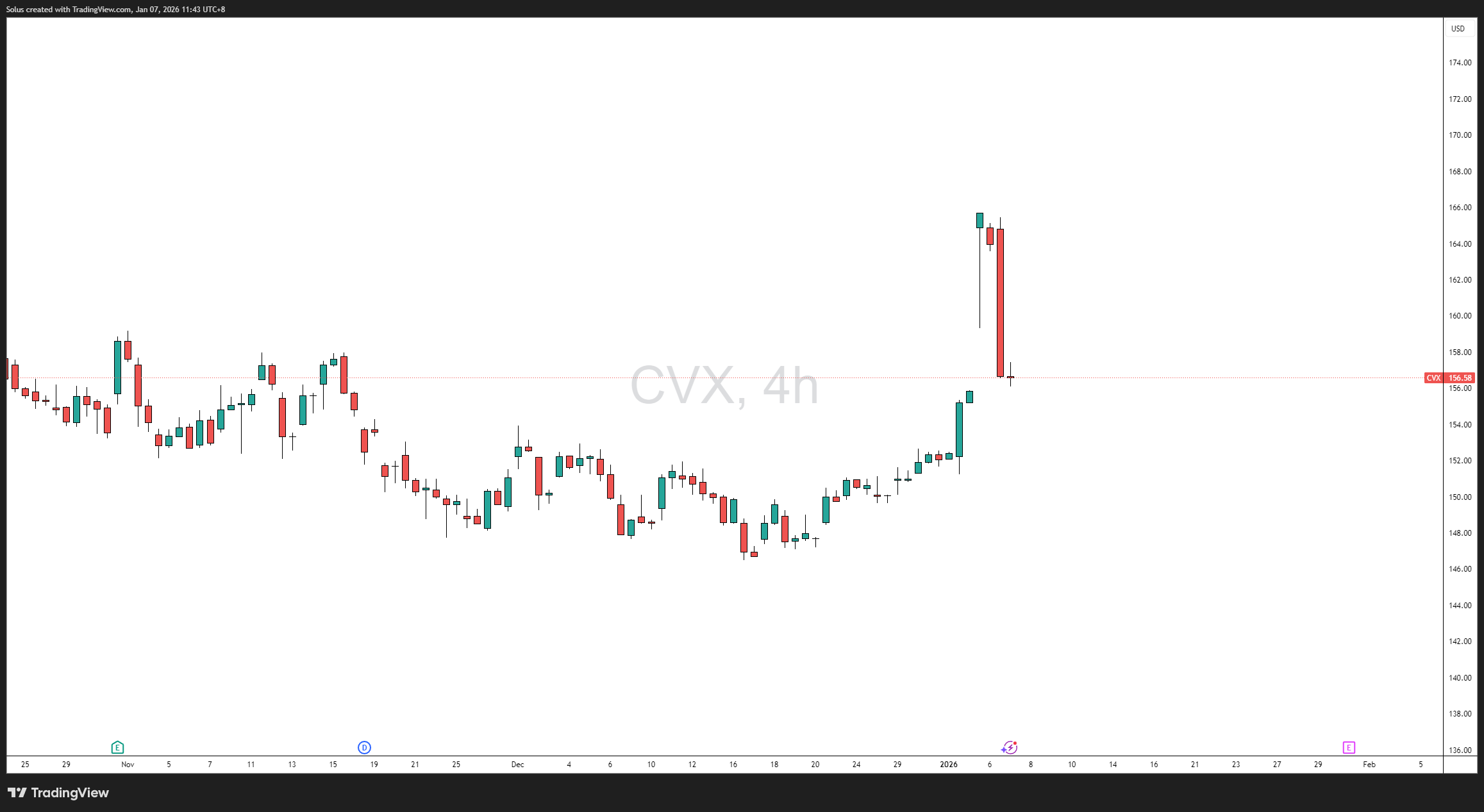
- Chevron (CVX) has emerged as a primary beneficiary, given its existing operations in Venezuela and first-mover advantage. Its stock experienced one of the largest single-day gains in months on the news.
- ExxonMobil (XOM) and ConocoPhillips (COP) also gained as investors price in the potential for re-entry into Venezuelan assets and earning opportunities from arbitration claims and future production.
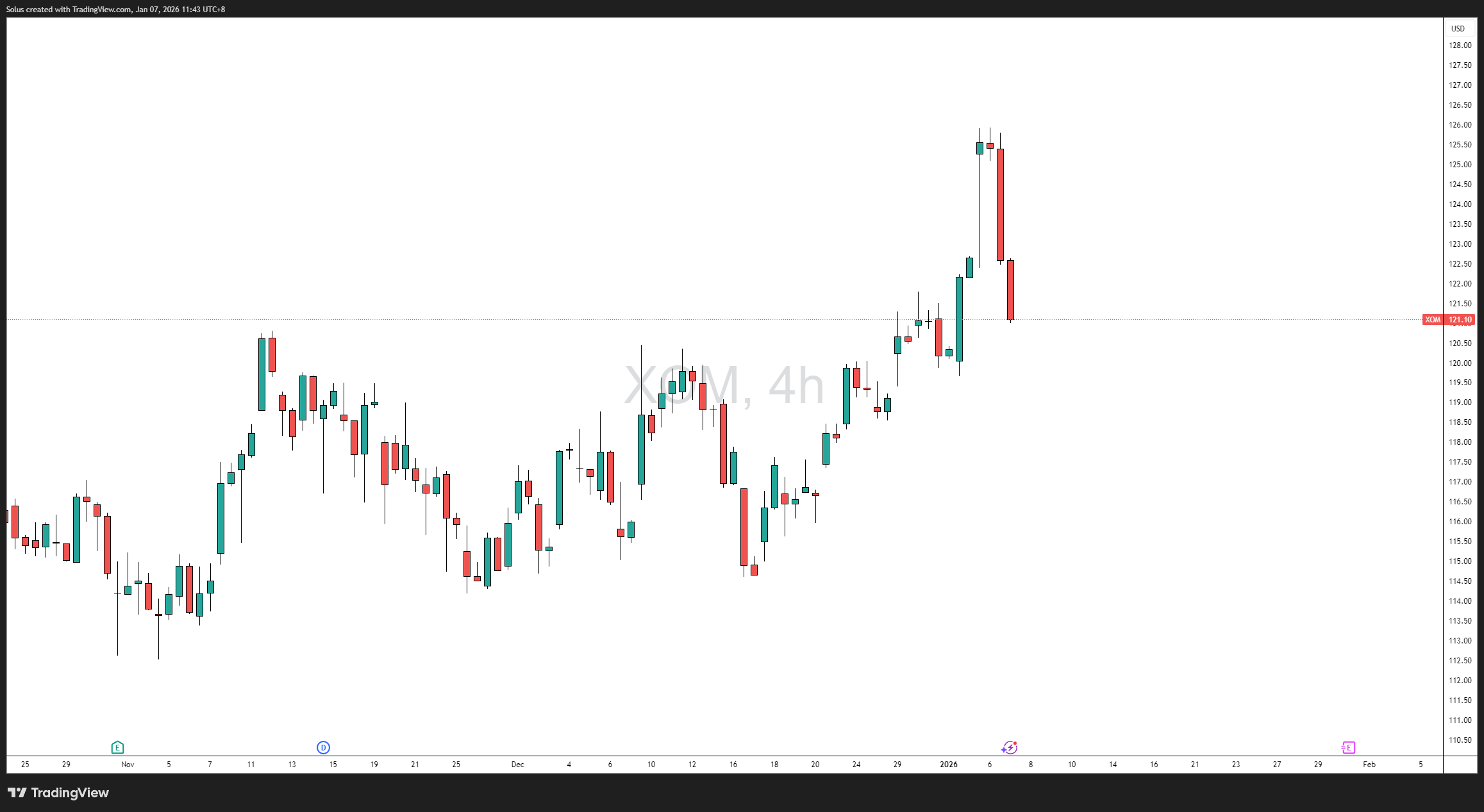
- Oilfield services names like SLB (formerly Schlumberger), Halliburton (HAL), and Baker Hughes (BKR) showed notable gains, as rebuilding Venezuelan oil infrastructure represents a potential multi-year investment cycle.
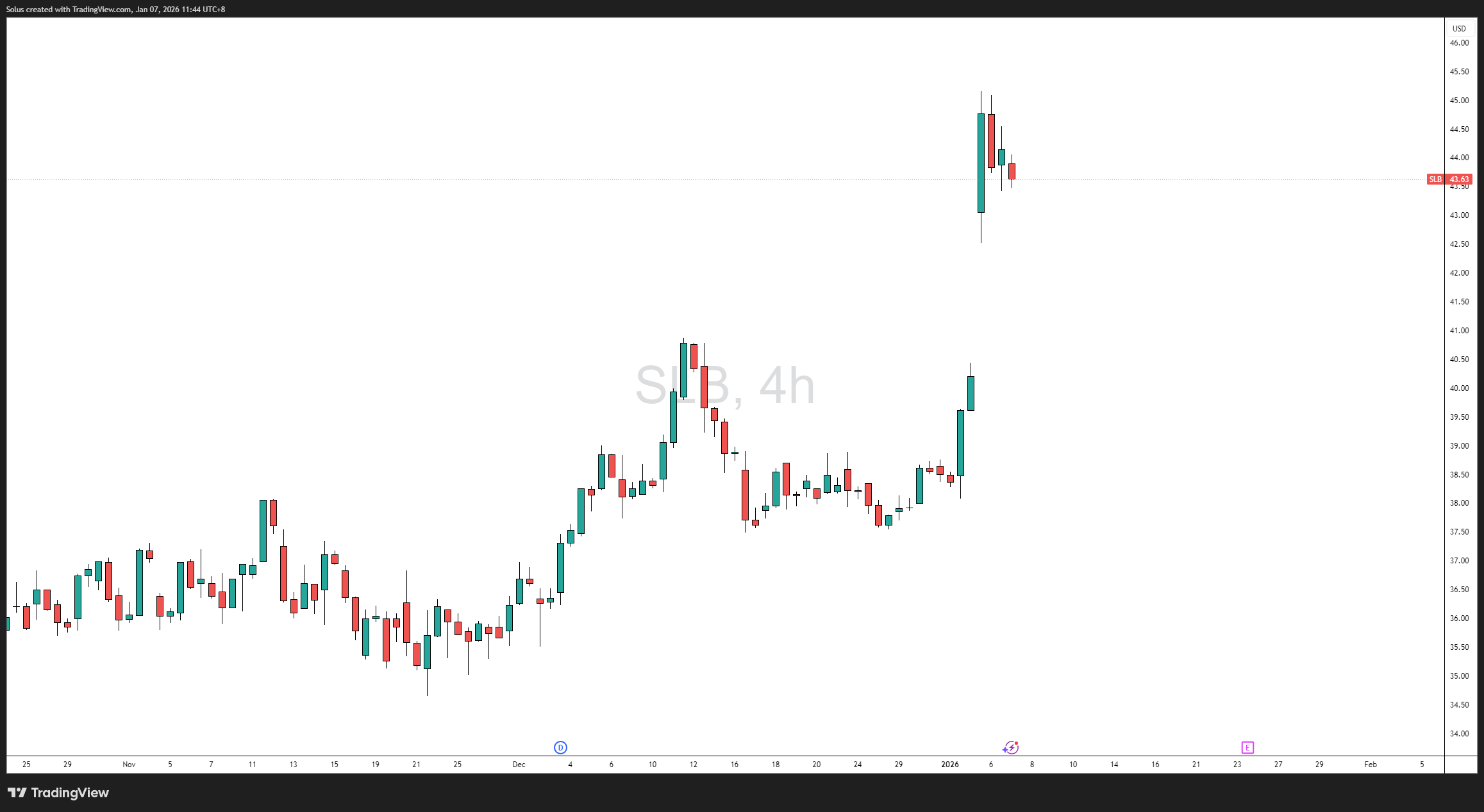
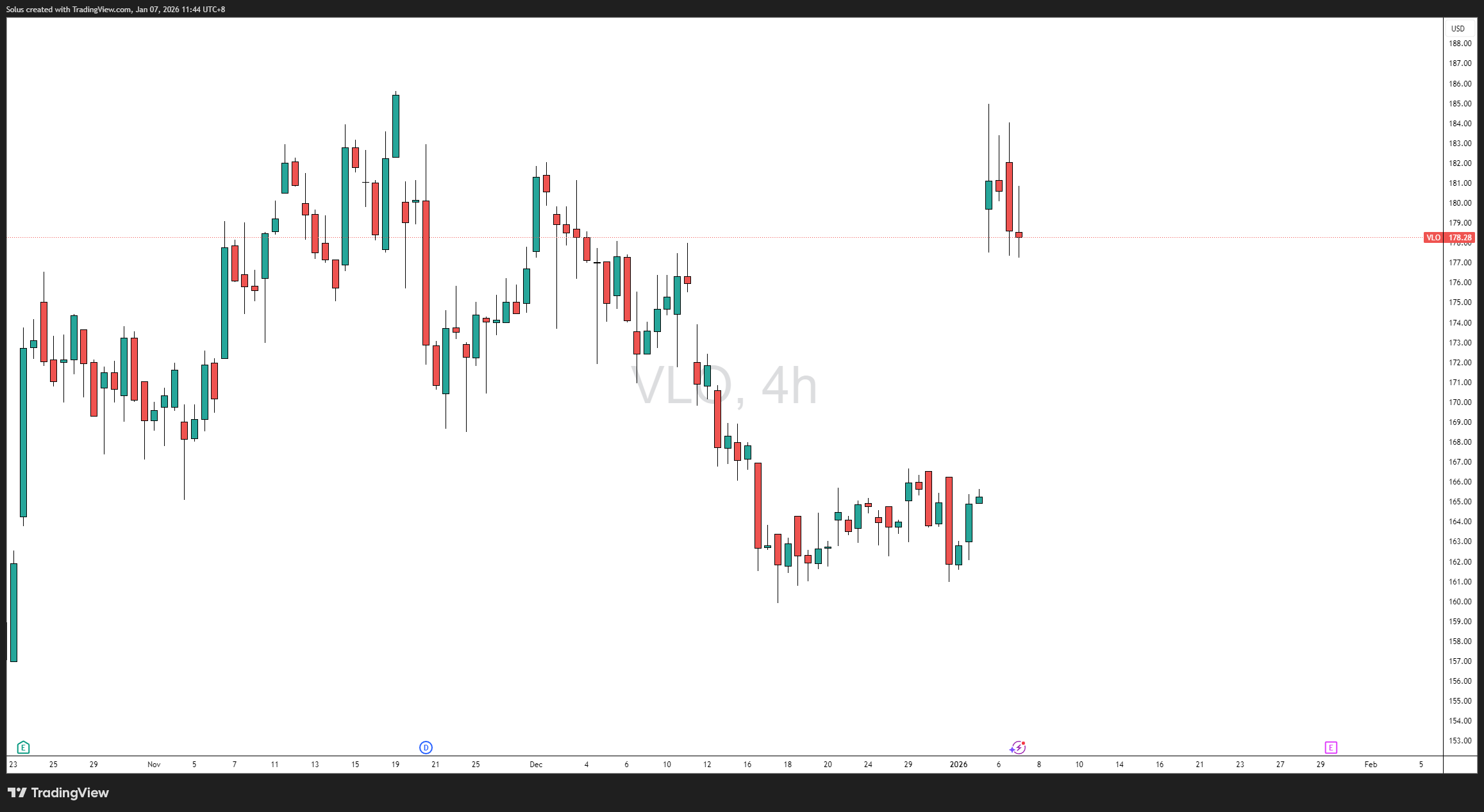
- Refiners such as Valero (VLO) and Marathon Petroleum (MPC) are seeing strength given expectations of increased heavy crude feedstock from Venezuelan output — potentially boosting refining margins.
Geopolitical and strategic considerations
Risk premium and volatility
- Analysts note that geopolitical risk premiums remain elevated, which has lifted gold and the U.S. dollar slightly, but not to crisis-driven extremes.
- The military action and political fallout (including civilian and security force casualties) have sparked international controversy and legal scrutiny, adding layers of uncertainty to how markets will internalize broader geopolitical risk.
Policy and long-term energy strategy
- The U.S. move to take control over Venezuela’s oil sector — including potential export deals and direct oversight of proceeds — is a strong strategic pivot toward securitizing energy supply chains.
- This “energy trusteeship” model, while unprecedented, could change how private companies engage with sovereign resources and set a precedent for future geopolitical resource policy.
Sector implications
Bullish drivers
- Energy Infrastructure Rebuild: Years of underinvestment have left Venezuela’s oil fields in disrepair; U.S. firms could capture significant contracts to rehabilitate them.
- Refining Margins: U.S. Gulf Coast refiners might benefit from a stable heavy crude feedstock source near home markets.
- Arbitration and Asset Recovery: Integrated majors with historical claims may see earnings boosts if they can monetize past awards against PDVSA.
Risks and bearish considerations
- Infrastructure Realities: Venezuela’s oil network is in poor condition; production increase could take years of costly investment before volumes make a material impact.
- Geopolitical Backlash: Global responses and legal challenges could alter the pace or legitimacy of U.S. involvement — potentially derailing optimistic scenarios.
- Global Supply Dynamics: Other producers — including OPEC and U.S. shale — still dominate supply, meaning Venezuela’s impact on prices may be more strategic than immediate.
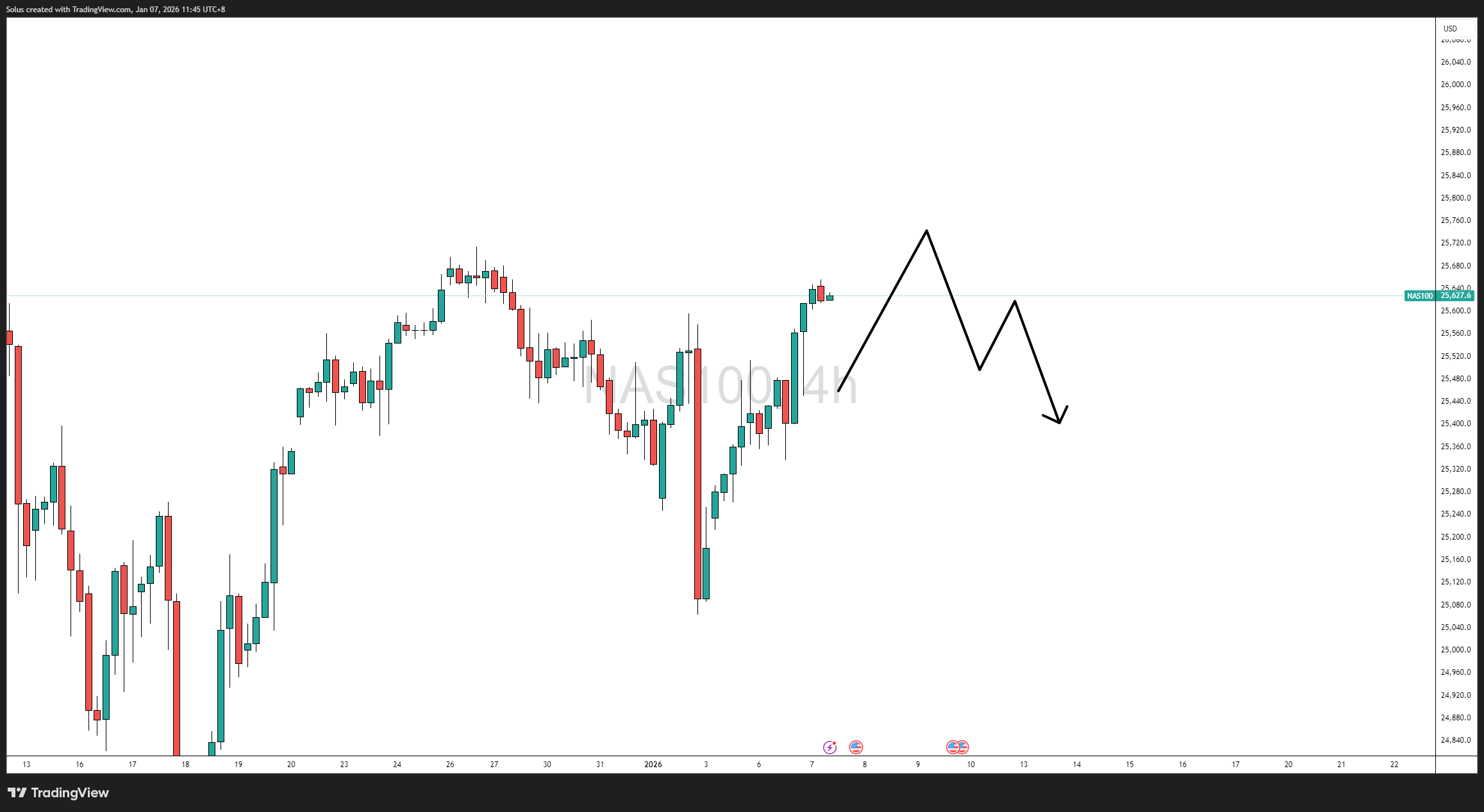
Technical outlook: Nasdaq and Oil sector
- Current Pattern: The Nasdaq is holding above key support levels following broad market gains. Continued upside hinges on tech earnings and risk appetite remaining stable.
- Bullish Scenario: If tech earnings forecasts stay strong and energy sector leadership persists, Nasdaq could retest near recent highs, with buying interest flowing from cyclical sectors.
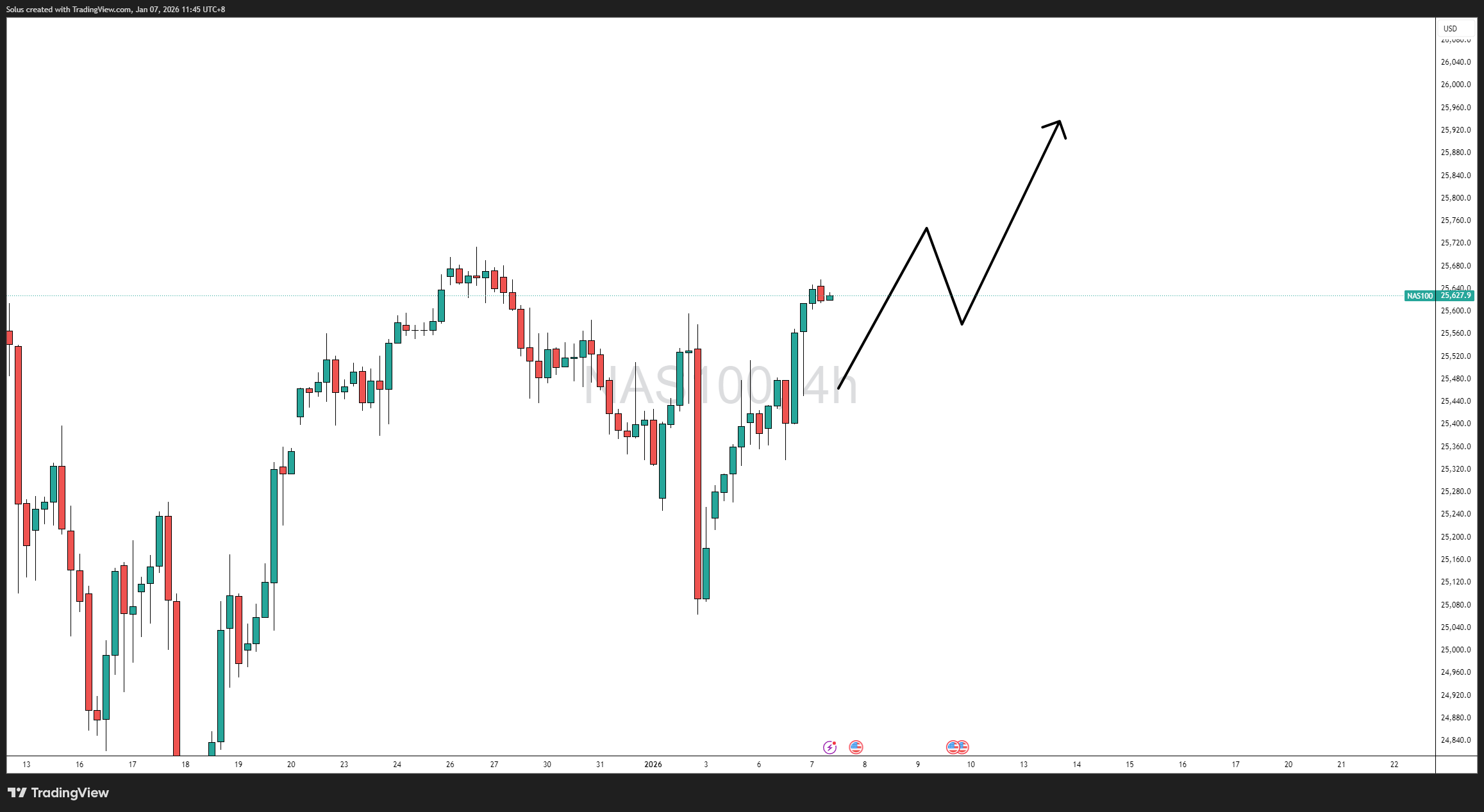
- Bearish Scenario: A sudden geopolitical escalation or shock to risk sentiment could trigger rotation out of growth stocks, pushing the Nasdaq back toward short-term support.
Author

Jasper Osita
Independent Analyst
Jasper has been in the markets since 2019 trading currencies, indices and commodities like Gold. His approach in the market is heavily accompanied by technical analysis, trading Smart Money Concepts (SMC) with fundamentals in mind.

















