|

Japanese Yen: Weak currency and cheap burgers – Nordea
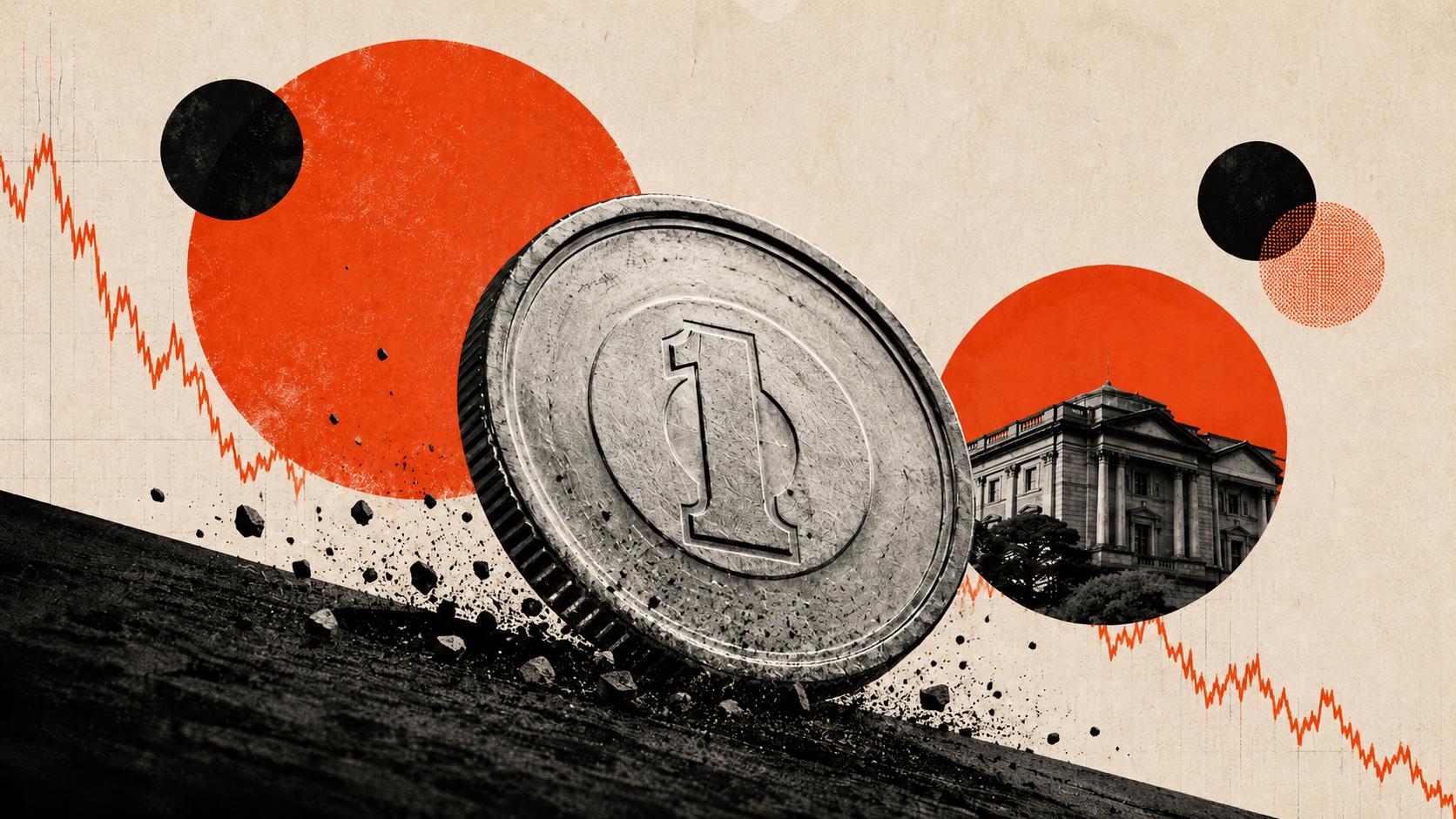
Nordea’s Helge J. Pedersen argues that the Japanese Yen appears significantly undervalued versus the Dollar on both OECD purchasing power parity estimates and The Economist’s Big Mac Index. Despite Japan’s strong trade and current account surpluses suggesting room for Yen appreciation, persistently low Japanese interest rates versus the US continue to weigh on JPY and limit sustained currency strength.

Yen undervaluation versus Dollar highlighted

"It is not every day that the US and Japan join forces in the currency market to strengthen the yen. But that is exactly what happened in late July, after the Japanese currency had approached its lowest level in nearly four decades. The intervention worked – but only briefly."

"This is an analysis where economists traditionally look at the so-called purchasing power parity (PPP) exchange rate – the rate at which an identical basket of goods in Japan and the US would cost exactly the same. This is a rate that the OECD, among others, attempts to calculate on an annual basis, and the latest figures suggest that the yen is significantly undervalued."

"And in this year's edition, the message is very clear: Asian currencies, and the yen in particular, look cheap against the dollar. The weakening of the yen has in fact been so dramatic that a Big Mac in Japan is now markedly cheaper than in China, measured in dollars."

"Since Japan runs a large trade surplus with the US and a considerable current account surplus more broadly, all of this points to strong competitiveness – and suggests that a strengthening of the currency should be well within reach."

"And unless the interest rate gap narrows – for example through further monetary tightening by the Bank of Japan – this dynamic will persist, with ever-cheaper Japanese burgers as a consequence."

(This article was created with the help of an Artificial Intelligence tool and reviewed by an editor. Know more.)

Author

FXStreet Insights Team

The FXStreet Insights Team is a group of journalists that handpicks selected market observations published by renowned experts. The content includes notes by commercial as well as additional insights by internal and external analysts.


More from FXStreet Insights Team
Share:

Editor's Picks

GBP/USD remains capped at 1.3600, awaits key US event risks

GBP/USD is consolidating in Friday's European trading after facing rejection at 1.3600 earlier on. Traders remain on the sidelines and refrain from placing fresh bets on the major ahead of the critical US Nonfarm Payrolls benchmark revision and Fed Chair Warsh's debut at the Jackson Hole Symposium. Both events could ramp up market volatility.

EUR/USD hovers around 1.1650 ahead of NFP revision, Warsh

EUR/USD is treading water at around 1.1650 in the European session on Friday. The pair faces headwinds as the US Dollar clings to its recent recovery ahead of the US Nonfarm Payrolls benchmark revision and Fed Chair Warsh's Jackson Hole speech. However, the downside appears cushioned by hawkish ECB expectations.

Gold holds gains above $4,600 as bullish bias prevails

Gold extends its gains for the second successive day, trading around $4,610 during the European hours. The price of the precious metal is remaining within the ascending channel pattern, suggesting a persistent bullish bias. The XAU/USD pair is retaining a constructive bullish bias as spot holds above both the nine-period and 50-period EMAs, keeping the short- and medium-term trends aligned to the upside.

Hyperliquid rally stretches thin amid treasury growth, CFTC innovation push

Hyperliquid (HYPE) is down 2% on Friday after reaching a record high of 86.75 the previous day. Nasdaq-listed Hyperliquid Strategies Inc raised almost $650 million in an equity deal to increase its HYPE holding to 29.3 million tokens. Hyperliquid is also pushing to expand its perpetual futures markets in the US.

Kevin Warsh’s Jackson Hole dilemma: Say too much, too little, or just enough

Kevin Warsh is preparing to deliver his first Jackson Hole speech as Federal Reserve Chair on Friday, and expectations extend well beyond whether interest rates will be raised or left unchanged in September. The Jackson Hole symposium, held from August 27 to 29, has the official theme “Financial Innovation: Implications for Payments and Policy.”

Kevin Warsh’s Jackson Hole dilemma: Say too much, too little, or just enough

Kevin Warsh is preparing to deliver his first Jackson Hole speech as Federal Reserve (Fed) Chair on Friday, and expectations extend well beyond whether interest rates will be raised or left unchanged in September.