Is China becoming the contrarian trade of 2026? CHA50 vs US500
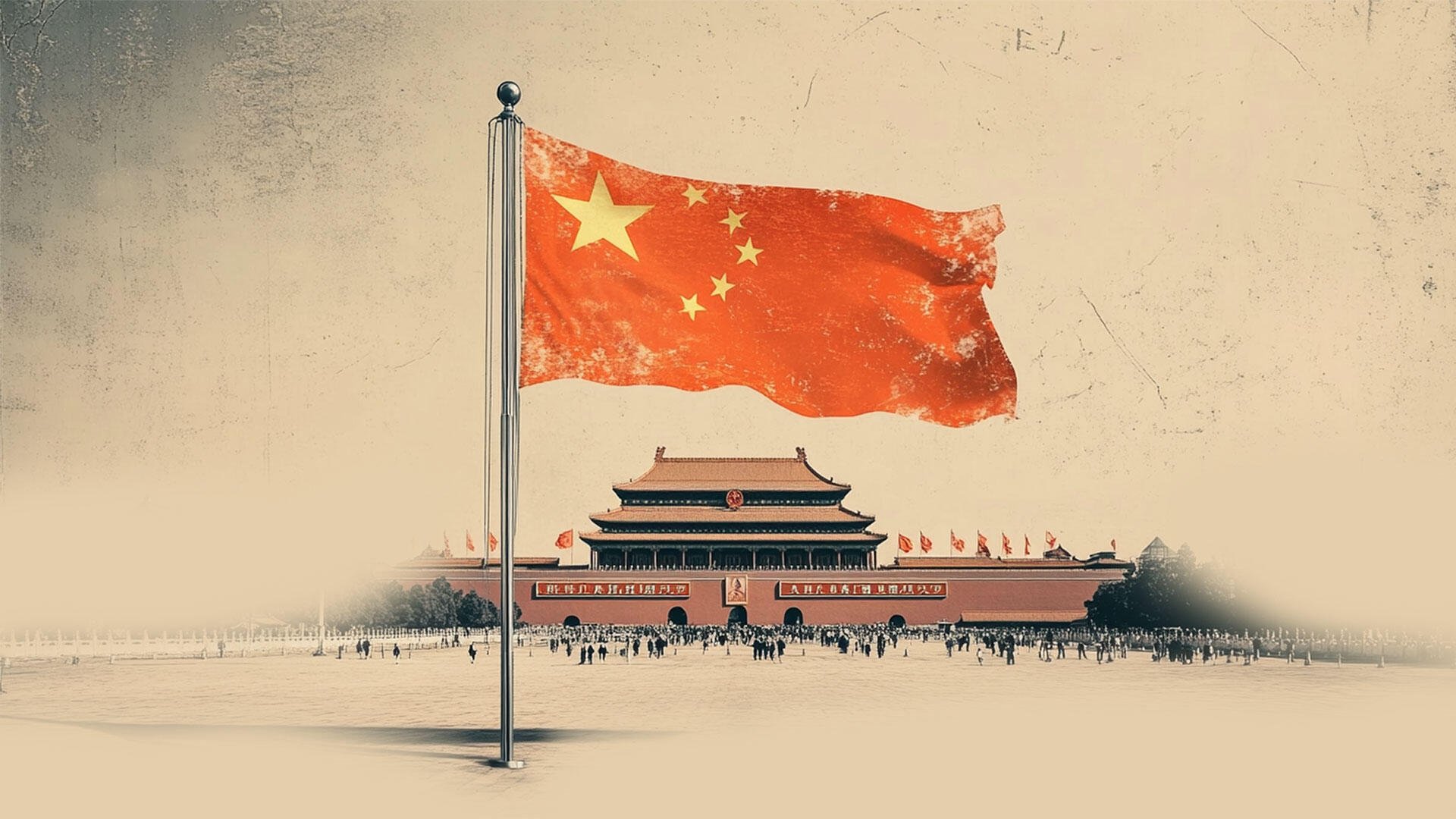

American equities have returned to unprecedented highs. China's still cheap, not too heavily owned, and there's enough doubt around it to get people who go against the grain interested. That contrast has made CHA50 vs. US500 a useful test of whether global capital is beginning to be left behind by an expensive winner for a discounted market.
At this point, the price difference seems more reliable than the flow data. China may be developing into the contrarian trade of 2026. However, a durable rotation has yet to appear.
The US500 keeps justifying its premium
Claims that the US stock market is overvalued have followed the rally for years. In 2026, however, the market has not risen on multiple expansions alone.
By August 10, the S&P 500 had risen 13.3% for the year. Second-quarter results also bolstered the rally: As of August 7, 85.1% of the 436 companies that had reported exceeded analyst expectations. JPMorgan raised its year-end target to 8,000 and increased its 2026 earnings-per-share forecast to $365, citing growth in the cloud sector and improving returns from investments in AI.
Valuation still leaves little room for disappointment. The S&P 500 traded at 20.4 times forward earnings on August 4, according to LSEG data. That was below 22.2 at the end of 2025, but it remained a demanding price during a period of elevated Treasury yields.
US equity market concentration adds another layer of risk. AI-related capital spending has powered earnings across technology, infrastructure, and semiconductors, yet it has also made the index increasingly dependent on a narrow investment cycle. A slowdown in cloud demand or weaker returns on capital could affect several market leaders at once.
Why the China valuation discount is back in focus
The China stock market outlook for 2026 rests on almost the opposite setup. Expectations are subdued, valuations remain cheap, and domestic policy has room to provide additional support.
The FTSE China A50 Index, commonly represented by CHA50, covers the 50 largest A-share companies listed in Shanghai and Shenzhen. It provides greater exposure to mainland banks, insurers, consumer groups, and industrial businesses than a US500 dominated by global technology leaders.
That composition matters when comparing China stocks vs. US stocks. The American index prices continued earnings delivery. The Chinese index reflects persistent concerns over housing, weak wage growth, domestic consumption, regulation, and geopolitics. Russell Investments still described Chinese equities as inexpensive in its second-half outlook, while noting that corporate earnings looked healthier than the economic backdrop.
Factor | CHA50 | US500 |
Market position | Discounted recovery trade | Established global leader |
Main exposure | Mainland finance, consumer, industrials | Technology, AI, global earnings |
Potential catalyst | Stimulus, consumption recovery, earnings stabilization | Strong profits and AI investment returns |
Core risk | Property stress, policy uncertainty, foreign outflows | High valuation, concentration, rising yields |
Market expectation | Low and fragile | High but supported by earnings |
The China valuation discount therefore creates asymmetry. Modest improvements in earnings, household confidence, or policy support could produce a China equity rerating without requiring an economic boom. That is the central case for why Chinese stocks are undervalued, although cheapness alone does not create a catalyst.
Capital rotation into China is still missing
The strongest challenge to the bullish China case comes from actual portfolio flows.
Emerging markets received $18.8 billion from foreign investors in July after two months of net withdrawals. Yet the improvement was led by debt, while emerging-market equities still lost $7.8 billion. China was an outlier even within that mixed recovery: foreign investors withdrew $3.7 billion from Chinese equities and $3.4 billion from its bonds.
That is not capital rotation into China. It is evidence that selling pressure has eased while confidence remains weak.
The distinction also complicates the broader emerging markets vs. US stocks trade. Asia recorded net inflows in July, but those flows did not translate into a decisive rotation from US stocks to China. American earnings continued to attract capital, and China had not yet converted attractive valuations into sustained foreign demand.
What would confirm a China equity rerating?
A real global capital rotation would leave several traces: persistent foreign equity inflows, broader CHA50 participation, improving earnings revisions, and gains that survive periods of renminbi weakness or geopolitical stress.
Until those signals appear, China equities vs. US equities remains a contest between valuation and execution. The China A50 vs S&P 500 comparison offers a wide discount on one side and a powerful profit cycle on the other.
China has the conditions for a contrarian trade. The United States still has the earnings and the capital. Traders following the Versus Pairs CHA50 vs US500 are not watching a completed handover but a challenge that has finally become credible.
Explore Versus Trade CHA50 vs US500 as the valuation gap meets the earnings gap.
Author