|

Indian Rupee: RBI seen on hold as growth solid – Commerzbank
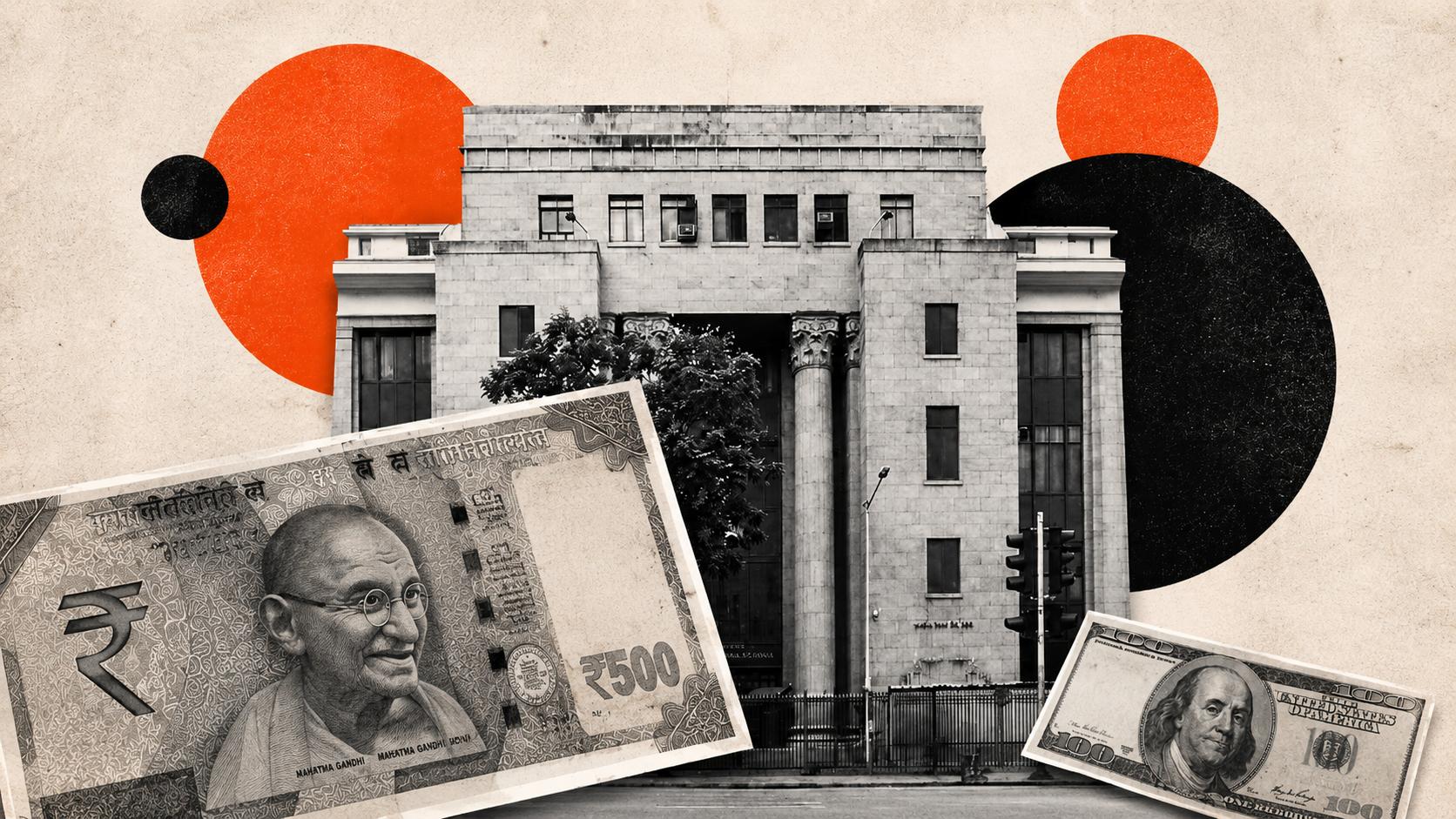
Commerzbank’s analysts report that USD/INR has eased as India’s June industrial production surprised to the upside and inflation stayed within the Reserve Bank of India’s target band. Despite upside risks from commodities and monsoon-related pressures, the bank expects RBI to keep the repo rate unchanged in August, with INR gains limited by ongoing Dollar demand from Oil importers.

RBI cautious with INR supported

"June industrial production surprised to the upside, rising 7.4% yoy (Bloomberg consensus: 6.0%) vs 5.0% in May, marking the strongest reading since July 2024."

"However, forward-looking indicators suggest momentum could moderate in the coming months."

"Although inflation risks remain tilted to the upside due to higher global commodity prices and a weaker monsoon season, the latest report for June CPI showed it rose 4.4% yoy, which was within RBI's 2-6% target range."

"On monetary policy, the Reserve Bank of India (RBI) is expected to leave the benchmark repurchase rate unchanged at 5.25% at its next meeting on 5 August."

"In FX, USD/INR fell 0.2% to 95.64 yesterday, tracking the softer dollar. The pair eased back from the 96.80 level in the past week. RBI’s measures to attract inflows and limits on gold imports have provided some support for INR. However, further INR gains remain capped by USD demand from oil importers amid elevated global crude prices."

(This article was created with the help of an Artificial Intelligence tool and reviewed by an editor. Know more.)

Author

FXStreet Insights Team

The FXStreet Insights Team is a group of journalists that handpicks selected market observations published by renowned experts. The content includes notes by commercial as well as additional insights by internal and external analysts.


More from FXStreet Insights Team
Share:

Editor's Picks

GBP/USD recovers ground above 1.3350 ahead of BoE decision

GBP/USD holds the bounce above 1.3350 in the European session on Thursday. The pair's upside remains capped amid a modest US Dollar recovery. Traders turn cautious and refrain from placing fresh bets ahead of the BoE policy announcements and the US GDP release.

EUR/USD holds losses around 1.1450 despite upbeat German, EU GDP data

EUR/USD stays on the back foot around 1.1450 in the European session on Thursday as the better-than-expected German and Eurozone GDP data fails to support the Euro. The US Dollar recovers ground on renewed Mideast hostilities and the hawkish Fed message. Traders now brace for preliminary readings of the second-quarter GDP from the US. 


Gold bears retain control ahead of US Q2 GDP

Gold maintains its offered tone through the first half of the European session on Thursday and seems vulnerable to following an intraday rejection near the $4,100 mark. Following Wednesday's post-FOMC downfall to a one-week low, the US Dollar (USD) regains positive traction amid escalating US-Iran tensions, weighing on the bullion ahead of the US Q2 GDP release.

Mixed signals leave XRP and XLM at crossroads

Ripple and Stellar are trading at critical technical levels on Thursday. XRP has stabilized above the psychological $1.00 support, while XLM is testing support at $0.173. Traders should be cautious as mixed derivatives metrics keep the outlook uncertain for both altcoins. Derivatives data shows mixed sentiment among traders. CoinGlass’ long-to-short ratio for XRP reads 1.02 on Thursday.

US GDP expected to grow at 2.1% in Q2, unshaken by  Iran conflict
The United States (US) Bureau of Economic Analysis (BEA) is set to publish its preliminary estimate of second-quarter Gross Domestic Product (GDP) on Thursday, with analysts expecting the data to show annualised growth at a solid 2.1%, a modest cooling from the 2.1% expansion recorded in the previous quarter.
US Dollar mid-year outlook: Exceptional currency, exceptional risks?
The US Dollar enters the second half of 2026 in a markedly different position from a year ago. The King currency has recovered, reflecting persistent US inflation, changing expectations for Fed policy, geopolitical tensions and renewed demand for defensive assets.















