|

Indian Rupee: Lower oil prices supports against US Dollar – Commerzbank
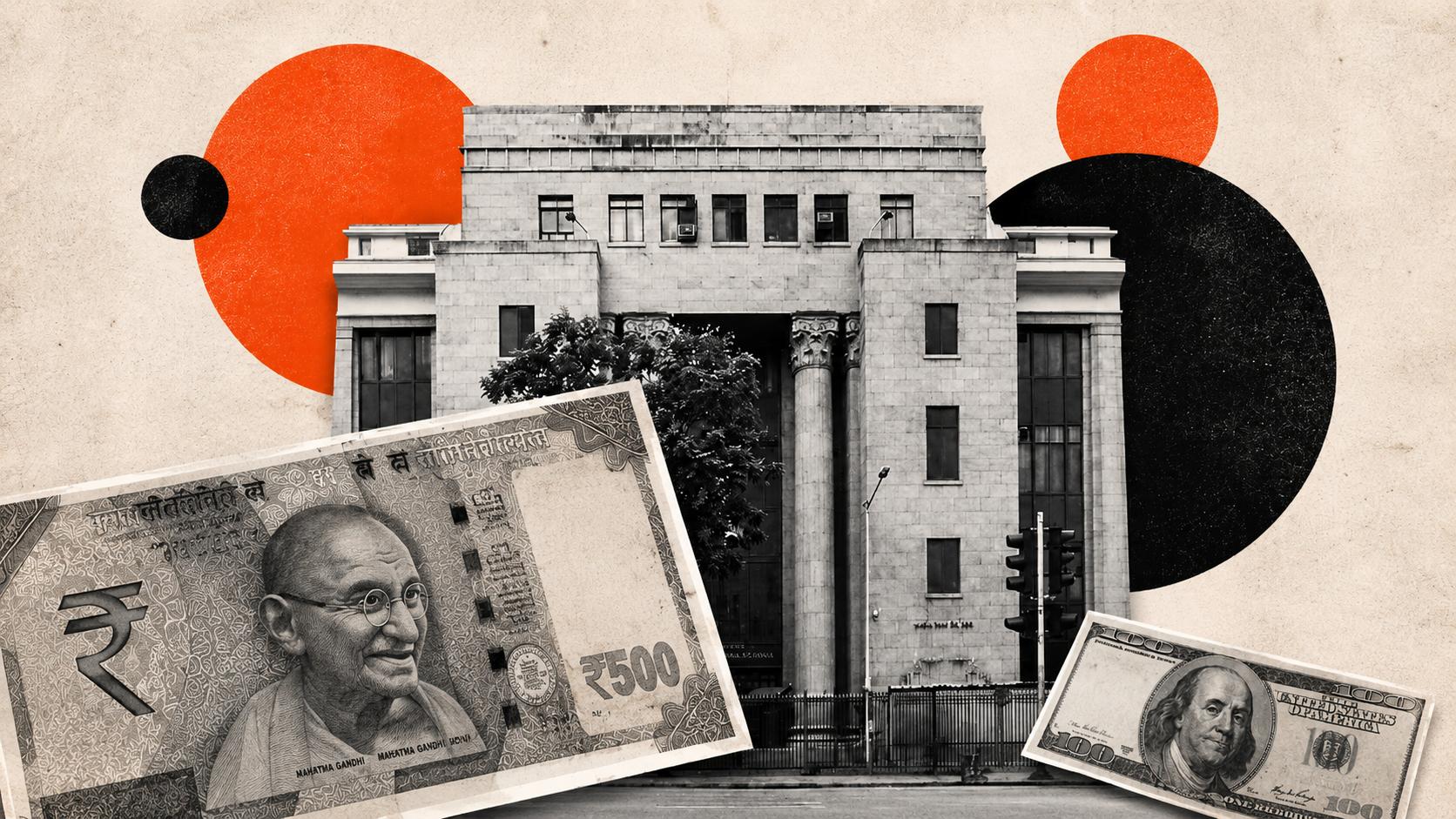
Commerzbank’s Charlie Lay and Dr. Henry Hao note that the outlook for the Indian Rupee (INR) has brightened as lower Oil prices and renewed foreign capital inflows ease balance-of-payments pressures. USD/INR has held near 94.40, with INR the best-performing Asian currency versus the Dollar in June. Strong reserves and policy focus on inflows are seen keeping USD/INR near the lower end of its recent 94-96 range.

Rupee buoyed by oil and inflows

"The outlook for INR has improved in recent weeks as lower crude oil prices and renewed foreign capital inflows have helped to ease pressure on India's balance of payments. USD/INR held steady last week and was slightly lower at around 94.40 after falling by 0.8% the previous week."

"So far in June, INR has recovered the most among Asian currencies vs USD, up 0.6%, followed by PHP by 0.5%. This was largely driven by the sharp drop in oil prices following the recent reopening of the Strait of Hormuz."

"Lower crude prices have reduced concerns over India's energy import bill and inflation outlook, while also improving investor sentiment towards Indian assets. India's foreign exchange reserves gained 0.1% to USD672.6bn in the week ending 19 June. It is among the largest in emerging markets and provides RBI with ample capacity to smooth episodes of excessive currency volatility."

"Looking ahead, the combination of lower oil prices, improving portfolio inflows, and ample foreign exchange reserves should help keep USD/INR near the lower end of its recent 94-96 trading range of the past month. While capital-flow measures should continue to underpin INR, global oil prices remain the single most important determinant of the rupee's near-term outlook."

(This article was created with the help of an Artificial Intelligence tool and reviewed by an editor.)

Author

FXStreet Insights Team

The FXStreet Insights Team is a group of journalists that handpicks selected market observations published by renowned experts. The content includes notes by commercial as well as additional insights by internal and external analysts.


More from FXStreet Insights Team
Share:

Editor's Picks

AUD/USD flirts with 0.7000, lowest since early August amid bullish USD

AUD/USD hits a fresh low since early August during the Asian session on Friday and looks vulnerable near 0.7000 after breaking below the 200-day SMA overnight. Against the backdrop of the hawkish Fed, a two-day rally in oil prices revives inflation fears and continues to push US bond yields to multi-year highs. Adding to this, geopolitical risks lift the US Dollar to a two-month high, overshadowing RBA rate hike bets and weighing on the pair.

USD/JPY pulls back from three-week high after failing near 159.00

USD/JPY edges lower during the Asian session on Friday, stalling its recent strong move to a three-week high of 159.00 as Japanese Yen bears turn cautious amid intervention fears. Meanwhile, the US Dollar retains a strong bullish undertone as the Fed's hawkish outlook and oil-driven inflation fears continue to push US bond yields to multi-year peaks. Furthermore, the BoJ's dovish rate hike last week might cap JPY and support spot prices.

Gold treads water below $4,300

Gold grabs some buying attention and advances marginally at the end of the week, partially retracing the weekly decline, although it is still navigating below the key $4,300 mark per troy ounce. The fresh selling bias on the Greenback and the modest decline in US Treasury yields appear to support the humble advance in the precious metal.

Week ahead: Rate hike bets face a crucial data week
Despite the solid drop from the mid-September high, oil prices remained in the driver’s seat for another week, setting the tone in financial markets. Six months have passed since the late-February start of the US-Iran conflict, and there is still no breakthrough in the stalled talks, despite pressure from regional leaders and the rest of the world.
CFTC Report: Defensive currency positioning takes hold
The week in one sentence: Sterling and Euro shorts deepened in the week to September 22, while Yen longs were cut sharply. Oil positioning improved despite a steep price decline, and Gold exposure remained crowded. The main signal was a more defensive currency positioning backdrop.
Fed vs BoJ: Both hiked. The market only believes one of them – and the chart shows which

The Fed and the BoJ have just done something remarkably similar. Both central banks raised interest rates by 25 bps last week, both are confronting inflation risks, and both signal that future decisions will depend on incoming economic data.