|

India steps up currency defense with tougher US Dollar curbs — Reuters
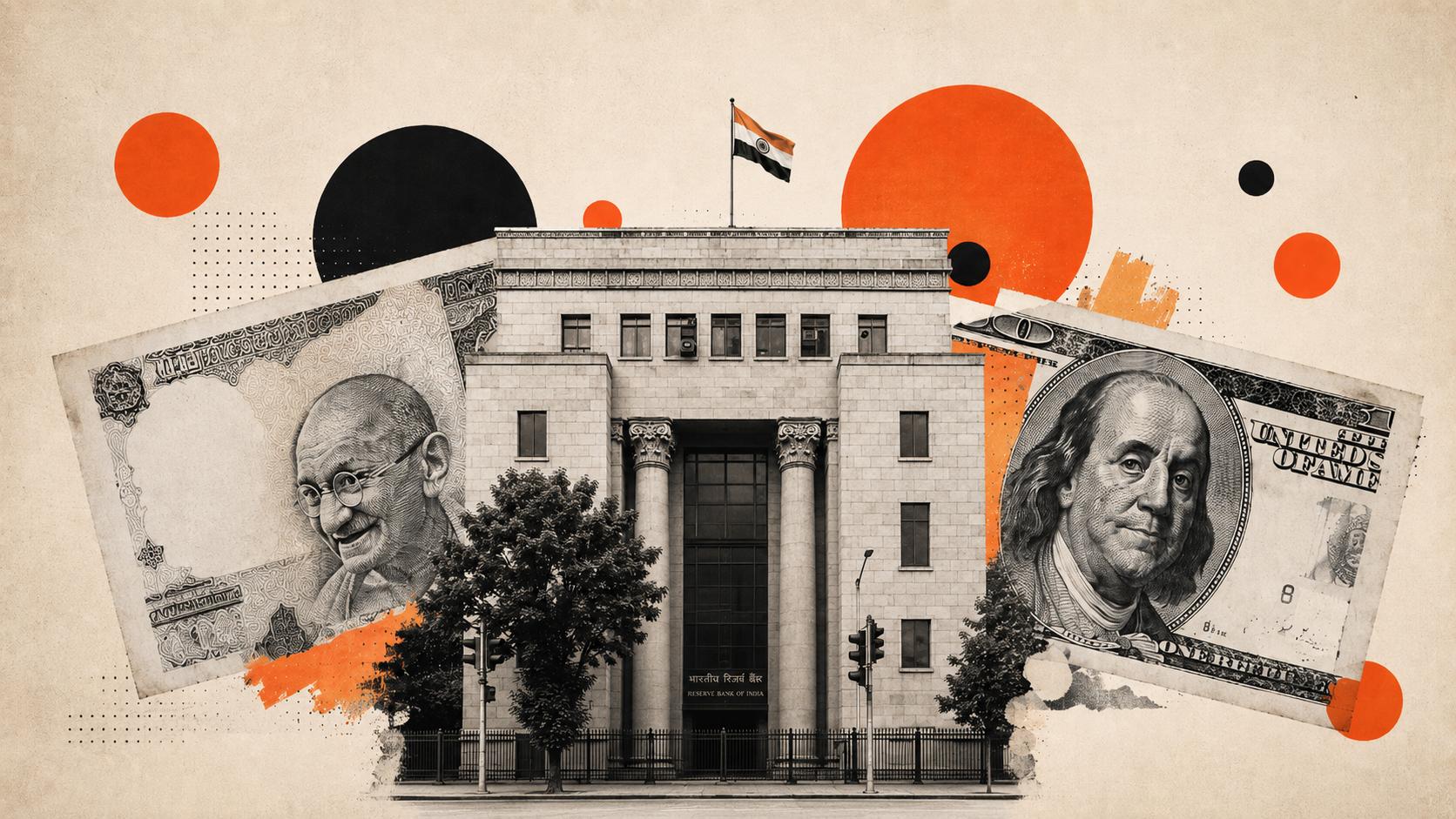
India steps up currency defense with tougher US Dollar curbs — Reuters

India unveiled a new measures to boost the Indian Rupee (INR), redirecting oil companies' US Dollar purchases ‌away from the spot market and tightening hedging rules, Reuters reported on Saturday. The move comes as the domestic currency trades near record lows.

The Reserve Bank of India (RBI) announced the measures amid persistent pressure on the INR, driven by rising oil prices and higher global bond yields. The Indian central bank will establish a special window to meet the daily dollar requirements of three state-run oil-marketing companies, easing pressure on the spot market.

The mechanism, which has been used during periods of currency volatility, allows the RBI to supply dollars directly to oil companies from its foreign exchange reserves. Indian Oil Corporation, Hindustan Petroleum Corporation and Bharat Petroleum Corporation will be eligible to use the facility starting Monday, according to the RBI.

Market reaction

At the time of writing, the USD/INR pair is down 0.02% on the day at 96.77.

RBI FAQs

The role of the Reserve Bank of India (RBI), in its own words, is "..to maintain price stability while keeping in mind the objective of growth.” This involves maintaining the inflation rate at a stable 4% level primarily using the tool of interest rates. The RBI also maintains the exchange rate at a level that will not cause excess volatility and problems for exporters and importers, since India’s economy is heavily reliant on foreign trade, especially Oil.

The RBI formally meets at six bi-monthly meetings a year to discuss its monetary policy and, if necessary, adjust interest rates. When inflation is too high (above its 4% target), the RBI will normally raise interest rates to deter borrowing and spending, which can support the Rupee (INR). If inflation falls too far below target, the RBI might cut rates to encourage more lending, which can be negative for INR.

Due to the importance of trade to the economy, the Reserve Bank of India (RBI) actively intervenes in FX markets to maintain the exchange rate within a limited range. It does this to ensure Indian importers and exporters are not exposed to unnecessary currency risk during periods of FX volatility. The RBI buys and sells Rupees in the spot market at key levels, and uses derivatives to hedge its positions.

Author

Lallalit Srijandorn

Lallalit Srijandorn is a Parisian at heart. She has lived in France since 2019 and now becomes a digital entrepreneur based in Paris and Bangkok.


More from Lallalit Srijandorn
Share:

Editor's Picks

AUD/USD bulls seem hesitant near 0.6650 amid Fed-RBA divergence

AUD/USD defends bids near 0.6650 in Thursday’s Asian session, pausing the overnight bounce from the YTD low. Improving risk sentiment keeps the safe-haven US Dollar on the defensive ahead of the Thanksgiving long weekend, lending some support to the Aussie. However, divergent Fed-RBA monetary policy expectations cap the pair amid US tariff risks and Middle East hostilities.

USD/JPY battles 159.00 on renewed weakness, hawkish BoJ-speak

USD/JPY battles 159.00 in Asia on Thanksgiving Thursday after yesterday’s two-way moves. Hawkish BoJ commentary and intervention risks offer fresh support to the Japanese Yen. Meanwhile, the US Dollar remains on the back foot despite Fed rate-hike bets, contributing to the pair's latest leg down.

Gold stays below $3,600 as Fed rate hike bets and geopolitical risks support USD

Gold extends the range play below the $3,600 mark during the early European session on Thursday and, for now, seems to have stalled the previous day's solid bounce from its lowest level since August 2025. The incoming US macro data pointed to a combination of stubbornly high inflation and resilient economic growth, underpinning prospects for further policy tightening by the Federal Reserve. This, along with the emergence of some US Dollar buying, contributes to capping the commodity.

Pi Network hints at a bullish trend reversal as selling pressure eases

Pi Network attracts some buying on Thursday, up 2% so far and advancing the mild gains from the previous day. The recovery coincides with easing risk-off sentiment in the broader cryptocurrency market following Wednesday's Personal Consumption Expenditures Price Index, which met market expectations.

Markets attempt to recover as thanksgiving brings thinner trading
Important news this week. Equity markets experienced another volatile session on Wednesday, initially falling sharply before recovering much of their losses during US trading. The S&P 500 and Nasdaq managed to move away from their intraday lows, while Asian markets are also showing signs of stabilisation.
Gold falls below $3,500 to its lowest since September 2025 after core PCE
Gold (XAU/USD) extends its sell-off on Wednesday, hitting its lowest level since September 2025. The precious metal breaks below the psychological $3,500 level after hotter-than-expected core inflation data from the United States (US), while turmoil across equity markets fuels further liquidations.















