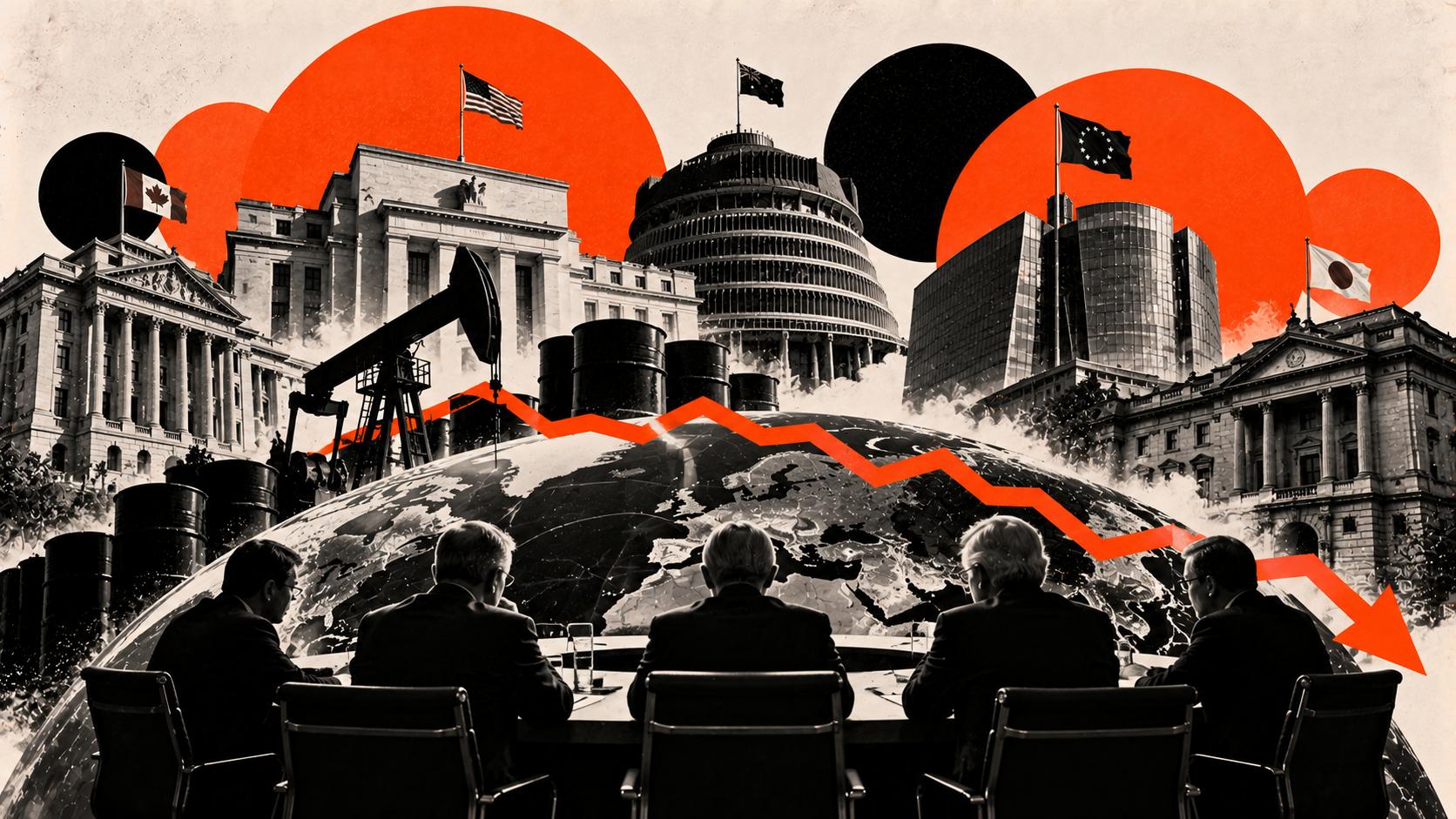
Euro hangs near monthly low, holds above 1.1350 as USD bulls pause ahead of FOMC meeting
- EUR/USD holds steady above the monthly low as USD bulls pause ahead of the FOMC meeting.
- A pause in US-Iran hostilities, easing inflation concerns, and reduced Fed hike bets cap the USD.
- The fundamental backdrop warrants caution before placing aggressive bullish bets on the pair.
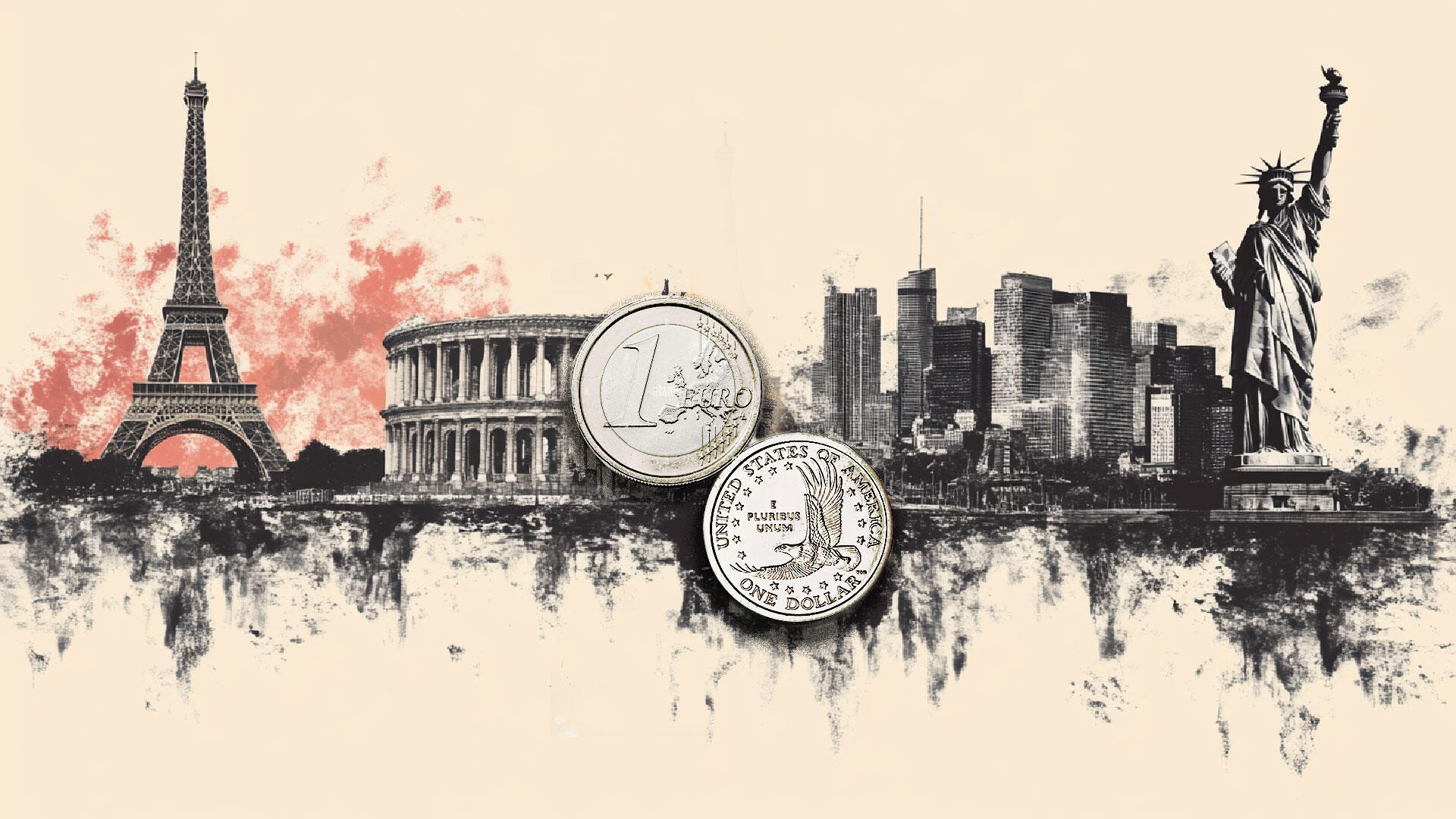
The EUR/USD pair is seen consolidating near the monthly trough and trading just above mid-1.1300s during the Asian session on Tuesday. Traders seem hesitant and await the outcome of a two-day FOMC policy meeting before placing aggressive directional bets.
The US Federal Reserve (Fed) is scheduled to announce its decision on Wednesday and is widely expected to leave interest rates unchanged. Investors, however, will look for cues about the Fed's future policy path, which, in turn, will play a key role in influencing the near-term US Dollar (USD) price dynamics and providing some meaningful impetus to the EUR/USD pair.
Heading into the key central bank event risk, a pause in US-Iran hostilities led to the overnight slump in crude oil prices and eased inflation fears, tempering Fed rate-hike bets. This caps the USD near the monthly swing high and supports the EUR/USD pair. However, concerns about significant disruptions to global oil supplies keep inflation risks in play and favor USD bulls.
Hence, it will be prudent to wait for strong follow-through buying before confirming that the EUR/USD pair has formed a near-term bottom and positioning for any meaningful appreciating move. Meanwhile, the fundamental backdrop seems tilted in favor of USD bulls, suggesting that any attempted recovery in the currency pair is likely to be sold into and remain capped.
Fed FAQs
Monetary policy in the US is shaped by the Federal Reserve (Fed). The Fed has two mandates: to achieve price stability and foster full employment. Its primary tool to achieve these goals is by adjusting interest rates. When prices are rising too quickly and inflation is above the Fed’s 2% target, it raises interest rates, increasing borrowing costs throughout the economy. This results in a stronger US Dollar (USD) as it makes the US a more attractive place for international investors to park their money. When inflation falls below 2% or the Unemployment Rate is too high, the Fed may lower interest rates to encourage borrowing, which weighs on the Greenback.
The Federal Reserve (Fed) holds eight policy meetings a year, where the Federal Open Market Committee (FOMC) assesses economic conditions and makes monetary policy decisions. The FOMC is attended by twelve Fed officials – the seven members of the Board of Governors, the president of the Federal Reserve Bank of New York, and four of the remaining eleven regional Reserve Bank presidents, who serve one-year terms on a rotating basis.
In extreme situations, the Federal Reserve may resort to a policy named Quantitative Easing (QE). QE is the process by which the Fed substantially increases the flow of credit in a stuck financial system. It is a non-standard policy measure used during crises or when inflation is extremely low. It was the Fed’s weapon of choice during the Great Financial Crisis in 2008. It involves the Fed printing more Dollars and using them to buy high grade bonds from financial institutions. QE usually weakens the US Dollar.
Quantitative tightening (QT) is the reverse process of QE, whereby the Federal Reserve stops buying bonds from financial institutions and does not reinvest the principal from the bonds it holds maturing, to purchase new bonds. It is usually positive for the value of the US Dollar.
Author

Haresh Menghani
FXStreet
Haresh Menghani is a detail-oriented professional with 10+ years of extensive experience in analysing the global financial markets.