Economists agree: BoE will hold rates through year-end – Reuters poll
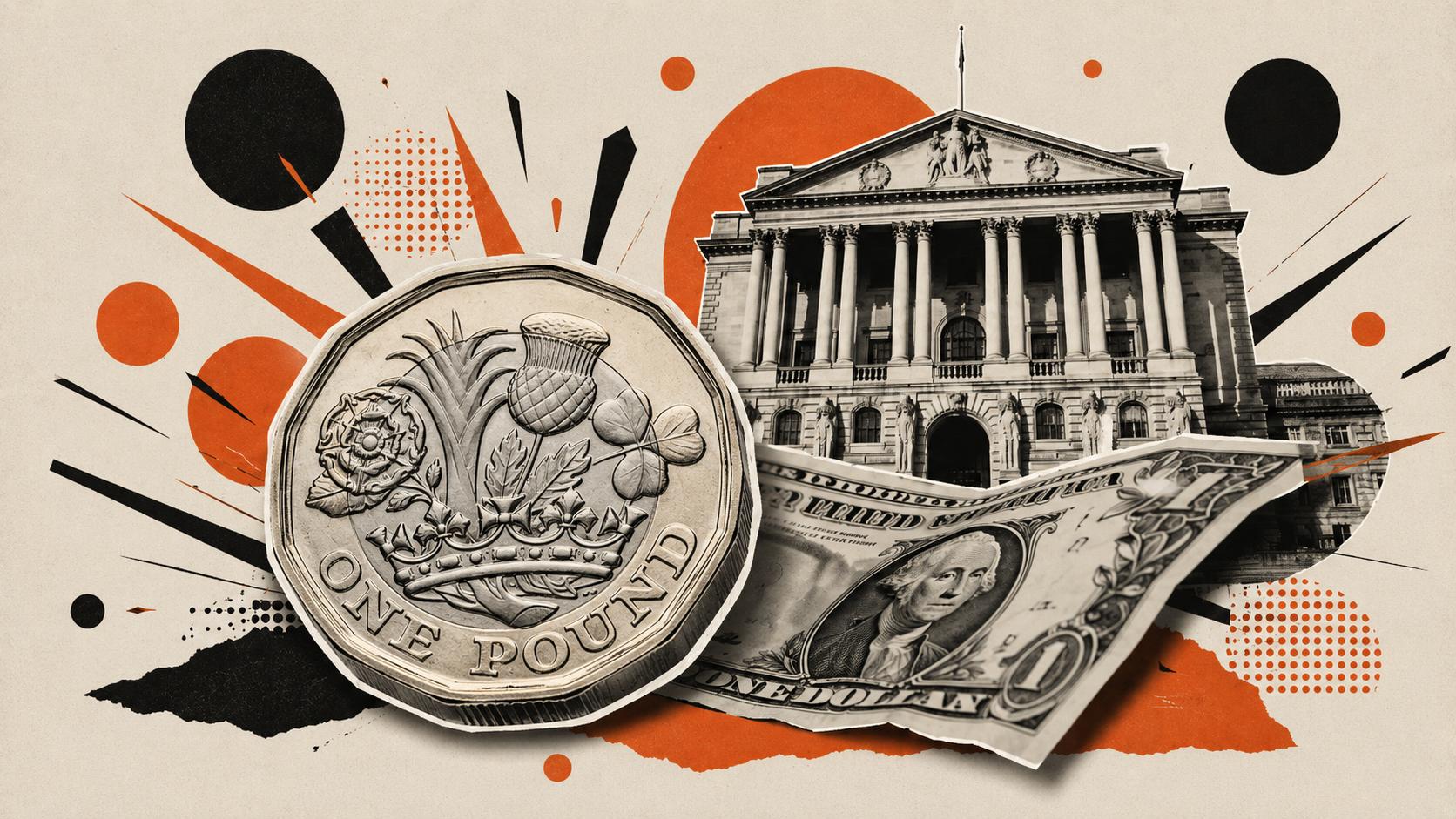
The Bank of England (BoE) will keep interest rates unchanged for the rest of the year, according to a Reuters poll conducted between August 13 and 18.
Nearly 90% of economists, or 56 of 64, expect the BoE to leave rates unchanged at 3.75% through the end of 2026, up from 83% last month. All respondents forecast no change at the central bank’s next meeting in September.
Economists largely agree that the BoE can stay patient as the inflationary impact of higher Oil prices remains modest despite inflation staying above the 2% target.
The poll also showed a narrow majority of economists expect at least one rate cut by mid-2027, even though inflation is forecast to stay above target until late next year.
Attention now turns to the UK inflation report for July, due on Wednesday. Headline Consumer Price Index (CPI) inflation is expected to rise to 2.9% YoY from 2.6%, while core inflation is forecast to ease to 2.5% from 2.6%.
BoE FAQs
The Bank of England (BoE) decides monetary policy for the United Kingdom. Its primary goal is to achieve ‘price stability’, or a steady inflation rate of 2%. Its tool for achieving this is via the adjustment of base lending rates. The BoE sets the rate at which it lends to commercial banks and banks lend to each other, determining the level of interest rates in the economy overall. This also impacts the value of the Pound Sterling (GBP).
When inflation is above the Bank of England’s target it responds by raising interest rates, making it more expensive for people and businesses to access credit. This is positive for the Pound Sterling because higher interest rates make the UK a more attractive place for global investors to park their money. When inflation falls below target, it is a sign economic growth is slowing, and the BoE will consider lowering interest rates to cheapen credit in the hope businesses will borrow to invest in growth-generating projects – a negative for the Pound Sterling.
In extreme situations, the Bank of England can enact a policy called Quantitative Easing (QE). QE is the process by which the BoE substantially increases the flow of credit in a stuck financial system. QE is a last resort policy when lowering interest rates will not achieve the necessary result. The process of QE involves the BoE printing money to buy assets – usually government or AAA-rated corporate bonds – from banks and other financial institutions. QE usually results in a weaker Pound Sterling.
Quantitative tightening (QT) is the reverse of QE, enacted when the economy is strengthening and inflation starts rising. Whilst in QE the Bank of England (BoE) purchases government and corporate bonds from financial institutions to encourage them to lend; in QT, the BoE stops buying more bonds, and stops reinvesting the principal maturing on the bonds it already holds. It is usually positive for the Pound Sterling.
Author

Vishal Chaturvedi
FXStreet
I am a macro-focused research analyst with over four years of experience covering forex and commodities market. I enjoy breaking down complex economic trends and turning them into clear, actionable insights that help traders stay ahead of the curve.

















