|

Canadian Dollar: Trade war escalation threatens recent strength – MUFG
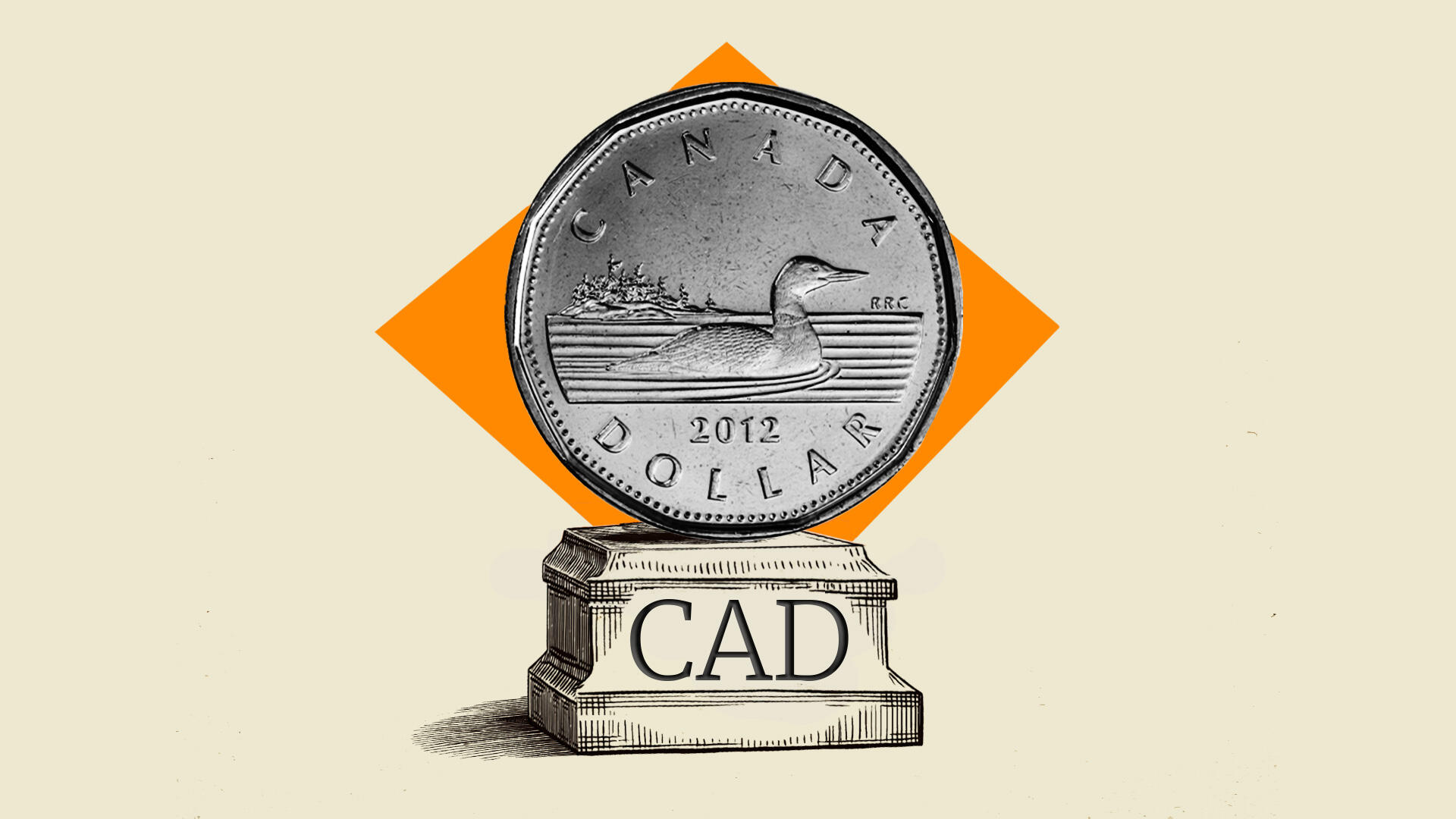
MUFG's Derek Halpenny argues the Canadian Dollar’s (CAD) reaction to the new US tariffs on USD 20bn of Canadian exports will hinge on escalation risks rather than the initial measures. CAD has underperformed in G10 after talks broke down, and Halpenny warns that tit-for-tat tariffs and fading support from higher Oil could intensify CAD downside if the dispute remains unresolved.

Tariff spiral risk weighs on Canadian Dollar

"There was always a risk of a breakdown in negotiations on reaching a deal to avoid a US import tariff on USD 20bn worth of Canada exports, so we are unlikely to see a large sell-off of the Canadian dollar in response to the breakdown, confirmed late on Friday night. However, CAD is the clear underperformer in G10 so far today."

"The medium-term FX and broader market response in Canada will be dictated not by this breakdown but by the evidence that this could escalate quickly and end with investors pricing greater economic harm for Canada. By promising to match dollar for dollar that risk of spiral is real."

"At this juncture the tariff of 50% on USD 20bn worth of US imports from Canada account for just 5% of Canada’s exports to the US. The tariffs took effect on Saturday morning at 12:01am applying to a range of goods from beer, wine, spirits, milk products and hockey equipment."

"Covering the post-covid period, starting in 2022, USD/CAD and the 2-year swap rate spread has moved very tightly together over most of that period and the current 2-year US-CA swap spread suggests USD/CAD has over-extended to the downside and should currently be trading a little above the 1.4000 level, or around 2.0% higher than the spot close on Friday."

"A quick retaliation by the US will undoubtedly force PM Carney to follow “dollar for dollar” that could see investor confidence hit more severely. CAD downside risks will intensify the longer there is no resolution to this escalating trade war."

(This article was created with the help of an Artificial Intelligence tool and reviewed by an editor. Know more.)

Author

FXStreet Insights Team

The FXStreet Insights Team is a group of journalists that handpicks selected market observations published by renowned experts. The content includes notes by commercial as well as additional insights by internal and external analysts.


More from FXStreet Insights Team
Share:

Editor's Picks

AUD/USD bulls regain control above 0.6950 amid USD retreat

AUD/USD regains traction and extends the previous day's bounce from the weekly low, aiming for 0.7000 in Asia on Friday. The overnight pullback in US bond yields keeps the US Dollar below an 18-month high, which in turn offers some support to the pair. Meanwhile, hawkish RBA expectations also keep the major underpinned.

USD/JPY holds gains near 158.00 after Japan's weak Household Spending data

USD/JPY clings to gains around 158.00 after data showed on Friday that Japan's Household Spending fell for the ninth straight month, undermining the Japanese Yen. Meanwhile, the US Dollar remains depressed as the overnight fall in US bond yields counters a hawkish Fed and geopolitical uncertainties, could cap any downside in the pair.

Gold looks to regain $4,200 amid pre-US CPI repositioning

Gold is stretching higher toward $4,200 on Friday, extending recovery from two-month lows. US Dollar eases in tandem with Oil prices and Treasury yields, awaiting US sentiment data. The tide seems to be turning in favor of Gold, but the daily RSI is still bearish.


Ethereum drops below $2,500 as rising Treasury yields trigger selling pressure​
Ethereum (ETH) fell below $2,500 on Thursday, down nearly 4% and extending losses for a third consecutive day. The decline follows rising Oil prices and US Treasury yields over the past few days. The 10Y Note Yield reached a 24-year high at 5.35%, and the 30Y Note Yield climbed above 5.70% earlier on the day, sparking major distributions in the crypto market.
The inflation illusion: How government formulas shape the data
Every month, the government releases a barrage of economic statistics. Employment, inflation, consumer spending, economic growth, and countless other measurements are presented as objective facts that policymakers, investors, and the public can use to understand the economy. But what happens when the methodology used to produce those numbers changes?
The UK 30-year gilt just hit a 1998 high. Is that good or bad for the British Pound?
The yield on the UK's 30-year government bond, or gilt, went through 6% on October 1 for the first time since early 1998, and on Monday the Pound was at its strongest against the Euro since June 2025. The gilt market's 28-year high is mostly someone else's. Since early May, the 30-year gilt yield has risen about 0.15 of a percentage point and the US 30-year about 0.7.