Canadian Dollar climbs to four-week top vs USD amid rising Oil prices; focus shifts to BoC
- USD/CAD attracts some follow-through sellers amid a combination of negative factors.
- Receding Fed hike bets weigh on the USD, while bullion Oil prices underpin the Loonie.
- Traders now look to the BoC rate decision, US PPI, and Fed’s Warsh for a fresh impetus.
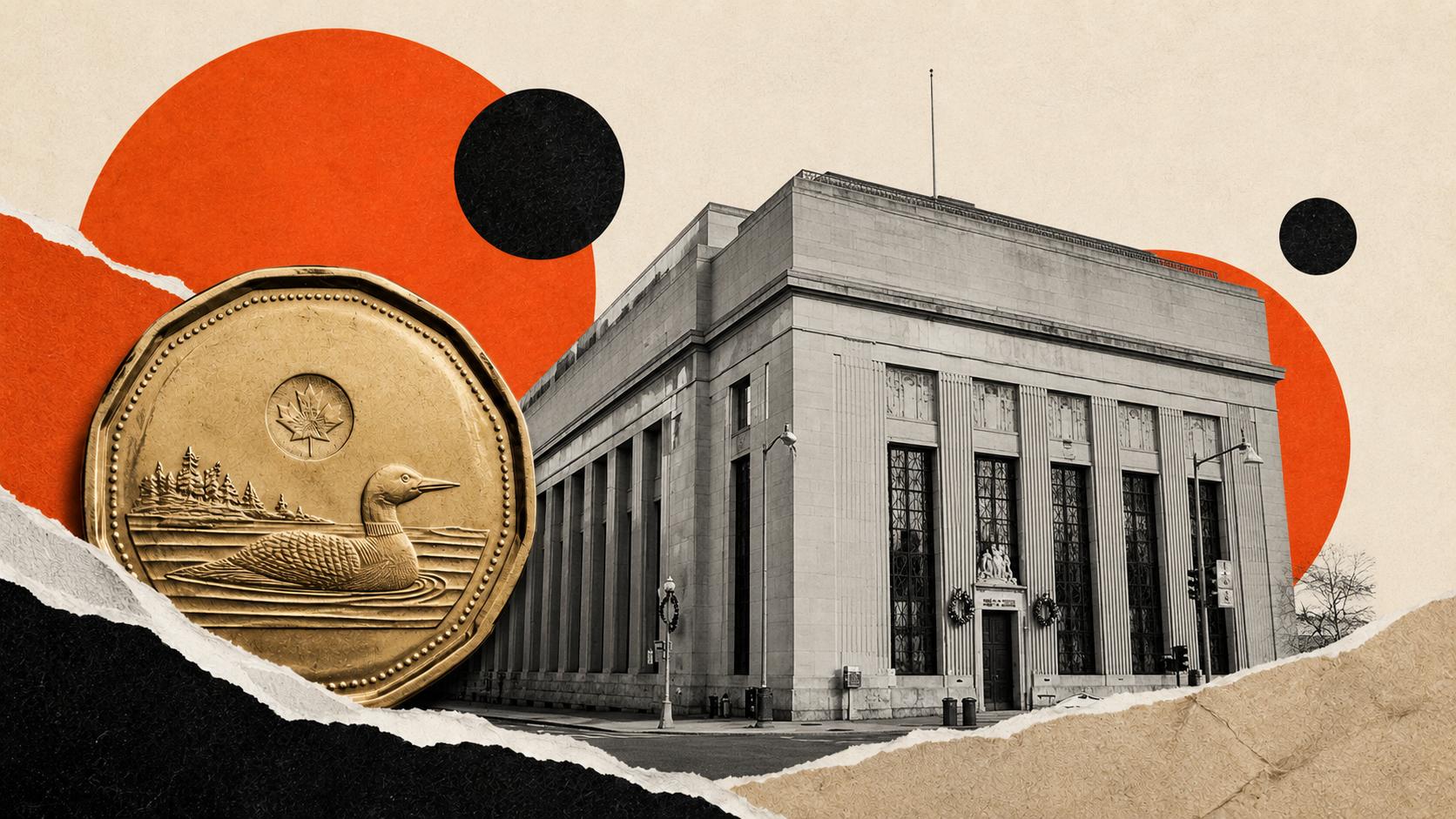
The USD/CAD pair remains under some selling pressure for the second straight day and drops to a four-week low, around the 1.4045-1.4040 region during the Asian session on Wednesday. Moreover, the fundamental backdrop seems tilted in favor of bearish traders and backs the case for an extension of the recent retracement slide from the highest level since April 2025, set last month.
The US Dollar (USD) struggles to capitalize on the overnight bounce from a multi-week low as traders continue to scale back their expectations of Federal Reserve (Fed) rate hikes in the wake of softer US consumer inflation data. In fact, the headline US Consumer Price Index (CPI) declined 0.4% in June, more than the 0.1% fall expected and representing the largest monthly drop since April 2020. Furthermore, elevated Crude Oil prices underpin the commodity-linked Loonie and exert some downward pressure on the USD/CAD pair.
In fact, the black liquid climbed to a nearly one-month high on Tuesday amid escalating US-Iran tensions and the closure of the Strait of Hormuz. In the latest developments, the US military launched another set of airstrikes against Iran on Tuesday, while Iran retaliated with attacks on US military assets in Gulf countries. Furthermore, US President Donald Trump warned that the US would strike Iranian bridges and power plants next week unless Tehran returns to the negotiating table. This keeps the geopolitical risk premium in play.
Meanwhile, bullish Crude Oil prices continue to fuel worries about energy-driven inflationary pressures, which might force the US central bank to stick to its hawkish stance and could act as a tailwind for the safe-haven buck. Traders might also opt to wait for the Bank of Canada (BoC) interest rate decision, the release of the US Producer Price Index (PPI), and Fed Chair Kevin Warsh's second day of congressional testimony. This, in turn, should provide a fresh impetus to the USD/CAD pair later during the North American session.
Bank of Canada FAQs
The Bank of Canada (BoC), based in Ottawa, is the institution that sets interest rates and manages monetary policy for Canada. It does so at eight scheduled meetings a year and ad hoc emergency meetings that are held as required. The BoC primary mandate is to maintain price stability, which means keeping inflation at between 1-3%. Its main tool for achieving this is by raising or lowering interest rates. Relatively high interest rates will usually result in a stronger Canadian Dollar (CAD) and vice versa. Other tools used include quantitative easing and tightening.
In extreme situations, the Bank of Canada can enact a policy tool called Quantitative Easing. QE is the process by which the BoC prints Canadian Dollars for the purpose of buying assets – usually government or corporate bonds – from financial institutions. QE usually results in a weaker CAD. QE is a last resort when simply lowering interest rates is unlikely to achieve the objective of price stability. The Bank of Canada used the measure during the Great Financial Crisis of 2009-11 when credit froze after banks lost faith in each other’s ability to repay debts.
Quantitative tightening (QT) is the reverse of QE. It is undertaken after QE when an economic recovery is underway and inflation starts rising. Whilst in QE the Bank of Canada purchases government and corporate bonds from financial institutions to provide them with liquidity, in QT the BoC stops buying more assets, and stops reinvesting the principal maturing on the bonds it already holds. It is usually positive (or bullish) for the Canadian Dollar.
Author

Haresh Menghani
FXStreet
Haresh Menghani is a detail-oriented professional with 10+ years of extensive experience in analysing the global financial markets.