British Pound languishes near late July lows as hawkish Fed underpins USD ahead of BoE
- GBP/USD struggles to gain any meaningful traction as traders now await the BoE rate decision.
- The USD preserves Wednesday’s hawkish Fed-inspired gains and caps the upside for the major.
- Geopolitical risks further underpin the buck and back the case for additional losses for the pair.
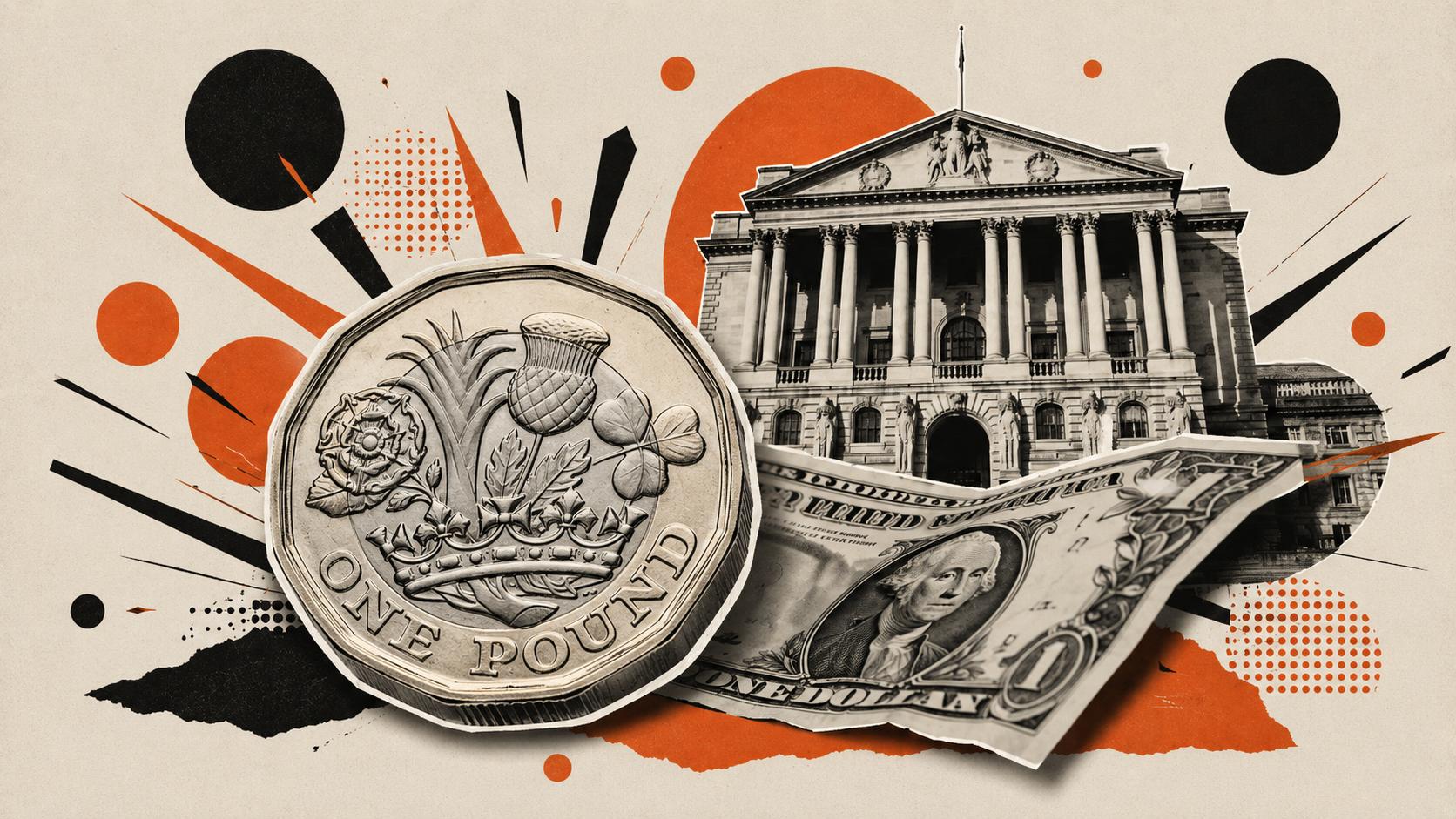
The GBP/USD pair enters a bearish consolidation phase during the Asian session on Thursday and currently trades around the 1.3380-1.3375 region, near the lowest level since July 30. Traders now seem hesitant and opt to wait for the Bank of England (BoE) rate decision before placing fresh directional bets.
Policymakers at the BoE are expected to keep interest rates steady at the conclusion of the September meeting, suggesting that the focus will be on the forward guidance amid rising energy prices due to the prolonged Middle East conflict. Market players are currently pricing in an 80% chance of a hike in November, the first of around four expected over the next year. Nevertheless, the outlook will play a key role in influencing the British Pound (GBP) and provide some impetus to the GBP/USD pair.
BoE expected to hold but signal November hike risk
Analysts at MUFG/BTMU expect the BoE to deliver what they describe as a "fairly hawkish hold" at tomorrow’s meeting, using the decision to "provide a signal that a rate hike in November is on the cards if energy pricing remains elevated." They have "pencilled in a 6-3 vote again," while cautioning that "a 5-4 split would be no surprise, with Lombardelli being the most likely to join the dissenters." Overall, MUFG/BTMU judge that "for now, a majority on the MPC is likely to believe that a ‘wait-and-see’ approach is still tenable," even as the Committee keeps the door open to further tightening later in the year.
Heading into the key central bank event, the US Dollar (USD) is seen consolidating near its highest level since late July and offers some support to the currency pair. However, the US Federal Reserve's (Fed) hawkish stance, along with Middle East jitters, favors USD bulls and should keep a lid on any meaningful recovery for the GBP/USD pair. The US central bank decided to raise the policy rate by 25 basis points (bps) on Wednesday, as anticipated, and signaled a follow-up move by the end of this year.
Meanwhile, the US-Iran standoff keeps the geopolitical risk premium in play and should further underpin the safe-haven buck. This, in turn, suggests that the path of least resistance for the GBP/USD pair remains to the downside and any recovery attempt is more likely to be sold into. Even from a technical perspective, the overnight breakdown below the very important 200-day Simple Moving Average (SMA) validates the negative outlook, warranting some caution for aggressive bullish traders.
GBP/USD daily chart
Technical Analysis
The GBP/USD pair holds a bearish near-term bias below the 200-day Simple Moving Average (SMA) at 1.3454. Moreover, spot prices have slipped back under the key 38.2% Fibonacci retracement area, suggesting that rallies could stay capped beneath the 50% Fibo. and the 100-SMA confluence.
On the downside, immediate support emerges at the 61.8% Fibo retracement at 1.3346, ahead of a deeper floor at the 78.6% level near 1.3256 and the prior cycle low region around 1.3141.
(The technical analysis of this story was written with the help of an AI tool. Know more.)
BoE FAQs
The Bank of England (BoE) decides monetary policy for the United Kingdom. Its primary goal is to achieve ‘price stability’, or a steady inflation rate of 2%. Its tool for achieving this is via the adjustment of base lending rates. The BoE sets the rate at which it lends to commercial banks and banks lend to each other, determining the level of interest rates in the economy overall. This also impacts the value of the Pound Sterling (GBP).
When inflation is above the Bank of England’s target it responds by raising interest rates, making it more expensive for people and businesses to access credit. This is positive for the Pound Sterling because higher interest rates make the UK a more attractive place for global investors to park their money. When inflation falls below target, it is a sign economic growth is slowing, and the BoE will consider lowering interest rates to cheapen credit in the hope businesses will borrow to invest in growth-generating projects – a negative for the Pound Sterling.
In extreme situations, the Bank of England can enact a policy called Quantitative Easing (QE). QE is the process by which the BoE substantially increases the flow of credit in a stuck financial system. QE is a last resort policy when lowering interest rates will not achieve the necessary result. The process of QE involves the BoE printing money to buy assets – usually government or AAA-rated corporate bonds – from banks and other financial institutions. QE usually results in a weaker Pound Sterling.
Quantitative tightening (QT) is the reverse of QE, enacted when the economy is strengthening and inflation starts rising. Whilst in QE the Bank of England (BoE) purchases government and corporate bonds from financial institutions to encourage them to lend; in QT, the BoE stops buying more bonds, and stops reinvesting the principal maturing on the bonds it already holds. It is usually positive for the Pound Sterling.
Author

Haresh Menghani
FXStreet
Haresh Menghani is a detail-oriented professional with 10+ years of extensive experience in analysing the global financial markets.