|

Brent: Market reacts to Iran headlines – ING

ING analysts Warren Patterson and Ewa Manthey say the Brent market remains highly sensitive to Iran-related news, with prices dropping sharply on renewed hopes of a US-Iran agreement and improved tanker flows through the Strait of Hormuz. Their base case projects Brent averaging $104/bbl this quarter before easing into the $90s later in the year, contingent on recovering Persian Gulf exports.

Brent outlook hinges on Hormuz flows

"The oil market remains overly sensitive to Iran-related headlines, with participants continuing to pin considerable hope on reports that talks between the US and Iran are progressing."

"The latest report suggests that the US is in the “final stages” with Iran, raising hopes for an end to the war and reopening of the Strait of Hormuz."

"Our base case sees Brent averaging $104/bbl this quarter."

"Then, we see oil trading into the $90s in the second half of the year, assuming that Strait of Hormuz oil flows amount to around 4m b/d by the end of May."

"We will need to see this trend of tankers passing through the Strait of Hormuz continue for our base case to hold."

(This article was created with the help of an Artificial Intelligence tool and reviewed by an editor.)

Author

FXStreet Insights Team

The FXStreet Insights Team is a group of journalists that handpicks selected market observations published by renowned experts. The content includes notes by commercial as well as additional insights by internal and external analysts.


More from FXStreet Insights Team
Share:

Editor's Picks

AUD/USD: Next upside target comes at 0.7000

AUD/USD has advanced further, clinching its third consecutive day of gains and trading at shouting distance from the key 0.7000 threshold on Tuesday. The widespread improved sentiment in the risk complex helped the Aussie maintain its upside momentum, while the fresh selling impulse in the Greenback also contributed to the move.

USD/JPY rises back above 158.00 despite hawkish BoJ outlook

USD/JPY rises back above 158.00 in the early European morning on Tuesday. The pair strengthens as the Japanese Yen fails to find any inspiration from hawkish BoJ expectations and looming intervention risks. Meanwhile, geopolitical uncertainty and elevated US bond yields keep the US Dollar near its YTD high despite receding October Fed hike bets. This, in turn, helps the pair stay supported.

Gold stays firm; looks at $4,200

Gold builds on Monday’s marginal bounce, although it struggles to reclaim the key $4,200 mark per troy ounce so far on Tuesday. The yellow metal’s advance comes on the back of the fresh downside momentum in the US Dollar in tandem with retreating US Treasury yields across the curve.

ZEC expands institutional momentum as Winklevoss files for Zcash ETF
Winklevoss Asset Services, co-owned by crypto exchange Gemini founders Cameron and Tyler Winklevoss, filed a Form S-1 registration statement with the US Securities and Exchange Commission (SEC) on Tuesday for the Winklevoss Zcash (ZEC) ETF. The filing proposes a fund that would hold ZEC and seek to track its price.
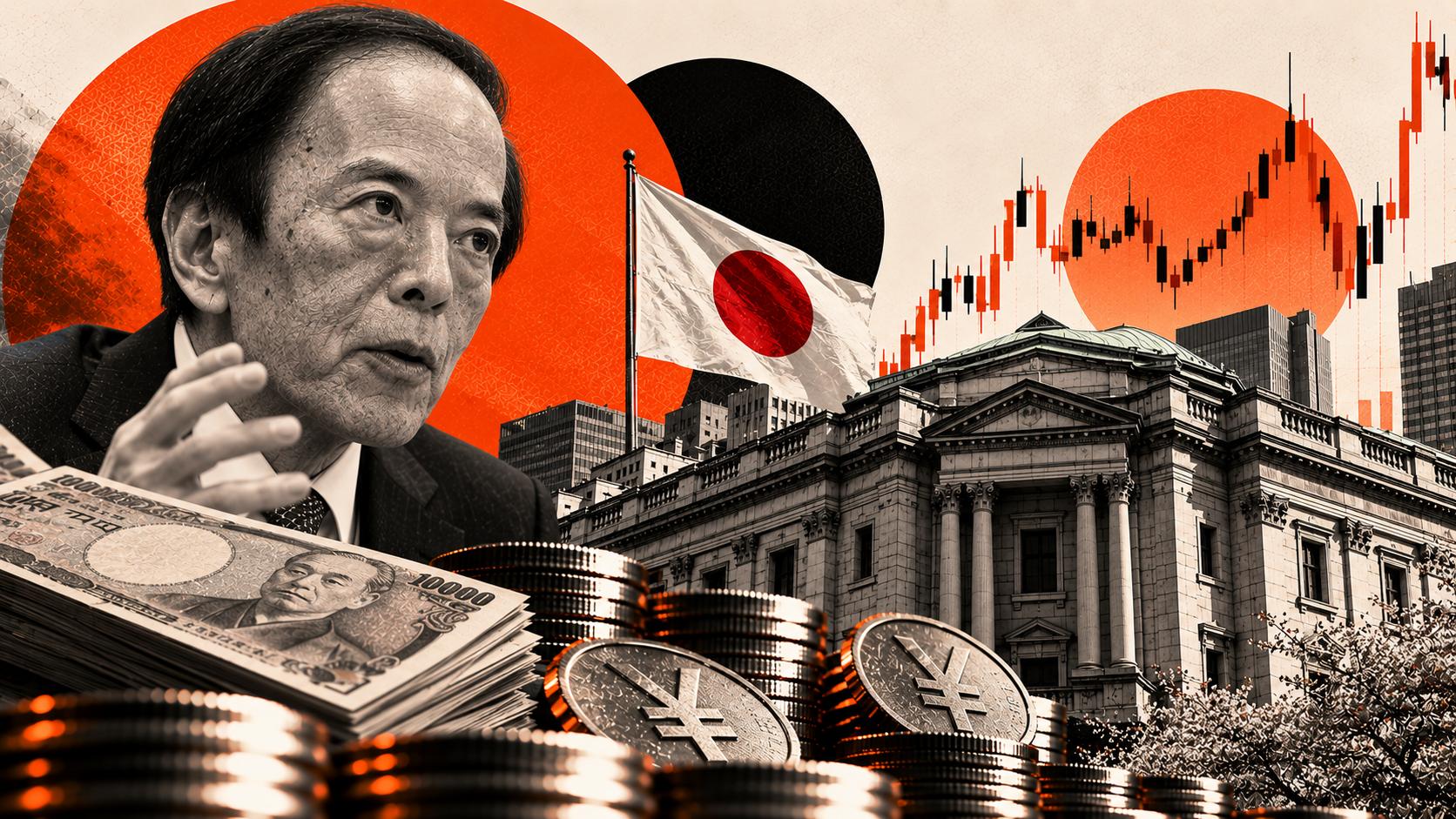
The market is pricing a BoJ pause. Here's why Ueda's 'keep raising rates' could force a sharp Yen repricing

Traders betting on the Bank of Japan's rate through overnight-rate futures give a hike on October 30 about a one-in-four chance, so the market is pricing a pause. BoJ Governor Kazuo Ueda told a meeting of securities firms on Tuesday that the BoJ will keep raising rates, and that promise could force a Yen repricing if the report the BoJ publishes after its October 29-30 meeting signals a faster pace.

Eurozone inflation just hit 3.8%, its highest in three years. This chart shows why the ECB can’t simply hike its way out

The ECB would normally have a relatively straightforward answer to inflation running almost twice its target: raise interest rates. But these are not normal circumstances. This time, the bond market is already doing part of the tightening for it, leaving the ECB facing an increasingly difficult dilemma.