Breaking: Gold weakens below $4,200, lowest since August 5
- Gold meets with a fresh supply on Monday and seems vulnerable amid a bearish fundamental backdrop.
- Hawkish Fed bets and oil-driven inflation fears keep US bond yields elevated, undermining the bullion.
- Geopolitical risks lend some support to the safe-haven USD, further exerting pressure on the commodity.

Gold (XAU/USD) attracts fresh sellers at the start of a new week and weakens below the $4,200 mark, hitting its lowest level since August 5 during the Asian session amid a bearish fundamental backdrop. Against the backdrop of the US Federal Reserve's (Fed) hawkish signals earlier this month, bets for another rate hike in October keep US bond yields elevated near multi-year highs. Adding to this, geopolitical uncertainties act as a tailwind for the US Dollar (USD) and contribute to driving flows away from the commodity.
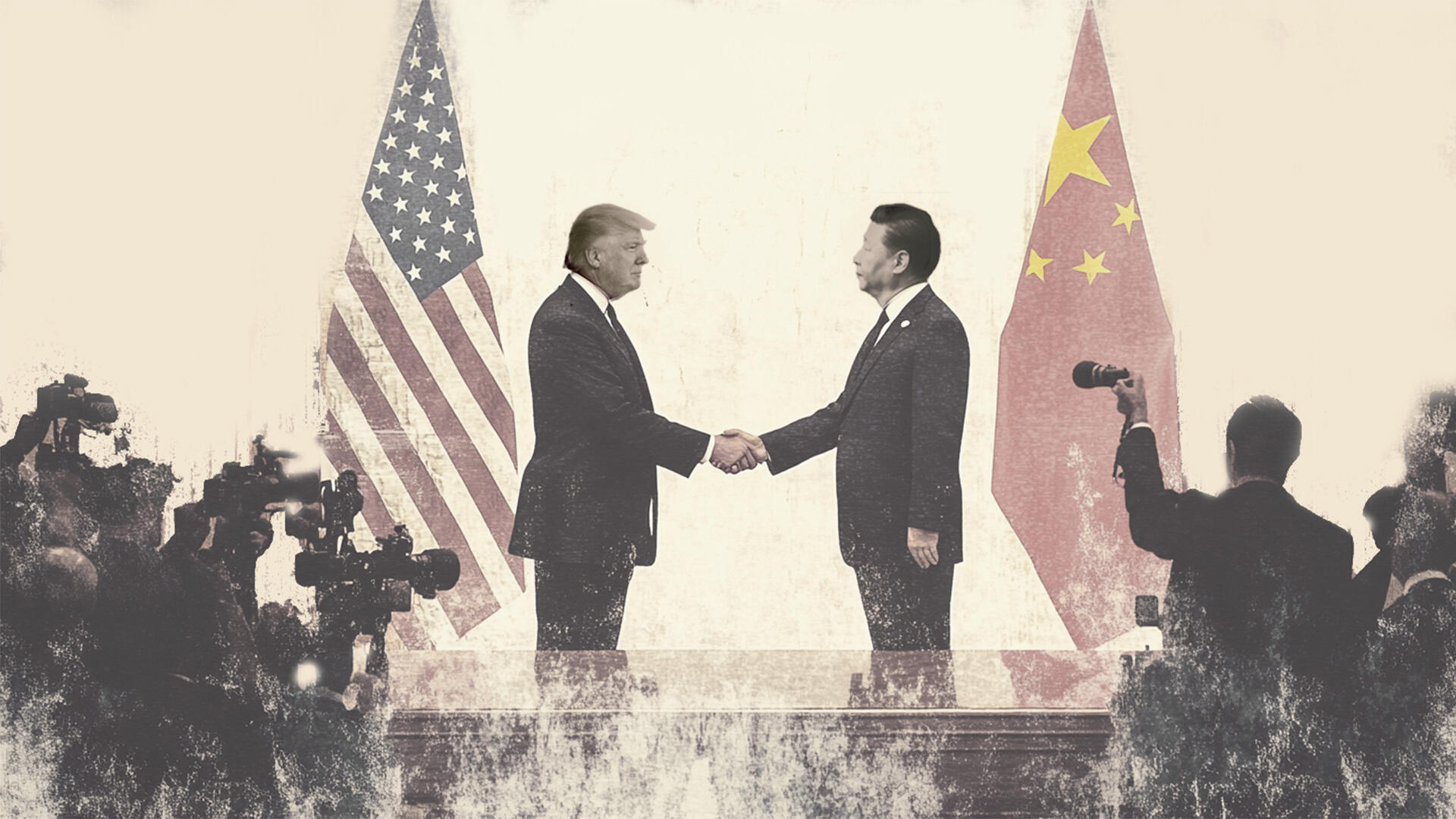
In the latest developments surrounding the Middle East crisis, US President Donald Trump on Saturday rejected an Iranian proposal to reopen the Strait of Hormuz within a week and resume nuclear talks in return for the lifting of the US naval blockade of Iranian ports. Trump added on Sunday that additional military strikes on Iran were possible before the midterm elections in the US. Adding to this, the Houthis in Yemen and Iran continued their attacks on Saudi Arabia, prompting traders to again price in the geopolitical risk premium. This, in turn, lends support to crude oil prices, underpinning prospects for further Fed tightening and undermining the non-yielding Gold.
Fed FAQs
Monetary policy in the US is shaped by the Federal Reserve (Fed). The Fed has two mandates: to achieve price stability and foster full employment. Its primary tool to achieve these goals is by adjusting interest rates. When prices are rising too quickly and inflation is above the Fed’s 2% target, it raises interest rates, increasing borrowing costs throughout the economy. This results in a stronger US Dollar (USD) as it makes the US a more attractive place for international investors to park their money. When inflation falls below 2% or the Unemployment Rate is too high, the Fed may lower interest rates to encourage borrowing, which weighs on the Greenback.
The Federal Reserve (Fed) holds eight policy meetings a year, where the Federal Open Market Committee (FOMC) assesses economic conditions and makes monetary policy decisions. The FOMC is attended by twelve Fed officials – the seven members of the Board of Governors, the president of the Federal Reserve Bank of New York, and four of the remaining eleven regional Reserve Bank presidents, who serve one-year terms on a rotating basis.
In extreme situations, the Federal Reserve may resort to a policy named Quantitative Easing (QE). QE is the process by which the Fed substantially increases the flow of credit in a stuck financial system. It is a non-standard policy measure used during crises or when inflation is extremely low. It was the Fed’s weapon of choice during the Great Financial Crisis in 2008. It involves the Fed printing more Dollars and using them to buy high grade bonds from financial institutions. QE usually weakens the US Dollar.
Quantitative tightening (QT) is the reverse process of QE, whereby the Federal Reserve stops buying bonds from financial institutions and does not reinvest the principal from the bonds it holds maturing, to purchase new bonds. It is usually positive for the value of the US Dollar.
Author

FXStreet Team
FXStreet
Composed of a group of economic journalists and FX experts, the FXStreet content team produces and oversees all content published on FXStreet. It provides a purely journalistic approach to the Forex market.