BoJ’s Sato: De-escalation of Middle East conflict is welcome move, uncertainty remains
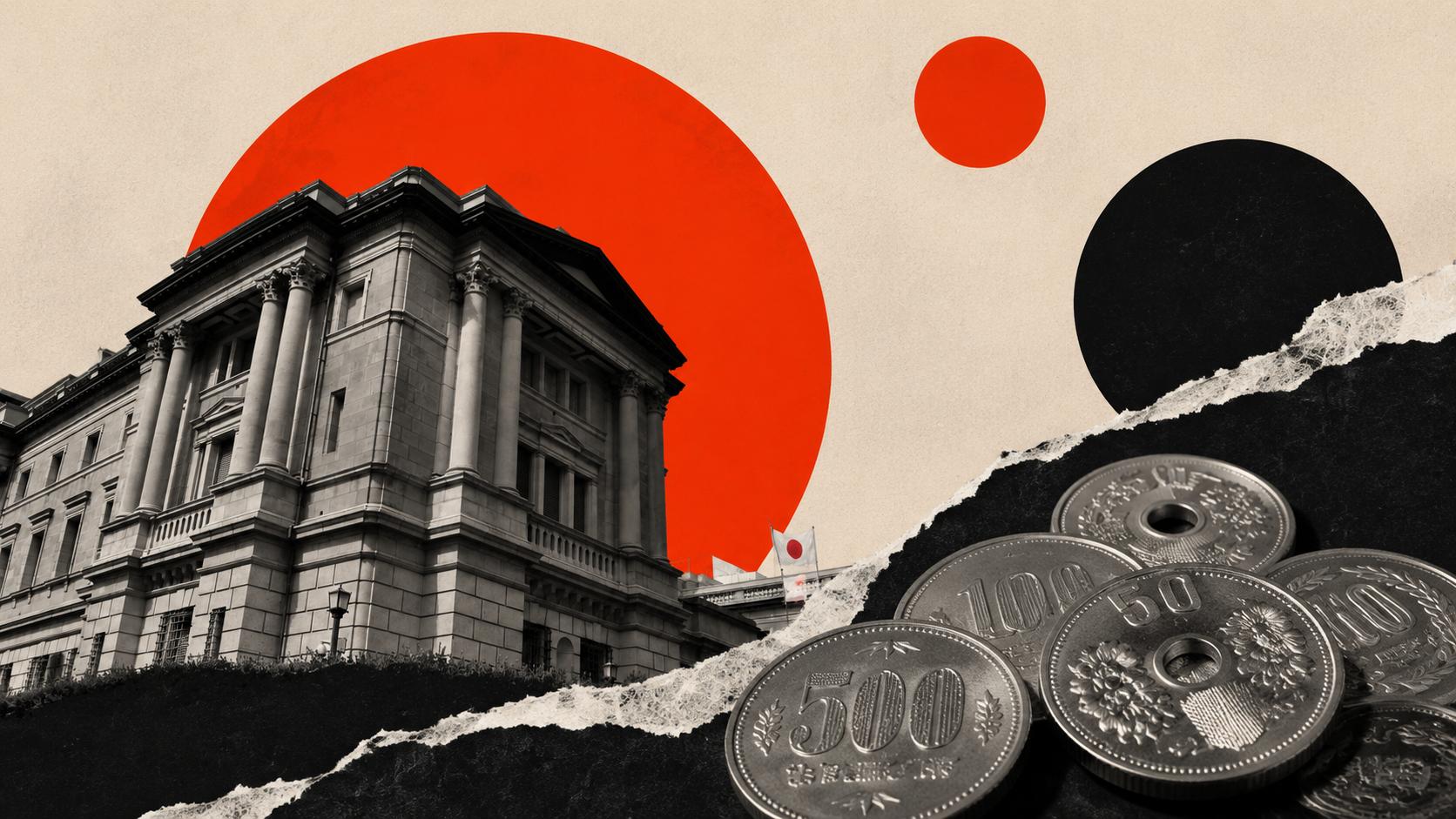
Japanese Prime Minister (PM) Sanae Takaichi's administration newly appointed Bank of Japan (BoJ) board member, Ayano Sato, said in his scheduled press conference during the European trading session on Tuesday that the de-escalation of the Middle East conflict is welcome news for the economy, but uncertainty surrounding the economic outlook remains intact.
Additional remarks
Will scrutinise impact of middle east developments on Japan's economy, prices.
Firms more actively raising wages, prices so impact of weak Yen on inflation may be bigger than in past.
Weak yen gives boost to exports but pushes up import prices, leading to lower real household income.
Important for fiscal, monetary policies to each play their roles.
Monetary policy should focus on inflation, while fiscal policy should focus on addressing impact on households, firms.
Won't comment on specific FX levels.
Short-term, volatile FX moves undesirable.
FX moves should be determined reflecting fundamentals.
Need to watch both downside risks to growth and upside risks to inflation,
Important to scrutinise whether recent inflation is temporary, cost-driven price rises or more sustained, demand-driven inflation.
Market reaction
No immediate reaction is seen in the Japanese Yen (JPY) after the introductory speech by BoJ's Sato. At press time, USD/JPY trades 0.22% higher to near 162.30.
Bank of Japan FAQs
The Bank of Japan (BoJ) is the Japanese central bank, which sets monetary policy in the country. Its mandate is to issue banknotes and carry out currency and monetary control to ensure price stability, which means an inflation target of around 2%.
The Bank of Japan embarked in an ultra-loose monetary policy in 2013 in order to stimulate the economy and fuel inflation amid a low-inflationary environment. The bank’s policy is based on Quantitative and Qualitative Easing (QQE), or printing notes to buy assets such as government or corporate bonds to provide liquidity. In 2016, the bank doubled down on its strategy and further loosened policy by first introducing negative interest rates and then directly controlling the yield of its 10-year government bonds. In March 2024, the BoJ lifted interest rates, effectively retreating from the ultra-loose monetary policy stance.
The Bank’s massive stimulus caused the Yen to depreciate against its main currency peers. This process exacerbated in 2022 and 2023 due to an increasing policy divergence between the Bank of Japan and other main central banks, which opted to increase interest rates sharply to fight decades-high levels of inflation. The BoJ’s policy led to a widening differential with other currencies, dragging down the value of the Yen. This trend partly reversed in 2024, when the BoJ decided to abandon its ultra-loose policy stance.
A weaker Yen and the spike in global energy prices led to an increase in Japanese inflation, which exceeded the BoJ’s 2% target. The prospect of rising salaries in the country – a key element fuelling inflation – also contributed to the move.
Author

Sagar Dua
FXStreet
Sagar Dua is associated with the financial markets from his college days. Along with pursuing post-graduation in Commerce in 2014, he started his markets training with chart analysis.
















