BoC's Macklem: Increasing vaccination rates are enabling continued progress in the economic recovery
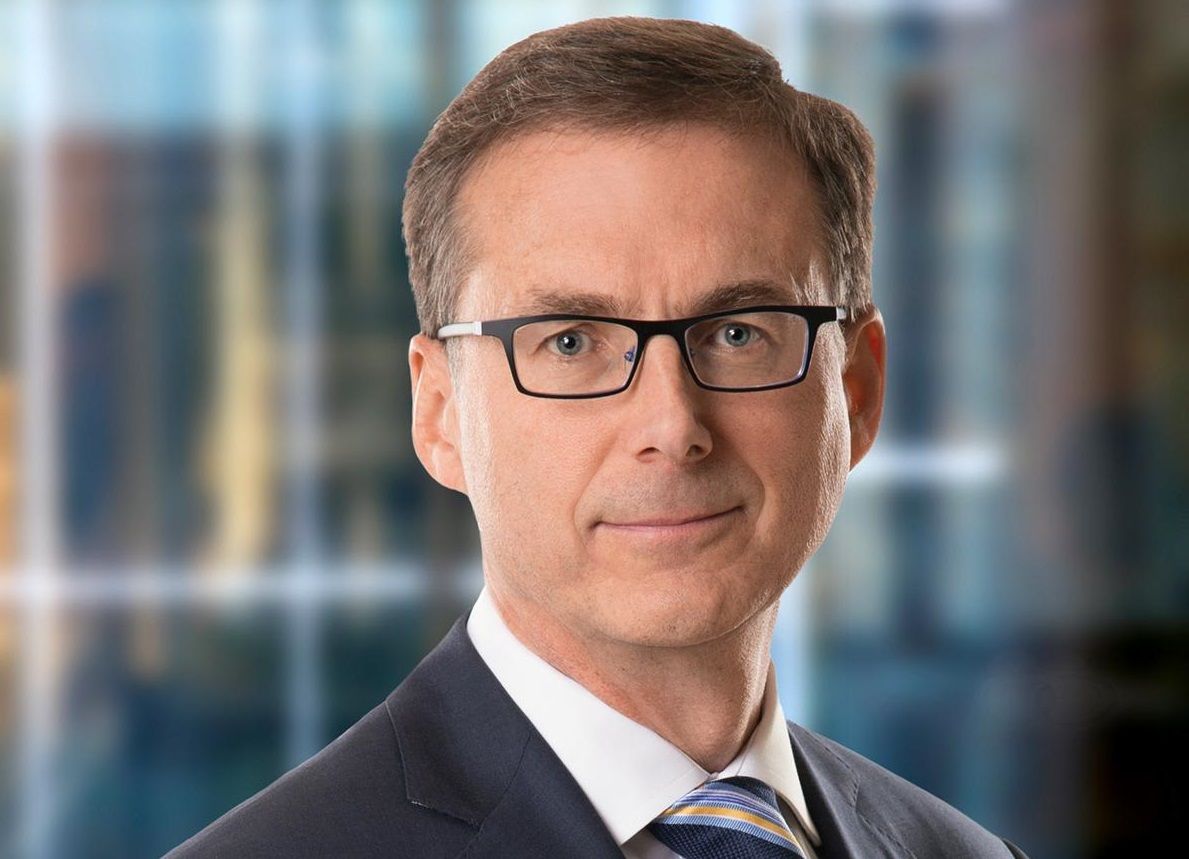
Bank of Canada (BoC) Governor Tiff Macklem said on Wednesday that despite today’s decisions, significant stimulus injected through QE remains in place. “The end of QE comes as increasing vaccination rates are enabling continued progress in the economic recovery in Canada and around the world”, said the BoC in the opening statement.
Earlier in the day, the BoC left its policy rate unchanged at 0.25% as expected. Additionally, the bank announced that it will end net purchases of government bonds, ending QE and going into the “reinvesting phase”. The central bank will purchase bond only to replace those that are maturing so the overall holdings remain roughly stable over time.
Additional takeaways:
“With the economy once again growing robustly, Governing Council judged that QE is no longer needed. This means we will stop growing our holdings of Government of Canada bonds. It is important, however, to remind Canadians that the significant stimulus we have injected through QE remains in place. We just won’t be adding to it. We call this the reinvestment phase. In this phase, we will purchase bonds only to replace those that are maturing so that our overall holdings of Government of Canada bonds remain roughly stable over time.”
“The end of QE comes as increasing vaccination rates are enabling continued progress in the economic recovery in Canada and around the world.”
“We’ve seen strong job growth in recent months. Many sectors that were hardest hit by lockdowns earlier in the pandemic rebounded strongly as Canadians resumed more normal activities. Strong job growth has reduced the very uneven impacts of the pandemic, particularly for youth and women.”
“In view of the continued excess capacity in the economy, my fellow Governing Council members and I judged that the economy still needs considerable monetary policy support. While we ended QE, we kept our policy interest rate at its lowest level, and reaffirmed our commitment to keep it there until slack in the economy is absorbed so that the 2 percent inflation target is sustainably achieved. Based on our current projection, this happens sometime in the middle quarters of 2022.”
“How long the reinvestment phase lasts is a future monetary policy decision. It will depend on the strength of the recovery and the evolution of inflation. But as I indicated in September, it is reasonable to expect that we will be there for a period of time, at least until we raise our policy interest rate.”
Author

Matías Salord
FXStreet
Matías started in financial markets in 2008, after graduating in Economics. He was trained in chart analysis and then became an educator. He also studied Journalism. He started writing analyses for specialized websites before joining FXStreet.

















