|

AUD: RBA keeps May hike option open on Iran risk – Commerzbank
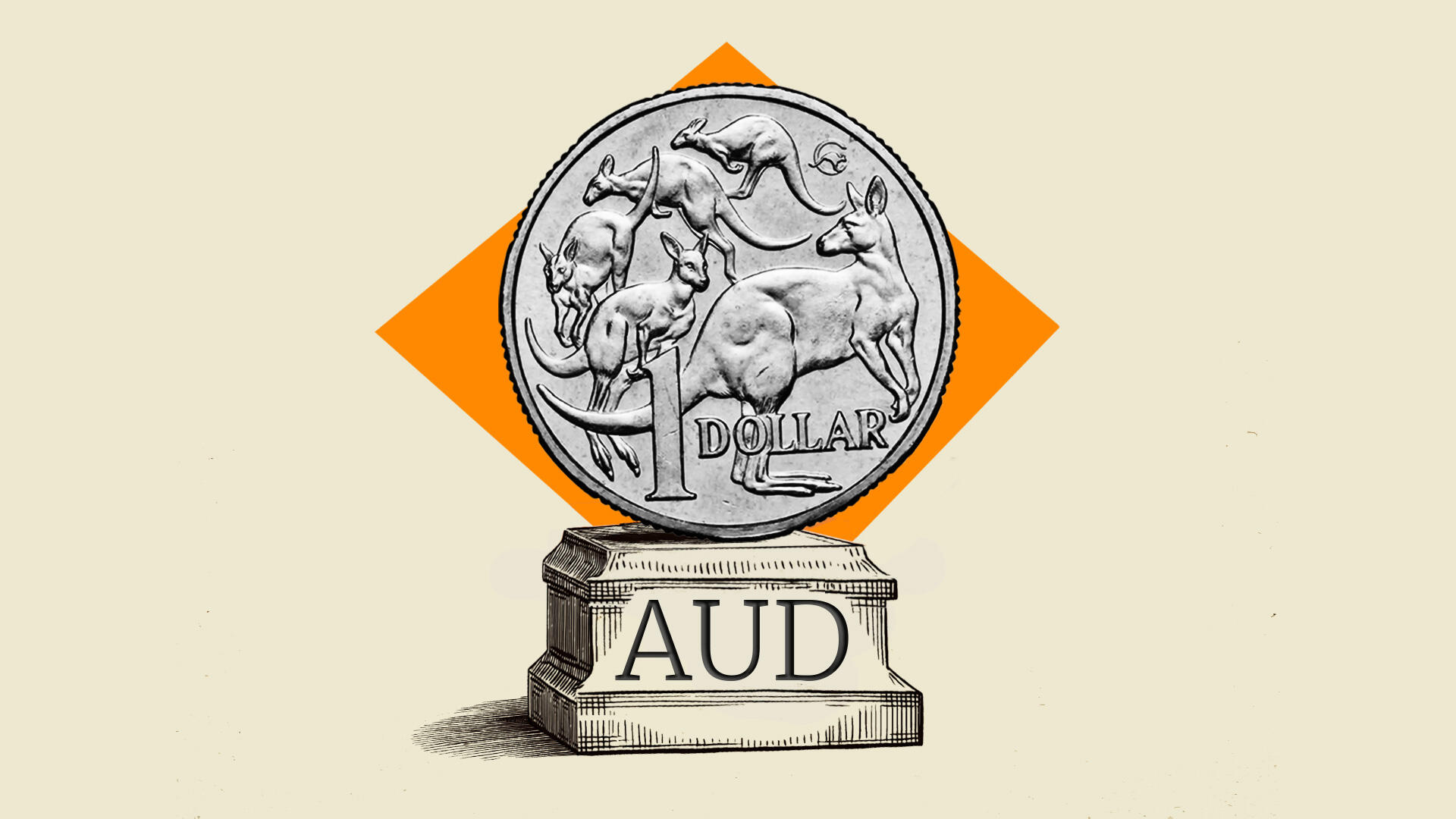
Commerzbank’s Volkmar Baur highlights that RBA minutes show March’s back‑to‑back rate hike was a closer call than markets assumed. Board members agreed more tightening is needed but differed on timing, with the March move mainly aimed at preserving flexibility. Another hike in May is described as an option, increasingly likely if the Iran conflict persists and inflationary effects intensify.

RBA signals conditional May tightening risk

"The minutes of the Reserve Bank of Australia’s latest monetary policy meeting, released today, show that the decision to raise interest rates for a second consecutive time was actually somewhat closer than it might have seemed in the aftermath of the meeting. Understandably, the conflict with Iran is causing a great deal of uncertainty, as it is impossible to say with certainty how it will end, when it will end, or what the exact economic consequences will be."

"The minutes therefore show once again that while RBA members agreed that interest rates should be raised again in the near future, there was disagreement over whether this should happen as early as March or only at a later date."

"In this light, the decision should be interpreted as meaning that raising the key interest rate in March simply gave the RBA the flexibility to raise rates again in May, should the conflict persist until then and the inflationary effects become clearer."

"May is therefore an option, but not yet a foregone conclusion. However, the decision in May is likely to depend more on the Iran conflict and its repercussions than on “normal” economic developments."

"In this case, a prolonged conflict makes another rate hike is more likely than not."

(This article was created with the help of an Artificial Intelligence tool and reviewed by an editor.)

Author

FXStreet Insights Team

The FXStreet Insights Team is a group of journalists that handpicks selected market observations published by renowned experts. The content includes notes by commercial as well as additional insights by internal and external analysts.


More from FXStreet Insights Team
Share:

Editor's Picks

GBP/USD stays positive near 1.3450 after UK jobs data

GBP/USD recovers ground and tests 1.3450 in early Europe on Tuesday. The UK ILO Unemployment Rate remained at 4.9% in the three months to May, compared with expectations of 5%, but fails to provide any impetus to the British Pound's renewed uptick. Traders stay cautious amid US-Iran uncertainty and the UK political transition.

EUR/USD steadies above 1.1400, awaits German ZEW Survey

EUR/USD is consolidating above the 1.1400 mark in European trading on Tuesday. The pair lacks any directional impetus amid a subdued US Dollar price action and ahead of the German ZEW Survey.


Gold: Acceptance above 21-day SMA at $4,065 is critical for buyers

Gold is building on its recovery from two-week lows of $4,024 reached last Friday, extending the winning streak into a third straight day on Tuesday. XAU/USD is capitalizing on the ongoing pullback in Oil prices from monthly highs near $84.50. The black gold is retreating for a second day in a row on emerging signs of diplomatic efforts to ease the US-Iran conflict.

Shiba Inu price extends gains as on-chain and derivatives metrics confirm bullish bias

Shiba Inu extends gains, trading above $0.0000042 after breaking above the descending trendline the previous day. Strengthening on-chain data and improving derivatives metrics support further gains for the meme coin. CryptoQuant’s exchange netflow chart below shows five consecutive days of net outflows since July 17.

Brent nears a critical crossroads as the global economy faces one too
Markets spent last Friday digesting a Reuters report that Iran has told the Houthis to stand ready to close Bab el-Mandeb if the US strikes Iranian power infrastructure — missiles and drones are reportedly already positioned near the strait, awaiting the order from IRGC officers in Yemen.
US Dollar mid-year outlook: Exceptional currency, exceptional risks?
The US Dollar enters the second half of 2026 in a markedly different position from a year ago. The King currency has recovered, reflecting persistent US inflation, changing expectations for Fed policy, geopolitical tensions and renewed demand for defensive assets.















